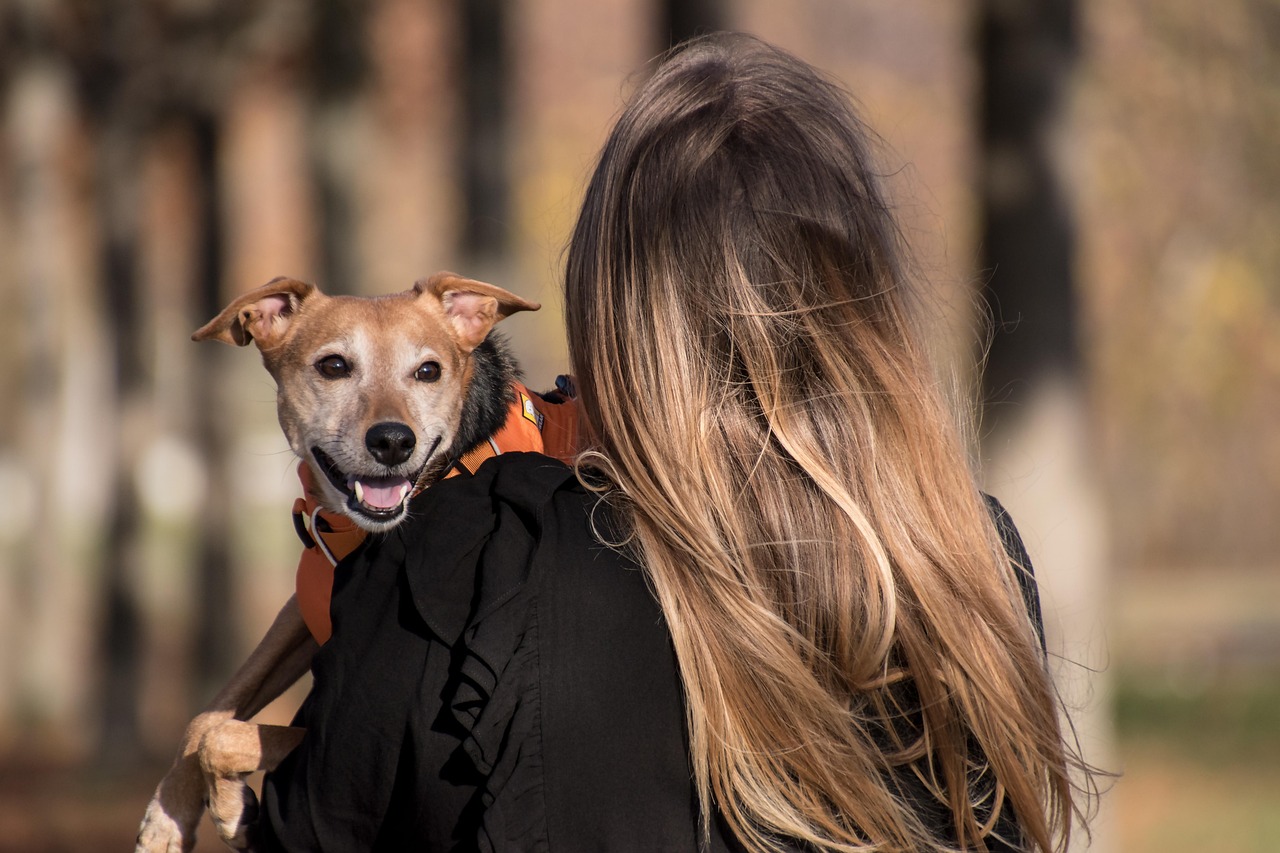
Your dog's excitement at the mention of "car ride" is adorable, but watching them slide across the backseat during every turn or seeing them pant anxiously throughout the journey breaks your heart. Car travel doesn't have to be stressful or dangerous for your furry companion. With the right safety equipment—from crash-tested harnesses to elevated booster seats—you can transform every drive into a secure, comfortable experience for your beloved pup.
Quick Verdict
Best for Small Dogs: Car seat boosters provide elevation and security for pups under 25 lbs. Best for Medium/Large Dogs: Crash-tested harnesses that clip into seatbelt systems offer maximum protection. Best for Multi-Pet Households: Adjustable seat belt tethers work for both dogs and cats. Best for Anxious Travelers: Combine safety restraints with a ThunderShirt for calming compression.
Why Car Safety for Dogs Is Non-Negotiable
Every year, thousands of dogs are injured in car accidents—injuries that could have been prevented with proper restraint systems. But safety isn't the only concern. An unrestrained dog in a moving vehicle poses significant risks to everyone in the car. A 60-pound dog in a 35 mph collision becomes a 2,700-pound projectile. Even a sudden stop can send your pet flying into the dashboard, windshield, or other passengers.
Beyond crash protection, proper restraints prevent distracted driving. Dogs who can roam freely often end up in the driver's lap, block the rearview mirror, or startle drivers with sudden movements. In some states, driving with an unrestrained pet can even result in traffic citations and fines.
Perhaps equally important is the impact on your dog's mental state. Many dogs experience significant anxiety during car travel, made worse by the unpredictable movement and lack of secure positioning. A properly fitted harness or car seat provides the stability and security that can dramatically reduce travel anxiety, turning stressful trips into calm adventures.
Understanding Different Types of Dog Car Safety Products
The pet car safety market has evolved dramatically, offering solutions for every size dog and every type of vehicle. Understanding the differences between these products will help you choose the best option for your specific situation.
Car Seat Boosters
Designed primarily for small to medium dogs under 25-30 pounds, car seat boosters elevate your pet so they can see out the window while keeping them securely contained. Most attach to the headrest or clip into the seatbelt system, preventing the seat from sliding or tipping. The elevation helps dogs who get motion sickness by giving them a view of the horizon, and the enclosed design prevents them from jumping into the front seat or onto the floor.
Car Harnesses and Restraint Systems
For medium to large dogs, or for pet parents who prioritize crash-test certification, car harnesses are the gold standard in canine travel safety. These harnesses work by distributing crash forces across the dog's chest and shoulders—similar to how human seatbelts protect us—rather than focusing pressure on the neck or spine.
Quality car harnesses connect to your vehicle's seatbelt system through a tether or clip, allowing some movement while preventing the dog from becoming a projectile in an accident. The best options have been crash-tested by independent organizations and carry safety certifications.
Seat Belt Tethers
For pet parents who want flexibility across multiple pets and vehicle types, adjustable seat belt tethers offer a simple but effective solution. These tethers clip to your dog's existing harness on one end and connect to the seatbelt buckle on the other, keeping your pet contained to one seat while allowing enough movement to sit, stand, or lie down comfortably.
How to Choose the Right Safety Equipment
Selecting the best car safety equipment for your dog requires consideration of several factors. What works perfectly for one dog might be entirely wrong for another.
Size and Weight Considerations
Your dog's size is the most critical factor in choosing safety equipment. Small dogs under 20-25 pounds often do best in car seat boosters, which give them elevation, visibility, and cozy containment. Medium dogs between 25-60 pounds typically need a properly fitted car harness or a combination seat-and-harness system. Large and giant breeds over 60 pounds require robust harnesses specifically designed and tested for their weight class—these dogs generate tremendous force in a collision, so equipment strength is paramount.
Vehicle Type and Seating
Consider where your dog will ride. Backseat positions are safest, but some car seat boosters can be adapted for front seats if backseat placement isn't possible. SUVs and hatchbacks with cargo areas may need barrier systems instead of or in addition to restraints. Trucks with rear jump seats have limited space that may not accommodate larger booster seats.
Your Dog's Temperament
A dog who loves to look out the window will appreciate a booster seat's elevation. A dog who prefers to curl up and sleep during rides might do better with a harness that allows them to lie down in their favorite position. Dogs with severe car anxiety may benefit from combining physical restraints with calming products.
Ease of Use
Consider how often you'll be installing and removing the equipment. Daily commuters need quick-connect systems, while once-a-week travelers can tolerate more complex setups. Think about who else might drive your dog—equipment should be intuitive enough for dog-sitters or family members to use correctly.
Managing Travel Anxiety Alongside Safety
For many dogs, car travel triggers significant anxiety. The combination of motion, unfamiliar sounds, and inability to predict what comes next can overwhelm even normally calm pets. Fortunately, proper safety equipment and anxiety management go hand-in-hand.
How Secure Positioning Reduces Anxiety
Dogs feel most anxious when they have no control over their environment. Being tossed around during turns and stops amplifies this sense of helplessness. A well-fitted harness or car seat gives your dog a stable position—they know where they are and can predict how their body will move. This predictability alone can significantly reduce travel stress.
Combining Safety Equipment with Calming Products
Pheromone sprays applied to bedding in car seats, calming treats given 30 minutes before travel, and playing soothing music all complement physical restraints. The goal is addressing anxiety from multiple angles—physical security, sensory comfort, and neurological calm—for maximum effect.
Desensitization and Training
Safety equipment works best when dogs are properly acclimated to wearing it. Never just strap your dog in and hit the highway. Instead, follow a gradual introduction process. Let your dog sniff and investigate the harness or car seat at home, rewarding curiosity with treats. Have them wear the harness around the house for short periods. Practice sitting in the parked car with the equipment on, engine off. Progress to short drives around the block, then gradually extend trip duration as your dog shows comfort.
Installation and Proper Fit Guidelines
Even the best safety equipment fails to protect if improperly installed or fitted. Take time to get these details right.
Harness Fitting
A car harness should fit snugly around your dog's chest without restricting breathing or movement. You should be able to slip two fingers under the straps, but no more. Check that the chest plate sits centered on the breastbone and doesn't shift when your dog moves. Straps should lie flat without twisting. Most importantly, the back attachment point—where the seatbelt tether connects—should sit between the shoulder blades, not on the neck.
Car Seat Installation
Car seat boosters must be anchored to prevent tipping or sliding. Most use straps that loop around the headrest, with additional stability from the seatbelt threaded through a back channel. Test stability by pushing firmly on all sides—any significant movement means you need to adjust the anchor points. The seat should also include an internal tether that clips to your dog's harness, preventing them from jumping out.
Tether Length
When using seat belt tethers, length matters. Too long, and your dog can still become a projectile or reach the front seats. Too short, and they can't comfortably sit, stand, or lie down. Aim for a length that allows your dog to turn around and change positions while keeping them contained to a single seat area.
Special Considerations for Different Situations
Different travel scenarios may require adjustments to your safety approach.
Long Road Trips
Extended travel requires equipment that remains comfortable for hours. Look for harnesses with extra padding and breathable materials. Plan regular stops—every 2-3 hours—for bathroom breaks, water, and brief walks. Some car seats include water bottle holders and treat pouches for convenience. Consider a car seat cover to protect your upholstery from accidents that might occur when bathroom stops are delayed.
Hot Weather Travel
Dogs in car seats and harnesses can't move to cooler spots. Ensure your vehicle's air conditioning reaches the backseat, and consider sun shades on rear windows. Choose equipment with mesh panels for airflow. Never leave dogs in parked cars during warm weather, regardless of restraint type.
Multi-Dog Households
Traveling with multiple dogs requires planning. Each dog needs individual restraint—shared tethers or seats compromise safety and can lead to fights. For households with both dogs and cats, versatile products like adjustable seat belt tethers that work across species simplify equipment needs. Consider cargo barriers to separate the dog area from passengers in SUVs and hatchbacks.
Puppies and Growing Dogs
Puppies outgrow equipment quickly. Look for harnesses with wide adjustment ranges, or budget for multiple sizes during the first year. Some manufacturers offer exchange programs for growing dogs. While puppies may seem too small to be dangerous in a crash, their developing bones and muscles are actually more vulnerable to injury—starting restraint training early protects them and builds good travel habits.
What to Look For When Shopping
Not all pet car safety products are created equal. Here's how to identify quality options.
Crash Testing
The Center for Pet Safety (CPS) is an independent nonprofit that crash-tests pet restraints using the same standards applied to children's car seats. Products that pass CPS testing have demonstrated their ability to keep pets contained during impacts. While crash-tested products often cost more, the peace of mind is worth the investment for safety-conscious pet parents.
Material Quality
Look for reinforced stitching at stress points, heavy-duty metal hardware, and tear-resistant fabrics. Thin webbing, plastic buckles, and lightweight construction may fail under crash forces. Padding should be dense enough to absorb impact, not just thin foam that compresses immediately.
Reviews and Testimonials
Pay attention to reviews from pet parents with dogs similar in size and temperament to yours. Look for mentions of durability over time, ease of adjustment, and how well dogs tolerate wearing the equipment during long trips. Photos in reviews can help you gauge actual size and fit.
Return Policies and Warranties
Even careful measurement doesn't guarantee perfect fit. Choose products from retailers with generous return policies, and look for manufacturer warranties that cover construction defects. Quality brands stand behind their products.
Creating a Complete Travel Safety Kit
Beyond the core restraint equipment, assemble a travel safety kit that addresses all aspects of your dog's car journey needs.
Essential Items
Include a collapsible water bowl and fresh water, waste bags for rest stops, a first aid kit designed for pets, copies of vaccination records and your vet's contact information, recent photos of your dog in case of separation, and a spare leash. For longer trips, pack familiar bedding or a comfort item from home.
Emergency Preparedness
Keep your dog's harness or car seat attachment points accessible—rescue personnel may need to quickly remove them from the vehicle. Include a window breaker tool in your emergency kit. Know the locations of emergency veterinary hospitals along your regular routes. Consider microchipping if you haven't already, and ensure registration is current.
Frequently Asked Questions
Can I use a regular walking harness for car travel?
Regular walking harnesses are not designed to withstand crash forces and may fail in an accident. They also typically have back attachment points positioned incorrectly for car use. While a tether attached to a walking harness is better than no restraint at all, purpose-built car harnesses offer significantly more protection.
Is the front seat ever safe for dogs?
The backseat is always safest for dogs. If you must use the front seat, disable the airbag, move the seat as far back as possible, and use a secure restraint system. Active airbags can seriously injure or kill dogs in frontal collisions.
How do I know if my dog's car harness still fits correctly?
Check fit regularly—at least monthly and after any weight changes. The two-finger rule applies: you should be able to slip two fingers under any strap, but not more. Watch for signs of discomfort, rubbing, or your dog trying to escape the harness, which may indicate poor fit.
My dog gets motion sick. Will a car seat help?
Yes, often significantly. Motion sickness in dogs is partly caused by the disconnect between what they see and what they feel. Booster seats that elevate small dogs to window height help them see the horizon and better anticipate vehicle movement, reducing nausea for many dogs.
Are crates safer than harnesses for car travel?
Crash-tested crates can provide excellent protection when properly secured. However, they must be anchored to prevent becoming projectiles, and they take up significantly more space than harnesses. For most situations, a quality crash-tested harness offers comparable protection with more convenience.
How can I get my anxious dog used to car travel equipment?
Start slowly. Let your dog investigate the equipment in a calm environment, rewarding any interaction with treats. Practice wearing the harness at home before introducing the car. Begin with very short, positive car experiences—just sitting in the parked car with the engine off. Gradually build to short drives with lots of rewards. Consider calming products like ThunderShirts or pheromone sprays to ease the transition.
Final Thoughts on Canine Car Travel Safety
Investing in proper car safety equipment for your dog isn't just about following rules or avoiding fines—it's about protecting a beloved family member who trusts you to keep them safe. The right car seat booster, harness, or restraint system transforms every drive from a potential hazard into a secure, comfortable experience for your pet.
Remember that safety and comfort aren't competing goals. Dogs who feel secure in their car equipment often experience less anxiety and enjoy travel more. By combining quality restraints with gradual training and calming support as needed, you can create positive car experiences that last a lifetime.
Whether you're heading to the vet clinic across town, embarking on a cross-country road trip, or just running daily errands with your copilot, proper car safety equipment gives you peace of mind and gives your dog the secure, stable positioning they need to travel happily by your side.
Ready to Make Car Travel Safer?
Explore our top-rated recommendations for car travel safety equipment and find the perfect solution for your dog's size, temperament, and travel needs.