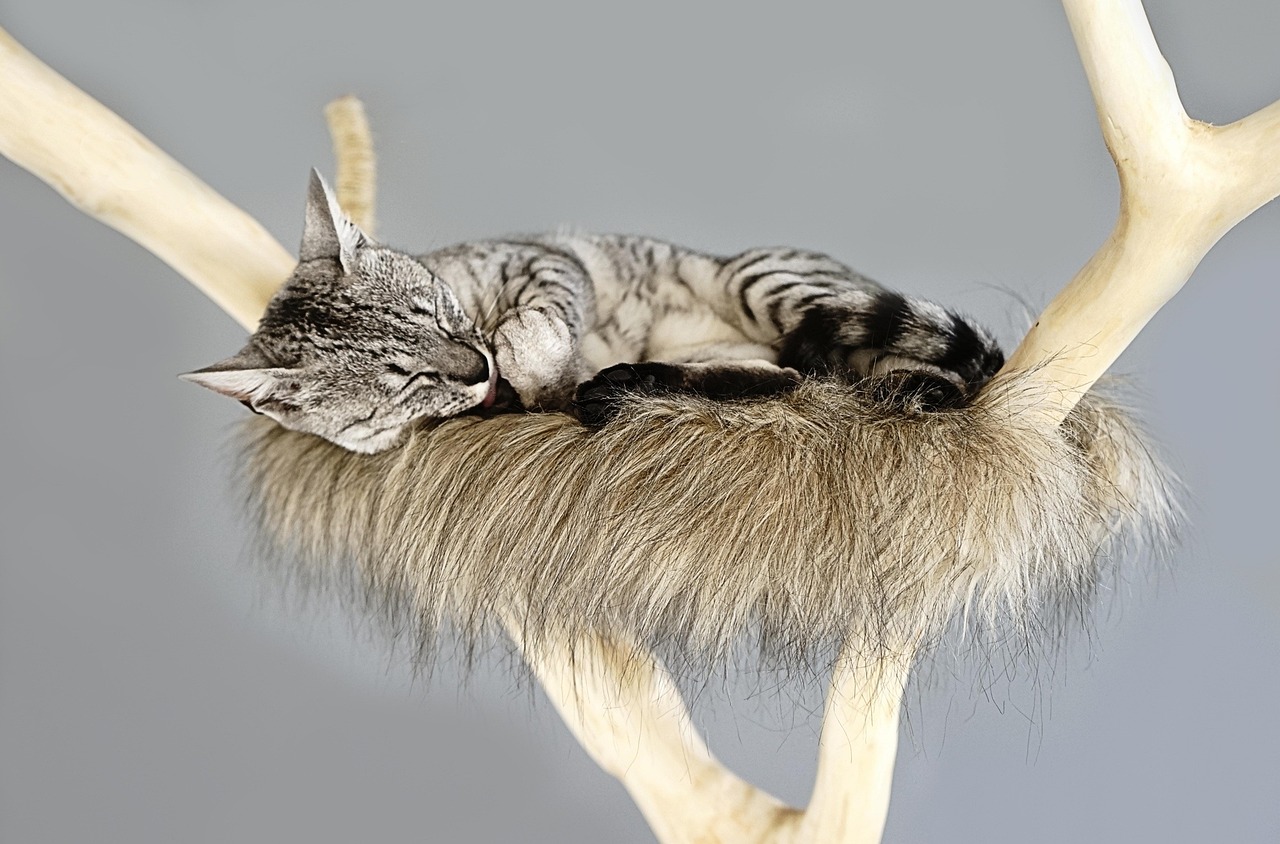
Create the ultimate indoor environment where your cat can climb, scratch, perch, and play to their heart's content.
Quick Verdict
Best for Furniture Protection: Panther Armor Furniture Scratch Protector for invisible barrier protection. Best for Shy Cats: Cat cave beds with enclosed designs. Best for Anxious Cats: Feliway Pheromone Diffuser to reduce stress during transitions. Best for Adventure Cats: Rabbitgoo cat harness and leash for outdoor exploration.
For those of us who've shared our homes with cats for decades, we know these aren't just pets who happen to live with us—they're small predators with instinctual needs that domestic life doesn't automatically satisfy. Wild cats spend their days climbing, hunting, scratching territorial markers, and surveying their domain from elevated positions. Indoor cats have these same drives, and when we don't provide appropriate outlets, they find less desirable ones: shredded curtains, scratched sofas, and "zoomies" at 3 AM.
As senior pet owners, we've seen our fair share of furniture casualties over the years! The good news is that today's cat furniture has evolved significantly, with options designed for stability, ease of assembly, and minimal maintenance—important considerations for those of us who may not want to wrestle with complicated installation. The solution? Thoughtfully designed cat furniture that channels those natural behaviors into acceptable, even enjoyable, activities for everyone involved—including senior cats who may have their own mobility considerations.
Understanding Your Cat's Furniture Needs
Before investing in cat furniture, understanding why cats do what they do helps you choose pieces they'll actually use.
Why Cats Need to Climb
In nature, height means safety. Cats climb to escape predators, survey for prey, and find secure resting spots. Your domestic cat retains these instincts completely. That's why cats love refrigerator tops, high bookshelves, and tall cat trees.
Benefits of climbing opportunities:
- Satisfies natural instincts
- Provides exercise and mental stimulation
- Creates feelings of security
- Offers escape routes from dogs, children, or other pets
- Increases usable living space vertically
The Scratching Imperative
Scratching isn't bad behavior—it's essential cat behavior serving multiple purposes:
Claw maintenance: Scratching removes dead outer claw sheaths, keeping claws healthy and sharp.
Stretching: Full-body scratching stretches muscles from paws to shoulders.
Scent marking: Paw pads contain scent glands. Scratching deposits territorial markers.
Stress relief: Scratching releases tension and feels good to cats.
Visual marking: Visible scratch marks signal territory to other cats.
The Need for Observation Perches
Cats spend hours watching birds, squirrels, passing cars, and neighborhood activity. Perches near windows satisfy this need while keeping indoor cats entertained. Without appropriate perches, cats may claim less suitable spots like unstable shelves or precarious furniture edges.
Types of Cat Furniture
Cat furniture encompasses everything from simple scratching posts to elaborate multi-level structures.
Cat Trees and Towers
Cat trees are the cornerstone of feline furniture, combining climbing, scratching, perching, and sometimes hiding in one structure.
Small cat trees (under 40 inches): Suitable for kittens, small spaces, or single cats. Usually include one or two perches and a scratching post.
Medium cat trees (40-60 inches): Versatile options for most homes and cats. Often feature multiple levels, condos, and dangling toys.
Large cat trees (60+ inches): Floor-to-ceiling options for serious climbers. Best for multi-cat households or very active breeds.
Key features to evaluate:
- Stability (heavy bases prevent tipping)
- Post height and diameter
- Platform size relative to your cat
- Sisal versus carpet covering
- Overall footprint
Scratching Posts
Standalone scratching posts come in various designs:
Vertical posts: Traditional upright posts satisfy cats who stretch upward to scratch. Look for posts at least 30 inches tall for adult cats.
Horizontal scratchers: Some cats prefer scratching horizontally. Cardboard scratchers or flat sisal boards satisfy these preferences.
Angled scratchers: Split the difference with scratchers positioned at 45-degree angles.
Window Perches
Window perches attach to windows using suction cups or brackets, creating observation platforms cats love.
Suction-cup mounted: Easy to install and reposition but require smooth window surfaces and regular checking.
Bracket-mounted: More secure, permanent options for frequently used locations.
Heated perches: Battery or USB-powered options provide warmth cats adore during cooler months.
Cat Shelves and Wall Systems
Wall-mounted shelves create vertical climbing and perching spaces without floor footprint.
Individual shelves: Mount at various heights for climbing paths.
Complete systems: Pre-designed arrangements of shelves, bridges, and perches.
Floating designs: Modern aesthetic options that blend with home décor.
Protecting Your Furniture from Scratching
Even with appropriate scratching posts, cats sometimes target inappropriate surfaces. Protection strategies keep both cats and furniture happy.
Scratch Deterrent Products
Why physical barriers work:
- Remove access to preferred surfaces
- Don't harm or scare cats
- Work passively 24/7
- Combine well with positive alternatives
Training Tips for Appropriate Scratching
- Provide alternatives: Place scratching posts near furniture cats target. They'll often switch to the more satisfying option.
- Use attractants: Catnip or silver vine applied to appropriate scratchers encourages use.
- Reward good choices: Treats and praise when cats use proper scratchers reinforce the behavior.
- Make furniture less appealing: Double-sided tape, aluminum foil, or citrus scents on furniture create temporary aversion while cats learn alternatives.
- Never punish: Punishment damages trust without solving the problem. Focus on making right choices easy and appealing.
Choosing the Right Cat Tree
Selecting a cat tree involves matching the product to your cat's preferences and your space constraints.
Consider Your Cat's Personality
Climbers: Active cats who scale everything need tall trees with multiple levels and secure platforms.
Hiders: Shy cats appreciate enclosed condos and cubbies where they feel protected.
Loungers: Laid-back cats want comfortable platforms with plush surfaces for napping.
Scratchers: Heavy scratchers need trees with thick sisal posts and ample scratching surface.
Watchers: Cats who love observing need perches positioned near windows.
Size and Space Considerations
Measure your space: Know exact dimensions before shopping. Consider ceiling height for tall trees.
Door and pathway clearance: Ensure the tree doesn't block traffic flow or door openings.
Window access: If window viewing is a priority, position trees accordingly.
Stability requirements: Larger, heavier bases prevent tipping but require more floor space.
Multi-Cat Household Needs
Households with multiple cats need trees with:
- Multiple platforms at different heights
- Enough personal space for each cat
- Multiple access points to prevent blockading
- Sturdy construction for heavier combined use
Materials and Construction Quality
Not all cat furniture is created equal. Quality differences significantly impact durability and safety.
Scratching Surface Materials
Sisal rope: The gold standard for scratching posts. Natural fiber that cats love, durable and replaceable.
Sisal fabric: Flat sisal material rather than wrapped rope. Some cats prefer this texture.
Carpet: Common but not ideal. Carpet fibers can snag claws and may confuse cats about which carpets are appropriate to scratch.
Cardboard: Budget-friendly and effective, but requires regular replacement.
Wood: Natural appeal and durability, but some cats aren't interested in it.
Platform and Base Materials
Particleboard: Common in budget options. Adequate for light use but can fail under heavy stress.
Plywood: More durable than particleboard. Better for active cats and multi-cat homes.
Solid wood: Premium option with greatest durability and stability.
Faux fur/fleece covering: Comfortable but collects hair and requires cleaning.
Stability Engineering
The most important safety factor in cat trees is stability:
Wide bases: Bases should extend beyond the tree's footprint.
Low center of gravity: Weight concentrated at the bottom prevents tipping.
Wall anchoring options: The best tall trees include straps or brackets for wall attachment.
Creating Vertical Space with Cat Shelves
Wall-mounted cat furniture maximizes vertical space without consuming floor area.
Planning a Cat Wall System
- Map your wall space: Identify areas with enough wall space and ceiling height.
- Consider pathways: Cats need logical routes between perches. Space shelves for comfortable jumping distances (typically 12-18 inches).
- Include variety: Mix platforms, shelves, and bridges for interesting layouts.
- Add scratching surfaces: Include at least one wall-mounted scratching surface.
- Test weight limits: Ensure wall anchors and shelves support your cat's weight with margin.
Installation Tips
Find studs: Whenever possible, anchor into wall studs rather than just drywall.
Use appropriate anchors: Toggle bolts or heavy-duty anchors for drywall-only mounting.
Check weight ratings: Verify shelf weight limits match your cat's size plus a safety margin.
Test before allowing cat access: Apply pressure to each shelf before letting cats explore.
Window Perches for Entertainment
Window perches provide endless entertainment for indoor cats.
Choosing the Right Window Perch
Size matters: Perches should be large enough for your cat to fully stretch out, not just sit.
Weight capacity: Check ratings carefully. Many claim 40-50 lb capacity but may sag with heavy cats.
Mounting type: Suction cups work for renters but require regular checking. Brackets offer more security.
Padding: Comfortable padding encourages extended use.
Placement Considerations
Bird activity: Windows near bird feeders or trees provide the best entertainment.
Sun exposure: Sunny windows provide warmth but may be too hot in summer.
Privacy: Ground-floor windows expose cats to passing dogs and people who may startle them.
Traffic visibility: Windows overlooking streets or sidewalks offer constant activity to watch.
Reducing Stress During Furniture Transitions
Some cats feel anxious when their environment changes. Pheromone products can help ease these transitions.
Cozy Hideaways for Shy Cats
Not all cats want high perches—some prefer enclosed, den-like spaces where they feel hidden and protected.
Essential Accessories for Cat Furniture
Enhance cat furniture with thoughtful additions.
Catnip and Attractants
Catnip: Classic attractant that about 50-70% of cats respond to. Sprinkle on new furniture to encourage exploration.
Silver vine: Alternative to catnip that often affects cats who don't respond to catnip.
Valerian: Another attractant some cats love.
Toys and Hanging Accessories
Dangling toys: Many cat trees include hanging toys, or you can add your own.
Feather wands: Store near cat trees for interactive play sessions.
Puzzle feeders: Place on platforms to encourage exploration and exercise.
Comfortable Bedding
Removable pads: Washable platform covers maintain cleanliness.
Heated pads: Add warmth to favorite perches during cold months.
Self-warming materials: Reflective materials warm from body heat without electricity.
Outdoor Adventures for Indoor Cats
For cats who crave outdoor experiences, safe harness walking provides mental stimulation beyond indoor furniture.
Maintenance and Cleaning
Regular maintenance extends cat furniture life and maintains hygiene.
Cleaning Schedules
Weekly: Vacuum platforms and perches to remove fur and dander.
Monthly: Deep clean with pet-safe cleaners. Check for loose parts.
Quarterly: Replace worn sisal rope sections if possible. Check stability.
Annually: Evaluate overall condition and consider replacement if necessary.
Replacing Worn Components
Sisal rope: Many posts allow rewrapping when rope wears out. Purchase bulk sisal and re-wrap using hot glue or staples.
Platform covers: Some manufacturers sell replacement covers. Otherwise, DIY with fabric and staple guns.
Toys: Replace dangling toys when they become worn or boring.
Introducing New Cat Furniture
Help cats accept new furniture with proper introduction.
Placement Strategies
Near existing favorites: Position new furniture near spots cats already love.
Prime locations: Place cat trees near windows or in rooms where the family spends time.
Avoid high-traffic zones: Give cats quiet escape routes.
Encouraging Exploration
- Add familiar scents: Rub new furniture with blankets your cat uses.
- Use attractants: Apply catnip or treats to platforms.
- Play near furniture: Use wand toys to lure cats onto new structures.
- Be patient: Some cats take days or weeks to accept new furniture.
What to Do If Cat Ignores New Furniture
Check stability: Wobbly furniture feels unsafe to cats.
Evaluate location: Try different spots in your home.
Add height: If low, try elevating on stable platforms.
Remove competitors: Temporarily cover or remove alternative spots cats prefer.
Frequently Asked Questions
How tall should a cat tree be?
For most adult cats, choose a tree at least 40-50 inches tall. Cats love height, so taller is generally better if space allows. The tallest perch should ideally be higher than other furniture cats might compete with.
How many scratching posts do I need?
The general rule is one scratching post per cat plus one extra, placed in different locations. Cats like to scratch after waking, so place at least one near sleeping areas.
How do I stop my cat from scratching furniture?
Provide attractive alternatives (sisal posts), use deterrents like scratch protectors on furniture, apply catnip to appropriate scratching surfaces, and never punish—redirect to proper spots instead.
Are expensive cat trees worth it?
Generally yes. Higher-quality cat trees last longer, provide better stability, and use more durable materials. Budget trees often need replacement within a year, while quality trees can last five or more years.
Do cats prefer sisal or carpet scratching posts?
Most cats prefer sisal rope or sisal fabric because it provides satisfying resistance and texture. Carpet can catch claws and confuse cats about which carpeted surfaces are appropriate to scratch.
How do I clean cat furniture?
Vacuum regularly to remove fur and dander. Spot clean with pet-safe enzymatic cleaners. Removable covers can be machine washed. Avoid harsh chemicals that might deter cats from using the furniture.
Automatic Self-Cleaning Litter Box
Tired of scooping? This top-rated self-cleaning litter box keeps your home fresh and your cat happy — no daily maintenance required.
Check Price on Amazon →Multi-Level Modern Cat Tree
Elevate your cat's world with this stunning multi-level cat tree. Features multiple perches, scratching posts, and cozy hideaways your cat will love.
Check Price on Amazon →Final Thoughts
Quality cat furniture transforms your home into an environment where cats can express natural behaviors safely and appropriately. Climbing structures, scratching posts, window perches, and wall systems work together to create vertical territory cats crave. Furniture protectors like the Panther Armor help preserve your belongings while cats transition to appropriate scratching spots.
Remember that cat furniture is an investment in your cat's physical and mental health. Cats with appropriate outlets for climbing, scratching, and perching are calmer, happier, and far less likely to damage your belongings. Choose pieces that match your cat's personality, ensure quality construction and materials, and place furniture thoughtfully for maximum use.
Give your cat the vertical kingdom they instinctually desire, and watch them thrive in their enriched indoor environment.