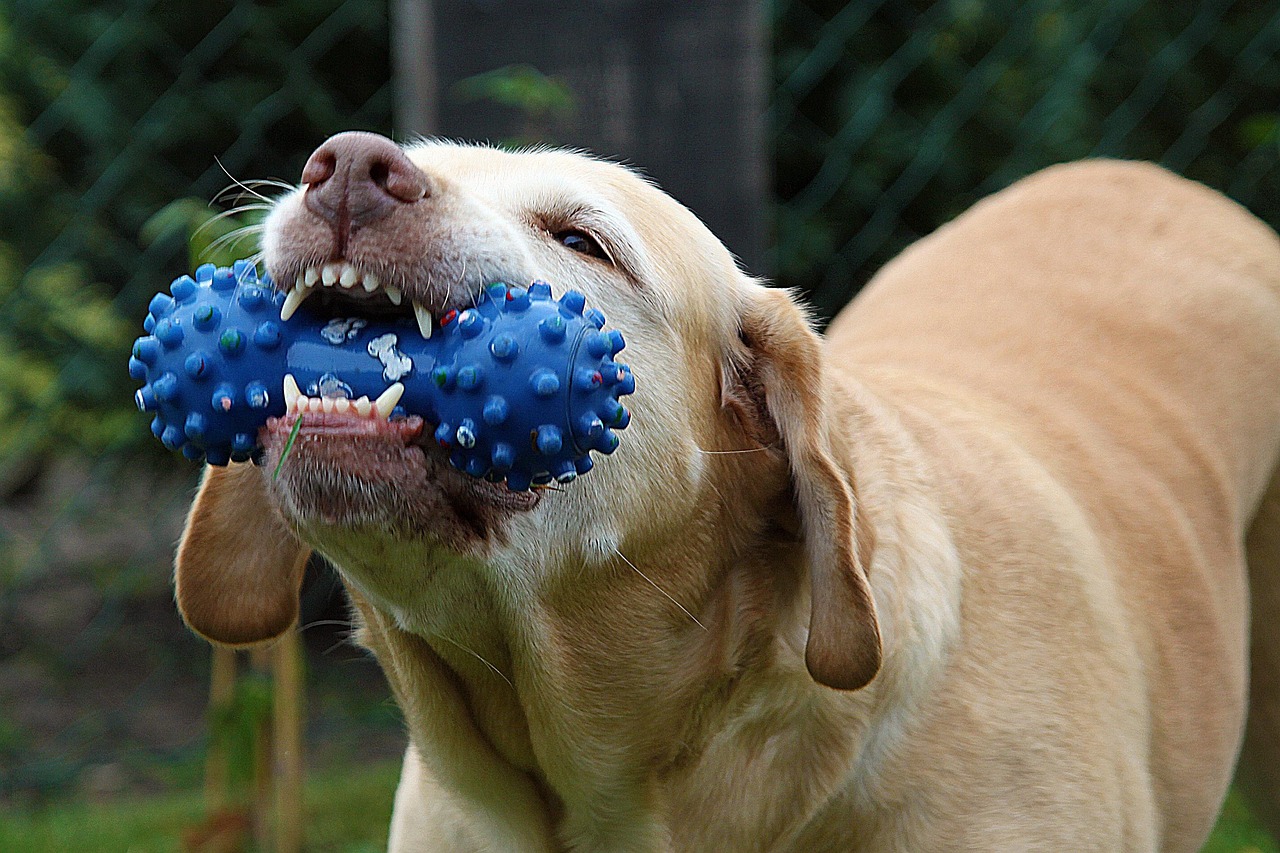
There's a reason dogs naturally chew when stressed and cats instinctively stalk and pounce—these behaviors are hardwired stress relievers. The right chew toys for dogs and wand toys for cats don't just entertain; they provide therapeutic outlets that genuinely reduce anxiety. Understanding how to harness these natural behaviors can transform your anxious pet's daily life.
Quick Verdict
Best for Dogs: Durable rope chews and dental-cleaning rubber toys that withstand aggressive chewing. Best for Cats: Feather wand toys that simulate prey movement. Why It Works: Chewing releases endorphins and jaw tension in dogs; hunting play fulfills cats' predatory needs—both naturally combat stress hormones.
Understanding the Chewing Instinct in Dogs
If you've ever noticed your dog chewing more when they're anxious, you've witnessed a built-in coping mechanism at work. Chewing isn't just something dogs do—it's something they need to do, especially when stressed.
When dogs chew, several important things happen in their bodies. First, the repetitive jaw motion releases endorphins—natural feel-good chemicals that create a sense of calm and well-being. Second, the physical act of chewing releases tension held in the jaw muscles, similar to how humans might unconsciously clench their jaws when stressed.
Third, chewing provides focused mental engagement. An anxious dog whose mind is racing with worry becomes grounded when they have something tangible to work on. The chewing becomes a form of meditation, anchoring them in the present moment.
The problem is that without appropriate chew toys, stressed dogs often channel this need into destructive behaviors—chewing furniture, shoes, or even their own paws. Providing the right outlets transforms destructive anxiety into healthy coping.
Understanding the Hunting Instinct in Cats
Cats are obligate predators—hunting isn't optional for their psychological well-being, it's essential. In the wild, cats would spend several hours daily stalking, chasing, and catching prey. Domestic cats retain these same drives but often have no outlet for them.
This mismatch between instinct and reality creates what behaviorists call "predatory frustration." Cats become restless, anxious, or even aggressive because their most fundamental behavioral needs aren't being met. Some cats develop obsessive behaviors like over-grooming or excessive vocalization.
Wand toys—those feathered, dangling toys on flexible rods—are so effective because they perfectly simulate prey. The movement, the unpredictability, the ability to stalk, pounce, and "kill" satisfies cats in ways that passive toys simply cannot.
When cats engage in successful hunting play, they experience a complete emotional arc: the excitement of the hunt, the satisfaction of the catch, and the calm that follows a successful "kill." This natural cycle is profoundly stress-relieving.
Types of Chew Toys for Anxious Dogs
Not all chew toys serve the same purpose. Understanding the different types helps you match toys to your dog's specific needs and chewing style.
Rope Toys
Rope toys are classic anxiety relievers. The fibrous texture massages gums, the act of tugging and shredding mimics natural prey processing, and the durability of quality rope toys stands up to intense chewing.
For anxious dogs, rope toys offer the additional benefit of interactive play. A game of tug-of-war with you provides both physical exercise and bonding—two powerful anxiety reducers.
Choose ropes made from natural cotton or similar safe fibers. Avoid ropes that fray into long strings that could be swallowed and cause intestinal blockages.
Rubber Chew Toys
Durable rubber toys like Kongs and similar products can be filled with treats, creating a challenging puzzle that rewards extended chewing. The rubber texture satisfies chewing urges while the hidden treats maintain engagement.
For maximum anxiety relief, stuff rubber toys with your dog's favorite treats and freeze them. The frozen treat extends chewing time significantly, turning a 10-minute activity into an hour-long calming session.
Dental Chews
These specialized chews combine stress relief with oral health benefits. The textured surfaces clean teeth and massage gums as your dog chews. Many anxious dogs particularly enjoy the resistance dental chews provide.
Edible dental chews offer a finite chewing experience, making them ideal for specific stressful situations like thunderstorms or vet visits where you want predictable timing.
Nylon Bones
For power chewers, nylon bones provide nearly indestructible chewing satisfaction. They're particularly good for dogs who quickly destroy softer toys, giving anxious chewers something they can really work on without you worrying about safety.
Choose appropriately sized nylon bones—too small and they become choking hazards; too large and they may not satisfy. Also ensure the hardness matches your dog's chewing strength to prevent tooth damage.
Natural Chews
Bully sticks, elk antlers, and other natural chews provide primal satisfaction. Many dogs find these more engaging than synthetic options because they smell and taste like the real thing.
Natural chews are excellent for anxious dogs because they require sustained effort to consume. This extended engagement provides longer-lasting stress relief than chews that disappear quickly.
Types of Wand Toys for Anxious Cats
The wand toy category is diverse, with different attachments triggering different aspects of the hunting instinct.
Feather Wand Toys
Feathers mimic birds—one of cats' most exciting prey types. The unpredictable fluttering motion triggers intense hunting focus. Feather wands are particularly effective for initiating play in reluctant cats because the movement is so compelling.
String and Ribbon Wands
Simple string or ribbon attachments mimic snake or worm movements. The slithering motion along the ground triggers a different hunting response than airborne feathers, engaging cats who prefer ground-based prey.
Mouse and Creature Attachments
Faux mice, insects, or other small creature attachments add realism to the hunt. Many cats become completely absorbed when chasing a realistic-looking mouse that darts and hides.
Retractable and Electronic Wands
Modern wand toys include retractable designs and even electronic versions that create unpredictable movement patterns. These are excellent for maintaining cat interest during extended play sessions.
How to Use Chew Toys for Maximum Stress Relief
Simply providing chew toys isn't enough—how you use them matters significantly.
Timing Is Everything
Offer chew toys before anticipated stressful events. If you know a thunderstorm is coming, present a high-value chew toy 30 minutes in advance. By the time the storm hits, your dog is already engaged in calming chew activity.
For separation anxiety, establish a routine where your departure is preceded by a special chew toy that's only available when you leave. This creates positive associations with departure and provides distraction during the crucial first 20-30 minutes.
Rotate Your Selection
Dogs can become bored with the same chew toy day after day. Maintain a rotation of 4-6 different chews, presenting different options each day. Weekly rotation keeps each toy feeling "new" and engaging.
Match Chew to Mood
Different anxiety levels call for different chews. Mild nervousness might be soothed by a simple rubber toy. Intense anxiety during fireworks might require the most compelling, long-lasting option you have—like a frozen, stuffed Kong or a treasured natural chew.
Supervise Appropriately
While most quality chew toys are safe, supervision is wise—especially with new toys. Watch for pieces breaking off that could be swallowed. Once you know how your dog handles a particular toy, you can gradually allow more unsupervised chewing.
How to Use Wand Toys for Maximum Stress Relief
Wand toy play is an art. Done right, it provides profound stress relief. Done poorly, it can actually increase frustration.
Simulate Real Prey
Move the wand toy like actual prey would move. Birds don't hover in front of cats—they flutter erratically, land briefly, then take off again. Mice don't move in predictable patterns—they dart, freeze, and hide.
Let your cat stalk. Allow periods where the "prey" is unaware of the cat, moving casually. Then sudden flight when "spotted." This builds the hunting tension cats crave.
Always Let Them Win
This is crucial: every wand toy session should end with your cat successfully "catching" and "killing" the prey. Cats who never catch their prey become frustrated rather than satisfied. After the final catch, let them hold, bite, and kick the toy for several minutes.
Follow with Food
The natural hunting sequence is: hunt → catch → kill → eat. After play, offer a small meal or treats. This completes the behavioral cycle and triggers the satisfied, sleepy calm that follows a successful hunt.
Session Length
Two 10-15 minute play sessions daily is ideal for most cats. Watch for signs of fatigue—heavy breathing, lying down while still watching the toy, or decreased enthusiasm. Cats are sprinters, not marathon runners.
End on Success
Gradually slow the toy's movements toward the session's end. Let your cat make a final successful catch. Offer praise and the post-hunt treat. Never abruptly end play while your cat is in full hunting mode—this leaves them frustrated rather than satisfied.
Safety Considerations for Chew Toys
The wrong chew toy can pose serious risks. Here's how to keep your dog safe.
Size Matters
Chew toys should be large enough that your dog can't swallow them whole or get them lodged in their throat. When in doubt, go bigger. A too-large toy is an inconvenience; a too-small toy is a hazard.
Material Quality
Cheap chew toys made from low-quality materials can break into sharp pieces or contain harmful chemicals. Invest in reputable brands that use food-safe, non-toxic materials.
Know Your Chewer
Aggressive chewers need reinforced toys; gentle chewers can enjoy softer options. Mismatching chew intensity to toy durability leads to rapid destruction and potential ingestion of pieces.
Regular Inspection
Check chew toys regularly for damage. Worn toys with loose pieces should be discarded and replaced. Sharp edges, exposed stuffing, or small pieces that could break off are all warning signs.
Avoid Cooked Bones
Cooked bones (especially chicken, pork, and fish bones) can splinter dangerously. If you offer natural bones, ensure they're raw and appropriately sized for your dog's breed and chewing strength.
Safety Considerations for Wand Toys
Wand toys require active supervision and proper storage.
Never Leave Unsupervised
Wand toys with strings, ribbons, or feathers should never be left out when you're not actively playing. Cats can become tangled in strings, chew off and swallow small parts, or hurt themselves trying to free attached feathers.
Secure Storage
Store wand toys in closed containers or high shelves where cats can't access them. Many cats will actively seek out hidden wand toys, so simple hiding isn't sufficient.
Replace Worn Attachments
Feathers become bedraggled, strings fray, and attachments loosen with use. Replace worn components before they become hazards. Many wand systems offer replacement attachments for this purpose.
Mind Your Distance
Enthusiastic cats can accidentally scratch you during intense play. Use wands with longer handles to keep your hands at safe distance. Never use your bare hands as the "prey" during play.
Combining Toys with Other Calming Strategies
Chew toys and wand toys work best as part of a comprehensive anxiety management approach.
Exercise First
For dogs, a walk before presenting a chew toy often increases effectiveness. Physical exercise burns off excess energy, and the chew toy addresses remaining mental restlessness.
Calming Supplements
Environmental Support
Create a calm space for toy time. Pheromone diffusers, calming music, and comfortable bedding enhance the stress-relieving effects of play. After play, your pet may naturally drift into restful sleep in this peaceful environment.
Routine Matters
Predictable play times help anxious pets. Knowing when to expect their favorite activities reduces baseline anxiety. Try to offer chew time or wand play at consistent times each day.
Signs Your Pet Is Benefiting from Play
How do you know your toy strategy is working? Watch for these positive signs.
In Dogs
- Reduced destructive chewing on inappropriate items
- Calmer demeanor during previously stressful situations
- Contentedly settling down after chew sessions
- Seeking out chew toys independently during mild stress
- Less pacing, panting, or other anxiety behaviors
In Cats
- Reduced nighttime hyperactivity (the "zoomies")
- Less aggressive behavior toward humans or other pets
- Decreased excessive grooming
- More relaxed body language overall
- Better sleep quality after play sessions
- Eager engagement when the wand toy appears
Troubleshooting Common Problems
My Dog Destroys Toys Too Quickly
Try upgrading to toys specifically designed for aggressive chewers. Look for "indestructible" or "power chewer" labels. Also consider whether your dog needs more frequent play sessions—sometimes rapid destruction indicates insufficient chewing opportunities.
My Cat Loses Interest Quickly
You may not be moving the toy realistically enough. Practice prey-like movement. Also try different attachment types—some cats prefer feathers while others like ground-based "mice." Rotating toys weekly also maintains interest.
My Dog Guards Chew Toys Aggressively
Resource guarding is a separate behavioral issue requiring professional help. In the meantime, provide high-value chews only when your dog is in a safe, separate space. Consult a certified dog behaviorist for guidance.
My Cat Attacks My Hands Instead of the Toy
Use longer-handled wands and stop play immediately if your cat redirects to your hands. Resume only when they refocus on the toy. Never encourage hand-play even when it seems cute—it creates dangerous habits.
Frequently Asked Questions
How long should daily chewing or play sessions last?
For dogs, 20-30 minutes of chewing time daily is beneficial, which can be divided into multiple sessions. For cats, two 10-15 minute wand toy sessions daily meets most cats' hunting needs. Watch your pet for signs of satisfaction or fatigue.
Can puppies and kittens use these toys?
Yes, with appropriate supervision and age-appropriate options. Puppies need softer chews that won't damage developing teeth. Kittens can enjoy wand play but tire more quickly than adults. Always supervise young pets with any toy.
My senior pet doesn't seem interested in play anymore. What should I do?
Senior pets may need gentler options and shorter sessions. For older dogs, try softer chews. For senior cats, slower-moving wand play at ground level may be more accessible. Some seniors still benefit greatly from play—just at their own pace.
How many chew toys should my dog have?
Keep 2-3 toys in rotation at any time, with a reserve of 4-6 total. Too many available toys diminish novelty; too few leads to boredom. Weekly rotation maintains interest while ensuring appropriate variety.
My cat doesn't seem to understand the wand toy. How do I teach them?
Start with the toy on the ground, making very small movements. Drag it slowly away from your cat to trigger their chase instinct. Some cats need several sessions before understanding that the toy is "prey" worth catching.
Are laser pointers good for cats?
Laser pointers can provide exercise but may increase frustration since cats can never "catch" the light. If using lasers, always end sessions by leading to a physical toy your cat can catch and "kill." Some cats become obsessive about laser light—discontinue if this occurs.
The Bottom Line: Natural Instincts, Natural Calm
Your pet's ancestors chewed and hunted for survival. While modern pets don't need to catch their dinner, they still carry these powerful instincts. When we provide appropriate outlets—durable chew toys for dogs, engaging wand toys for cats—we're not just entertaining our pets. We're meeting fundamental psychological needs that, when unfulfilled, manifest as anxiety.
The beauty of these tools is their simplicity. A quality chew toy costs a few dollars but provides hours of stress relief. A wand toy session takes just 15 minutes but can transform a restless, anxious cat into a satisfied, sleepy companion.
Start today. Watch your dog's jaw tension melt away as they work on a satisfying chew. See your cat's anxious energy transform into the focused joy of the hunt. These aren't just toys—they're pathways to calm that nature designed perfectly.
Ready to Help Your Pet Destress Naturally?
Explore our complete collection of stress-relief solutions and discover more ways to help your pet find calm.
Browse More Calming Solutions