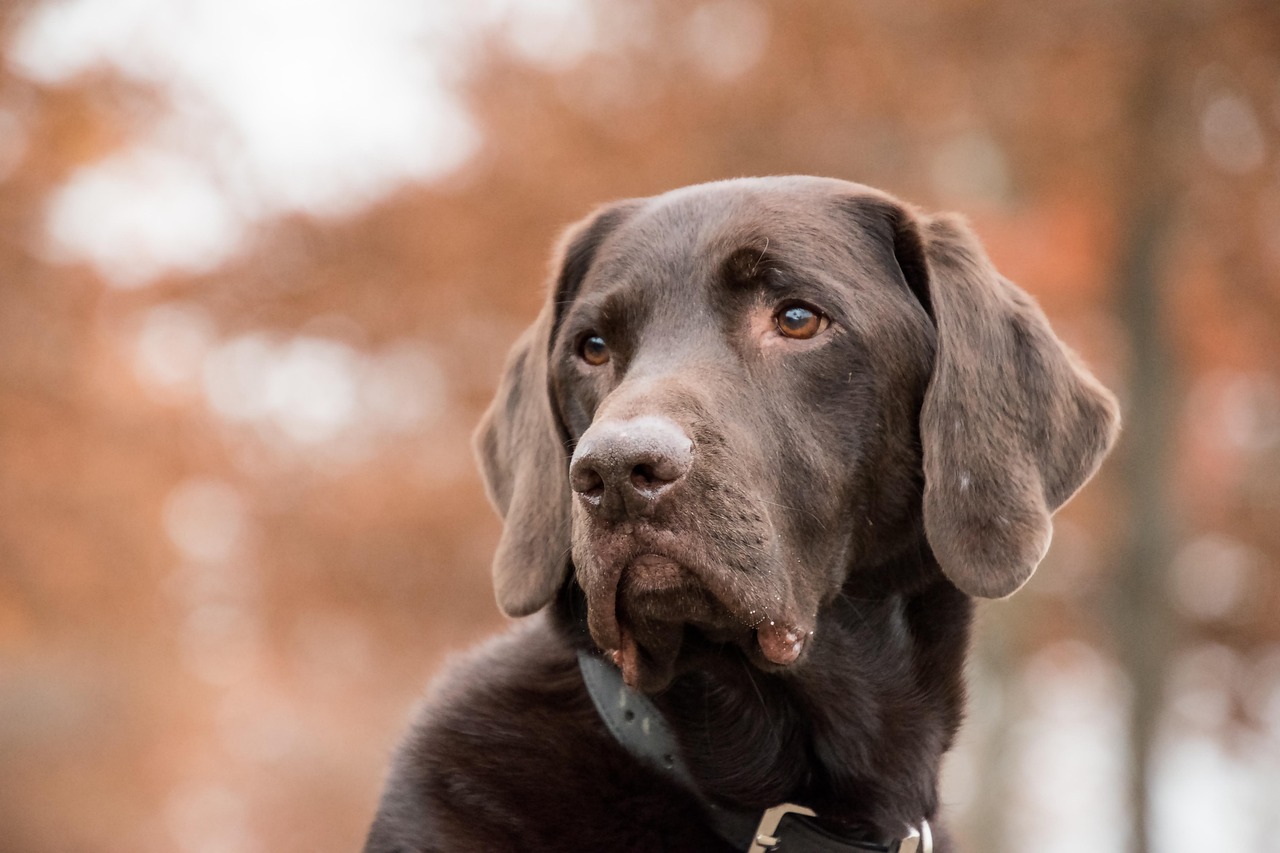
Never lose sight of your furry companion again with today's advanced pet tracking and identification technology.
Quick Verdict
Best GPS Tracker: Tractive GPS Pet Tracker for real-time tracking with updates every 2-3 seconds. Best Smart ID: MYLUCKYTAG QR Code Pet Tags for comprehensive online profiles. Best Visibility: MASBRILL LED Dog Collar for nighttime safety. Best for Travel: Henkelion Cat Carrier Backpack for secure transport.
Every pet parent's worst nightmare is looking around and realizing their beloved companion has disappeared. Whether your curious cat slipped out an open door or your adventurous dog found a gap in the fence, those frantic moments of searching are terrifying. The good news? Modern technology offers powerful solutions to help locate lost pets quickly and ensure they can always be identified. From real-time GPS trackers to smart ID tags, the tools available in 2026 make keeping tabs on your four-legged family members easier than ever.
Understanding Pet GPS Trackers
GPS pet trackers have evolved dramatically from the bulky, unreliable devices of years past. Today's trackers are compact, lightweight, and incredibly accurate, providing real-time location data right to your smartphone.
How GPS Tracking Works
Pet GPS trackers use a combination of technologies to pinpoint your pet's location:
Global Positioning System (GPS): Satellites orbiting Earth provide location data accurate to within a few feet, giving you precise coordinates for your pet's whereabouts.
Cellular connectivity: Most trackers use cellular networks to transmit location data to your phone, meaning coverage depends on your area's cell service.
Wi-Fi positioning: Some advanced trackers also use nearby Wi-Fi networks to improve accuracy, especially in urban areas.
Bluetooth: Short-range Bluetooth helps locate pets within your home or immediate vicinity.
Essential Tracker Features
When shopping for a GPS tracker, look for these important features:
Geofencing: Create virtual boundaries around your home, yard, or favorite park. Receive instant alerts if your pet crosses these boundaries, giving you precious early warning.
Activity monitoring: Beyond location, many trackers monitor your pet's daily activity levels, helping you ensure they're getting enough exercise.
Waterproof design: Pets encounter water whether swimming, playing in puddles, or just getting caught in rain. A waterproof tracker is essential.
Battery life: Look for trackers with battery life of several days to weeks, depending on usage. Frequent tracking uses more battery.
Attachment options: Trackers should attach securely to collars without adding excessive weight, especially important for smaller pets and cats.
The Importance of Proper Pet Identification
While GPS tracking is wonderful for active monitoring, traditional identification methods remain essential as backup systems and for pets who can't wear trackers.
Traditional ID Tags vs. Smart Tags
Traditional engraved tags have worked for decades. They require no batteries, work anywhere, and anyone can read them. However, they can become worn and illegible, get lost, or fall off.
Microchipping: The Permanent Solution
Microchips provide permanent identification that can't be lost, removed, or worn out. A tiny chip injected under your pet's skin contains a unique ID number that veterinarians and shelters can scan. However, microchips require scanners to read and depend on keeping your registration current.
Best practice: Use a combination of visible ID tags, smart tags, and microchipping for comprehensive protection. No single method is perfect alone.
GPS Trackers for Dogs
Dogs present unique tracking challenges due to their activity levels and size variations.
Considerations for Active Dogs
Active dogs need trackers that can keep up with their adventures:
Durability: Choose shock-resistant designs that survive rough play, digging, and outdoor adventures.
Secure attachment: Active dogs can dislodge poorly attached trackers. Look for reinforced collar clips or integrated collar designs.
Extended battery: Dogs on long hikes or all-day adventures need trackers with substantial battery life.
Size-Appropriate Tracking
Different dog sizes require different tracker considerations:
Small dogs (under 15 lbs): Weight matters significantly. Look for compact trackers under 1 oz that won't burden small necks.
Medium dogs (15-50 lbs): Most standard trackers work well for medium breeds.
Large dogs (50+ lbs): Can handle larger, more feature-rich trackers with extended battery life.
GPS Trackers for Cats
Cats present different challenges than dogs for tracking.
Indoor/Outdoor Cat Considerations
Cats who venture outdoors need reliable tracking, but their behaviors differ from dogs:
Climbing and tight spaces: Cats squeeze into surprising places. Compact, low-profile trackers work best.
Activity patterns: Cats often stay stationary for hours, then suddenly move. Trackers with smart activity detection help conserve battery.
Territory mapping: Some trackers offer heat maps showing where your cat spends time, revealing their secret outdoor haunts.
Weight Considerations
Cats are often more sensitive to collar weight than dogs. A tracker over 1-1.5 oz may be uncomfortable for most cats. The lightest options work best for feline friends.
Enhancing Visibility for Pet Safety
GPS tracking works best when combined with visibility gear that helps you spot your pet and helps others see them.
LED Collars for Low-Light Conditions
LED collars serve dual purposes: they help you locate your pet in darkness and make them visible to drivers, cyclists, and pedestrians.
Benefits of LED collars:
- Visible from great distances at night
- Multiple light modes (steady, flashing)
- Rechargeable designs reduce battery waste
- Help locate pets quickly in low light
- Safety feature during evening walks
Reflective Gear
Reflective elements catch headlights and flashlights, providing passive visibility without batteries. Combine reflective collars, harnesses, or clip-on tags with active LED lighting for maximum visibility.
Traveling Safely with Pets
GPS tracking becomes even more important during travel when pets are in unfamiliar environments.
Carrier Safety and Identification
When traveling with smaller pets or cats, secure carriers provide safe transport while identification ensures they can be returned if separated from you.
Travel carrier tips:
- Attach ID tags to carriers, not just collars
- Keep GPS trackers on pets even inside carriers
- Include contact information inside and outside carriers
- Acclimate pets to carriers before travel
Organizing Pet Travel Gear
Keeping all pet travel supplies organized ensures you have everything needed for safe trips.
Setting Up GPS Tracking Successfully
Getting the most from GPS tracking requires proper setup and configuration.
Initial Configuration
Create geofences: Set up virtual boundaries around your home immediately. Start with boundaries slightly larger than your property, then adjust based on alerts.
Test thoroughly: Before relying on tracking during emergencies, test it extensively. Take walks while monitoring your phone to ensure accurate tracking.
Enable all alerts: Turn on notifications for leaving geofences, low battery, and tracker removal.
Update contact information: Ensure your phone number and email in the tracker app are current.
App and Device Tips
Keep the app updated: GPS tracker apps receive regular updates improving accuracy and features.
Monitor battery life: Check tracker battery regularly. Many apps send low-battery alerts, but don't rely solely on these.
Test cellular coverage: Note areas with poor coverage where tracking may be unreliable.
What to Do If Your Pet Goes Missing
Despite best precautions, pets sometimes escape. Having GPS tracking dramatically improves recovery chances.
Immediate Steps
- Check the GPS: Open your tracker app immediately. Even if your pet left a geofenced area, tracking continues.
- Enable live tracking: Switch to live mode for real-time updates, even though this uses more battery.
- Search nearby first: Pets often don't go far initially. Search your immediate area while monitoring GPS.
- Share location access: Most tracker apps let you share access with family members who can help search.
If GPS Isn't Helping
Sometimes pets enter areas without coverage, or trackers malfunction:
- Post to local lost pet social media groups
- Contact local shelters and vets
- Canvas the neighborhood with flyers
- Check with microchip registry
- Leave familiar items outside to attract returning pets
Combining Technologies for Maximum Protection
The best protection uses layered approaches:
Layer 1: Visible ID
- Traditional engraved tags with name and phone
- Smart QR tags with extensive online profiles
Layer 2: Permanent ID
- Microchip with current registration
Layer 3: Active Tracking
- GPS tracker for real-time location
Layer 4: Visibility
- LED collars for low-light visibility
- Reflective gear for passive visibility
Subscription Considerations
Most GPS trackers require monthly subscriptions for cellular connectivity. Consider:
Cost: Monthly fees typically range from $5-15, with discounts for annual plans.
Coverage: Ensure the carrier used by your tracker has good coverage in your area.
Features: Premium tiers often include additional features like activity monitoring and health tracking.
Contract length: Some services offer month-to-month options while others require annual commitments.
Common GPS Tracker Issues and Solutions
Issue: Inaccurate location
- Check for firmware updates
- Ensure clear sky view (GPS works poorly indoors)
- Verify cellular coverage in the area
Issue: Short battery life
- Reduce live tracking usage
- Disable unnecessary features
- Replace battery if applicable
Issue: Tracker won't connect
- Restart both tracker and phone
- Check subscription status
- Contact manufacturer support
Issue: Collar keeps falling off
- Use appropriate collar size
- Check attachment mechanism
- Consider integrated collar designs
Frequently Asked Questions
How accurate are GPS pet trackers?
Modern GPS trackers are typically accurate within 6-15 feet outdoors with clear sky view. Accuracy decreases indoors or in dense urban areas, but many trackers supplement GPS with Wi-Fi and Bluetooth for improved indoor positioning.
Do GPS trackers work for cats?
Yes, but choose lightweight models specifically designed for cats. Look for trackers under 1 oz that attach securely to breakaway collars. The lighter the tracker, the more comfortable your cat will be wearing it.
What's the battery life of most GPS trackers?
Battery life varies widely, from 2-3 days with constant live tracking to several weeks with periodic updates. Most trackers offer 5-7 days of normal use. Always keep a charging schedule to avoid dead batteries during emergencies.
Are monthly subscriptions worth it?
For pets who escape or for outdoor cats, the $5-15 monthly cost is minimal compared to the peace of mind and recovery assistance. Consider it pet insurance for peace of mind.
Can GPS trackers replace microchips?
No—use both. GPS trackers require batteries and subscriptions that can fail. Microchips are permanent backup identification that any shelter or vet can scan. They work together for complete protection.
What's the range of GPS pet trackers?
GPS trackers have unlimited range as long as they have cellular coverage. Your pet could be miles away and you'd still see their location. Bluetooth-only trackers, however, only work within about 30-100 feet.
Final Thoughts
The combination of GPS tracking and proper identification creates a powerful safety net for your beloved pets. Modern trackers like the Tractive GPS provide real-time location data, activity monitoring, and peace of mind. Smart ID tags ensure anyone finding your pet can access comprehensive contact information. LED collars and visibility gear help prevent accidents and make pets easier to spot.
While we hope you never need to track down a lost pet, having these systems in place means you're prepared for the worst while enjoying daily peace of mind. The technology continues to improve, with trackers getting smaller, more accurate, and more feature-rich each year.
Invest in GPS tracking and proper identification today, because your pet's safety is worth every penny.