What if the key to calming your anxious pet wasn't in their head, but in their gut? Cutting-edge research reveals a powerful connection between digestive health and emotional wellbeing in pets. Probiotics and omega-3 fatty acids are emerging as game-changers in natural anxiety management—and the science behind them is genuinely exciting.
Quick Verdict
Best Probiotic: Multi-strain formulas with at least 5 billion CFUs offer comprehensive gut-brain support. Best Omega-3: Fish oil or algae-based supplements with high EPA/DHA content. Best Combo: Products combining both ingredients for synergistic anxiety relief.
The Gut-Brain Connection: Why Your Pet's Belly Affects Their Brain
Here's something that might surprise you: your pet has a "second brain" in their gut. It's called the enteric nervous system, and it contains over 500 million neurons—more than in their spinal cord. This gut-brain axis is in constant communication with the brain, sending signals that profoundly affect mood, behavior, and stress responses.
When your dog trembles during thunderstorms or your cat hides when guests arrive, their gut microbiome is actively influencing these fear responses. Research shows that the bacteria living in your pet's digestive system produce neurotransmitters like serotonin, dopamine, and GABA—the same chemicals that regulate mood and anxiety in the brain.
In fact, up to 95% of serotonin (the "happy hormone") is produced in the gut. This means that an unhealthy gut microbiome can directly contribute to anxiety, depression, and stress-related behaviors in pets.
This groundbreaking understanding has opened up entirely new approaches to pet anxiety management. Instead of just treating symptoms in the brain, we can now support mental health from the inside out—literally.
Probiotics: The Friendly Bacteria That Calm Anxious Pets
Probiotics are live beneficial bacteria that support digestive health and, as we now know, mental health too. These microscopic helpers work tirelessly in your pet's gut, maintaining the delicate balance needed for both physical and emotional wellbeing.
How Probiotics Reduce Pet Anxiety
The mechanism is fascinating. Beneficial gut bacteria influence anxiety through several pathways:
Neurotransmitter Production: Certain probiotic strains directly produce calming neurotransmitters like GABA and serotonin. They also influence the production of dopamine, which helps regulate mood and motivation.
Inflammation Reduction: Chronic inflammation in the gut can trigger brain inflammation, which is linked to anxiety and depression. Probiotics help maintain the gut barrier, preventing inflammatory compounds from entering the bloodstream and affecting the brain.
Stress Hormone Regulation: Studies show that certain probiotic strains can reduce cortisol levels—the primary stress hormone. Lower cortisol means a calmer, more relaxed pet.
Vagus Nerve Stimulation: The vagus nerve is the main communication highway between the gut and brain. Probiotics stimulate this nerve in ways that promote relaxation and reduce anxiety responses.
Key Probiotic Strains for Anxiety
Not all probiotics are created equal when it comes to anxiety relief. Look for products containing these specific strains:
- Lactobacillus rhamnosus: Extensively studied for its anxiety-reducing effects; reduces cortisol and increases GABA receptor expression
- Bifidobacterium longum: Shown to reduce anxiety-like behaviors and normalize stress responses
- Lactobacillus helveticus: Decreases cortisol levels and improves mood markers
- Bifidobacterium breve: Supports healthy stress responses and cognitive function
- Lactobacillus acidophilus: General gut health support that indirectly benefits mental wellbeing
Choosing the Right Probiotic for Your Pet
When shopping for pet probiotics, keep these factors in mind:
CFU Count: Look for products with at least 1-5 billion CFUs (colony-forming units) per serving. More isn't always better, but adequate numbers ensure enough bacteria survive digestion to colonize the gut.
Multiple Strains: Multi-strain formulas provide broader benefits than single-strain products. Different strains have different functions, so diversity matters.
Species-Specific: Choose probiotics formulated for pets. Human probiotics may not contain strains that thrive in the canine or feline gut environment.
Shelf Stability: Some probiotics require refrigeration; others are shelf-stable. Make sure you can store them properly to maintain potency.
Omega-3 Fatty Acids: The Brain-Boosting Fats Your Pet Needs
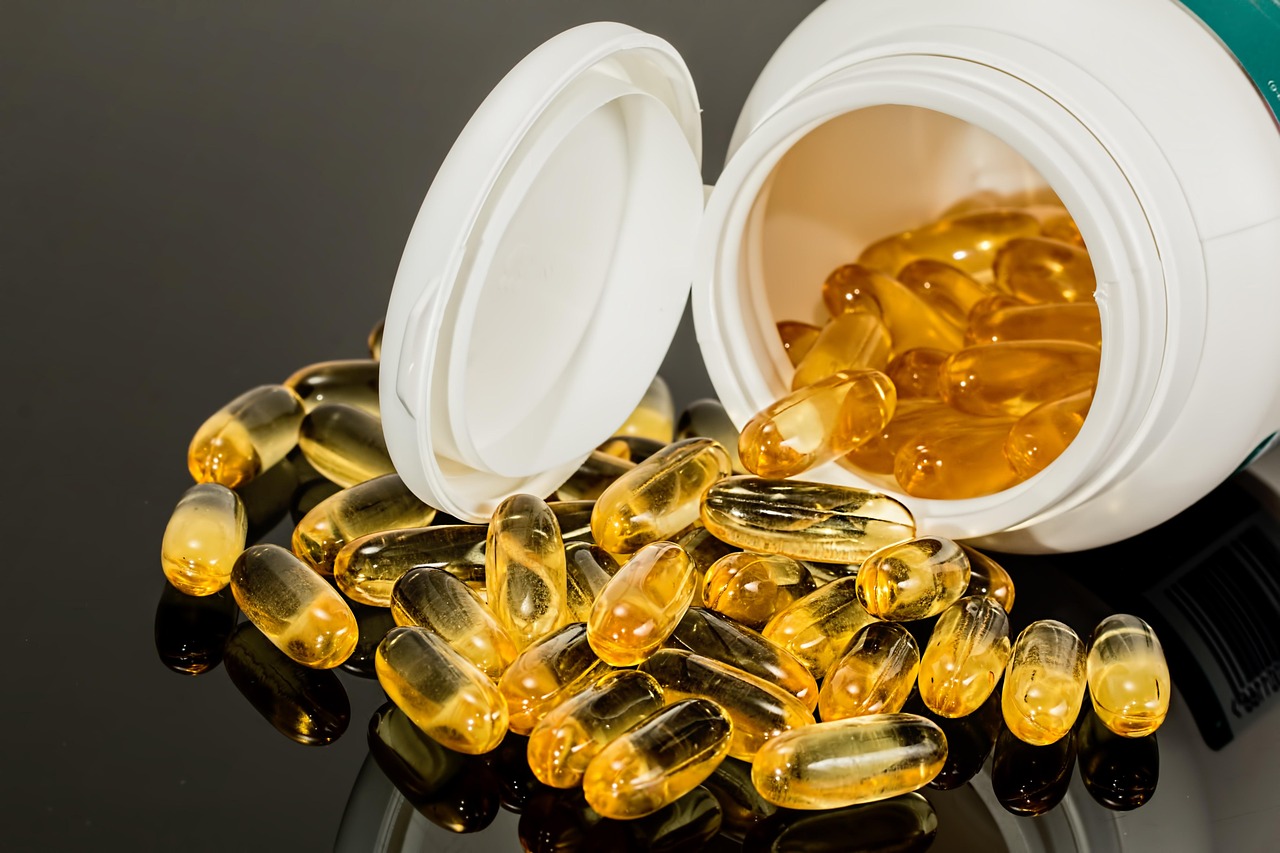
Omega-3 fatty acids, particularly EPA (eicosapentaenoic acid) and DHA (docosahexaenoic acid), are essential fats that play crucial roles in brain health and emotional regulation. Your pet cannot produce these fats on their own—they must come from diet or supplementation.
How Omega-3s Combat Anxiety
The anti-anxiety effects of omega-3s are well-documented in both human and veterinary research:
Brain Cell Health: DHA is a major structural component of brain cell membranes. Adequate DHA ensures neurons can communicate effectively, supporting healthy mood regulation and stress responses.
Inflammation Control: Chronic inflammation contributes to anxiety. Omega-3s are powerful anti-inflammatories that help reduce brain inflammation and calm overactive stress responses.
Neurotransmitter Function: EPA and DHA influence how the brain produces and responds to neurotransmitters like serotonin and dopamine. Sufficient omega-3 levels support balanced brain chemistry.
Cortisol Regulation: Research shows omega-3 supplementation can reduce cortisol levels and improve the body's ability to recover from stress.
Fish Oil vs. Algae Oil: Which Is Better?
Fish Oil: The traditional source of omega-3s, fish oil provides high levels of EPA and DHA. It's well-absorbed and effective but may have a fishy smell some pets dislike.
Algae Oil: A plant-based alternative that provides DHA (and sometimes EPA) without the fishiness. It's sustainable and a good option for pets with fish allergies.
Both work well—choose based on your pet's preferences and any dietary restrictions.
Dosing Omega-3s for Anxiety
For anxiety support, pets typically need higher omega-3 doses than those recommended for general health:
- Small dogs and cats (under 20 lbs): 250-500mg combined EPA/DHA daily
- Medium dogs (20-50 lbs): 500-1000mg combined EPA/DHA daily
- Large dogs (50-90 lbs): 1000-1500mg combined EPA/DHA daily
- Extra large dogs (90+ lbs): 1500-2000mg combined EPA/DHA daily
Start at the lower end and increase gradually. It may take 6-12 weeks of consistent supplementation to see the full anti-anxiety benefits.
The Synergy Effect: Combining Probiotics and Omega-3s
Here's where things get really interesting. When you combine probiotics and omega-3s, they work together in ways that amplify their individual benefits—a phenomenon researchers call synergy.
How They Enhance Each Other
Omega-3s Support Probiotic Survival: The anti-inflammatory properties of omega-3s create a healthier gut environment where beneficial bacteria can thrive and colonize more effectively.
Probiotics Enhance Omega-3 Absorption: A healthy gut microbiome improves the absorption and utilization of omega-3 fatty acids, making your supplementation more effective.
Double Anti-Inflammatory Action: Both omega-3s and probiotics reduce inflammation through different mechanisms. Together, they provide comprehensive inflammation control that benefits both gut and brain.
Complementary Neurotransmitter Support: While probiotics produce neurotransmitters in the gut, omega-3s ensure the brain can properly use and respond to them.
Signs Your Pet May Have an Unhealthy Gut
How do you know if gut health is contributing to your pet's anxiety? Look for these signs:
- Frequent digestive upset (gas, bloating, loose stools)
- Food sensitivities or allergies
- Skin issues (itching, hot spots, dull coat)
- Bad breath that persists despite dental care
- History of antibiotic use
- Stress-induced diarrhea or vomiting
- Anxiety that doesn't respond well to other treatments
If your anxious pet shows several of these signs, addressing gut health through probiotics and omega-3s may be particularly beneficial.
Creating a Gut-Brain Wellness Protocol
Ready to implement this approach for your pet? Here's a step-by-step protocol:
Week 1-2: Start with Probiotics
Begin with probiotics at half the recommended dose to allow your pet's system to adjust. This prevents any digestive upset that can occur when introducing new bacteria to the gut.
Week 3-4: Add Omega-3s
Once your pet is tolerating probiotics well, introduce omega-3s at the recommended starting dose. Give with food to improve absorption and reduce any fish burps.
Week 5-8: Optimize and Observe
Increase both supplements to full therapeutic doses. Keep a journal tracking your pet's anxiety levels, behavior, and any digestive changes.
Week 9+: Maintain and Adjust
Continue daily supplementation for ongoing support. Most pets show noticeable improvement by this point, though some may need 12+ weeks for full effect.
Diet Matters: Foods That Support the Gut-Brain Axis
While supplements are valuable, diet plays a foundational role in gut-brain health. Consider these dietary strategies:
Prebiotic-Rich Foods
Prebiotics are fibers that feed beneficial gut bacteria. Add small amounts of:
- Pumpkin (pure, not pie filling)
- Sweet potato
- Bananas
- Apples (without seeds)
- Oats
Omega-3 Rich Foods
Supplement your pet's omega-3 intake with whole food sources:
- Sardines (low mercury, high omega-3)
- Salmon (wild-caught is best)
- Mackerel
- Anchovies
Fermented Foods
Small amounts of fermented foods provide natural probiotics:
- Plain kefir (goat's milk is often easier to digest)
- Plain yogurt (no artificial sweeteners!)
- Fermented vegetables (introduce slowly)
What the Research Says
The science supporting the gut-brain approach to pet anxiety is growing rapidly:
Veterinary Study (2019): Dogs receiving a probiotic containing Bifidobacterium longum showed significantly reduced anxious behaviors compared to placebo groups, with effects lasting even after supplementation ended.
Omega-3 Research (2020): Dogs supplemented with fish oil showed measurably lower cortisol responses to stress and improved recovery after stressful events.
Combination Study (2021): Pets receiving both probiotics and omega-3s showed greater improvements in anxiety-related behaviors than those receiving either supplement alone.
Long-term Follow-up (2023): Continued supplementation maintained anxiety improvements, with some pets showing progressive improvement over 12+ months.
Frequently Asked Questions
How long until I see results from probiotics and omega-3s?
Most pets show some improvement within 4-6 weeks, but full benefits typically develop over 8-12 weeks of consistent supplementation. Some severely anxious pets may need even longer.
Can I give my pet human probiotics or fish oil?
While some human products are safe, pet-specific formulations are preferred. They contain appropriate strains, doses, and lack ingredients that may be harmful to pets (like xylitol or artificial sweeteners).
Are there any side effects?
Probiotics may cause temporary digestive upset when first introduced. Fish oil can cause loose stools at high doses and may increase bleeding risk in pets on blood thinners. Start slowly and consult your vet if concerns arise.
Should I give these supplements with food?
Generally yes. Giving with food improves absorption (especially for omega-3s) and reduces the chance of digestive upset from probiotics.
Can I combine these with other anxiety treatments?
Probiotics and omega-3s are generally safe to combine with other anxiety treatments, including behavioral modification, calming supplements like L-Theanine, and even prescription medications. However, always inform your veterinarian about all supplements your pet takes.
Do these supplements help cats as well as dogs?
Yes! Both dogs and cats benefit from probiotic and omega-3 supplementation. Cats are often more sensitive to changes, so start with lower doses and increase gradually.
The Bottom Line: Heal the Gut, Calm the Mind
The gut-brain connection represents a paradigm shift in how we approach pet anxiety. By supporting your pet's digestive health with probiotics and omega-3 fatty acids, you're addressing anxiety at its biochemical roots rather than just masking symptoms.
This approach is particularly powerful because it's natural, safe for long-term use, and provides benefits beyond anxiety relief—including better digestion, healthier skin and coat, and improved overall vitality.
Remember, gut health changes take time. Be patient, stay consistent, and trust the process. Your pet's journey to a calmer mind starts in their belly, and every day of supplementation is an investment in their emotional wellbeing.
Give your pet the gift of gut-brain balance. Their calmer, happier self will thank you.
Ready to Support Your Pet's Gut-Brain Health?
Explore our recommended probiotics and omega-3 supplements for natural anxiety relief.
Browse More Calming Solutions