Calming Treats for Dogs & Cats: A Safer Buyer Guide
Treats can make training and predictable routines easier, but “natural” does not automatically mean safe or effective. Read the label, account for calories, and involve your veterinarian when a supplement is being considered.
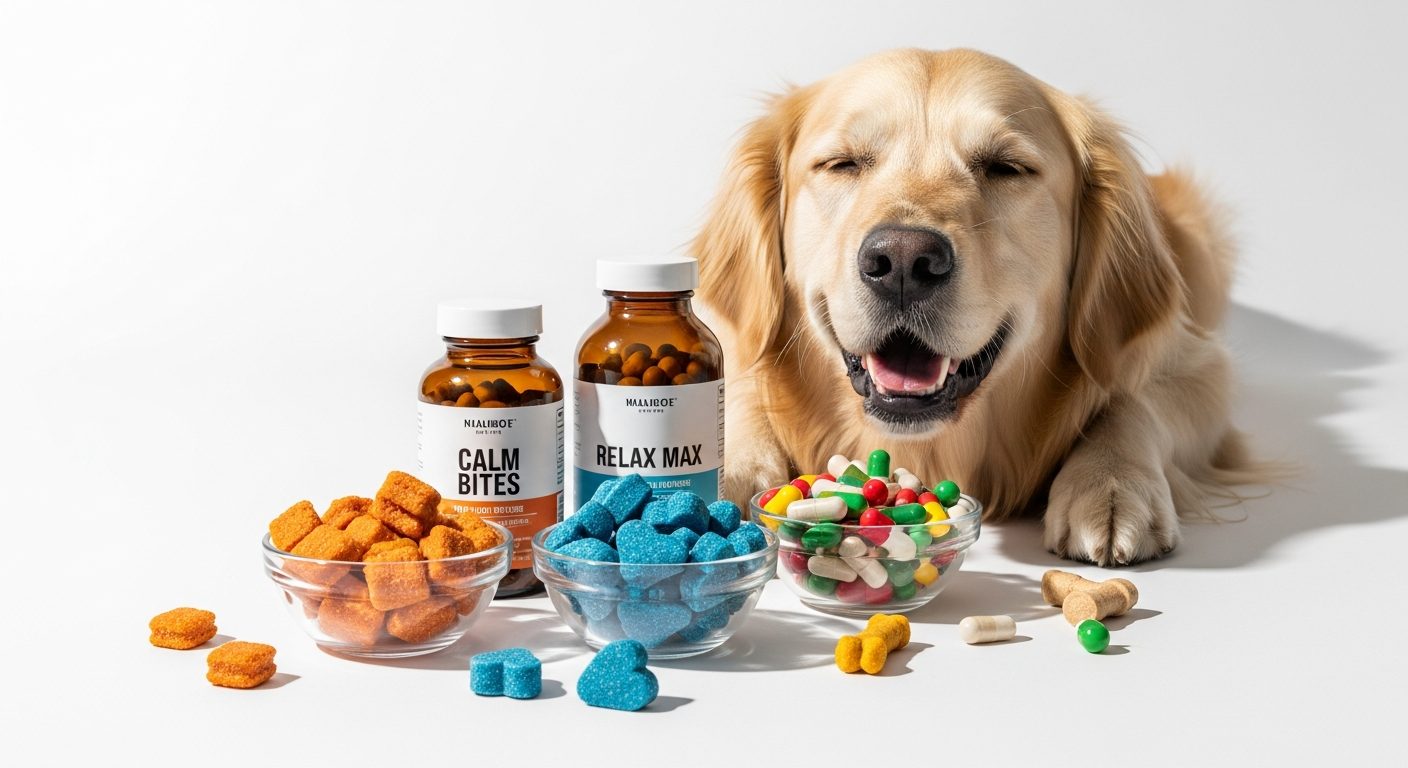
What to check on the label
- The product is clearly labeled for your pet’s species, life stage, and weight range.
- Ingredients and amounts are listed, with a batch or lot number and a manufacturer contact.
- Calories fit within your pet’s daily plan; treats should not quietly replace a balanced diet.
- There are no ingredients your veterinarian has told you to avoid, especially if your pet takes medication or has liver, kidney, digestive, or seizure concerns.
Use treats as part of a plan
Pair a treat with calm behaviour, mat training, sniffing, or a gradual departure routine. Introduce one new product at a time and monitor stool, appetite, energy, itching, and behaviour. Stop and call your veterinarian for vomiting, diarrhea, marked sedation, tremors, swelling, or any concerning change.
Options to research
Shop dog calming treats →Shop cat calming treats →Ask before supplementing
Ask your veterinarian whether the product is appropriate, whether its ingredients could interact with current medication, and what improvement would be meaningful. Severe panic, pain, self-injury, or appetite loss needs professional assessment rather than a treat.