Pet Pheromone Diffusers: What to Know Before Buying
Diffusers release synthetic versions of species-specific chemical signals. They may support a calmer environment for some dogs or cats, but results vary and they should be part of a broader plan.
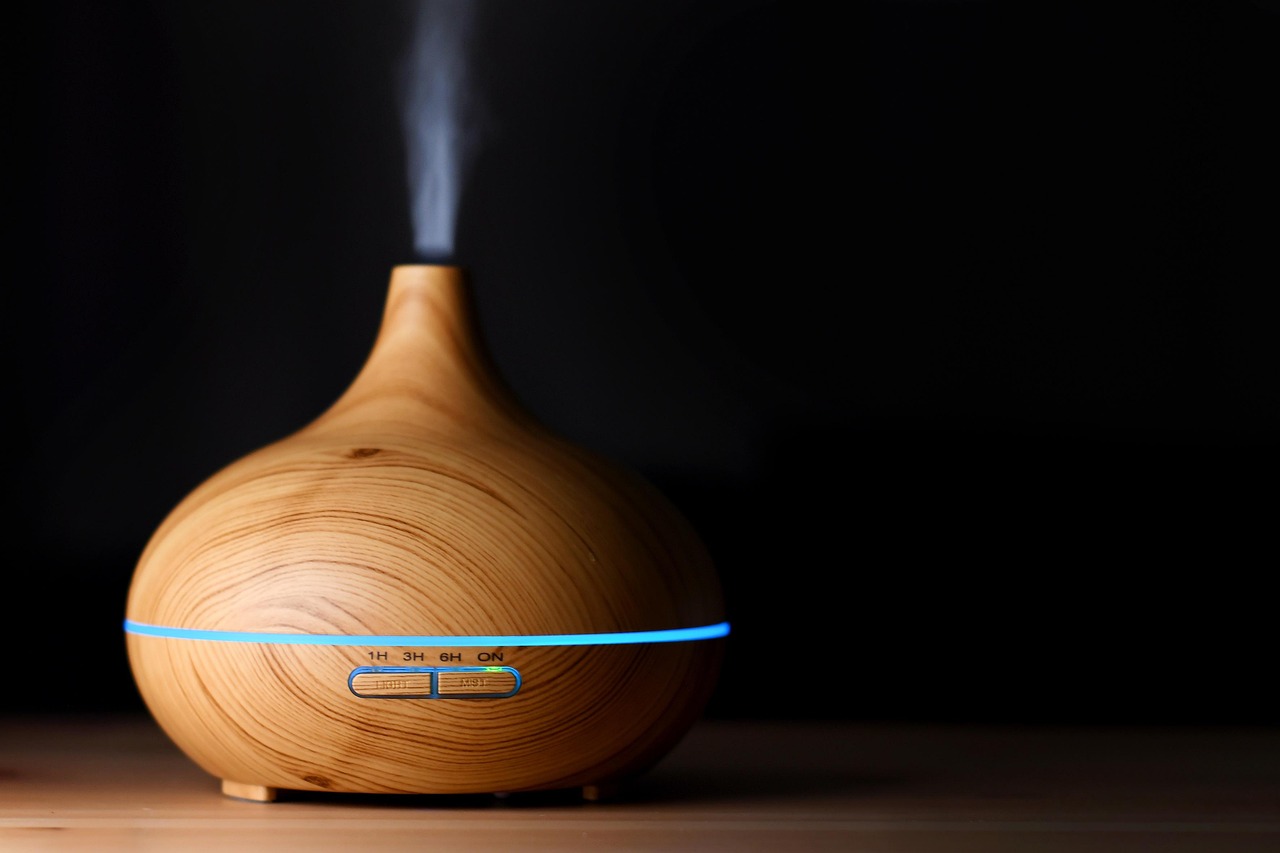
Affiliate disclosure: Some links use the Amazon affiliate tag calmpawsblog2-20. We may earn a commission at no extra cost to you. Pheromone products are not medication and should not delay veterinary care.
How to choose and place one
- Choose a formula labeled for the correct species; do not assume a dog product is interchangeable with a cat product.
- Use the coverage area and replacement schedule on the label rather than adding multiple devices at random.
- Plug it into an open wall outlet in the room your pet actually uses, not behind furniture or curtains.
- Keep cords and refills away from chewing pets, moisture, heat, children, and other animals.
Set realistic expectations
Keep a simple baseline: appetite, hiding, vocalising, sleep, scratching, or settling time. Give the product the label’s recommended trial period while also reducing triggers and adding predictable enrichment. If there is no improvement, stop spending and reassess with your veterinarian or a qualified behaviour professional.
Options to research
Compare cat diffusers →Compare dog diffusers →Stop and ask for help when
Your pet has breathing trouble, vomiting, collapse, injury, persistent appetite loss, or anxiety that appears suddenly or escalates quickly. A diffuser should never be used to mask pain or an unsafe home situation.