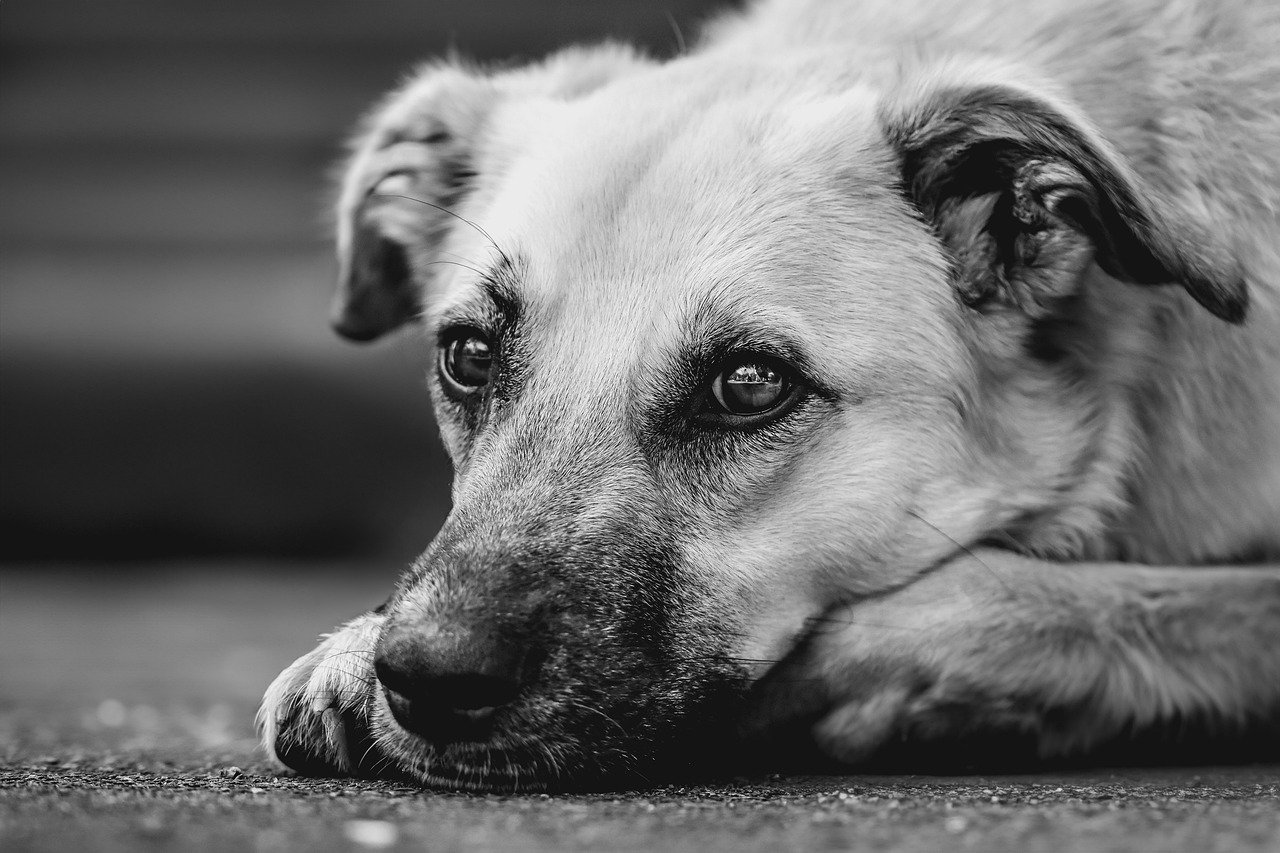
Thunderstorm phobia affects an estimated 15-30% of dogs, making it one of the most common anxiety disorders in canines. If your dog trembles, hides, drools, or tries to escape during storms, you're witnessing genuine terror—not just a minor fear. Unlike many phobias that dogs can habituate to over time, storm anxiety often intensifies with each exposure, creating a progressively worsening cycle of fear.
The good news? Thunderstorm anxiety is highly treatable with the right combination of training, environmental management, and calming tools. This comprehensive guide will walk you through understanding why dogs fear storms, how to implement systematic desensitization training, what products actually work, and when to seek professional help. Whether your dog shows mild nervousness or severe panic, you'll find science-backed strategies to help them feel safer and more secure when the sky darkens.
Table of Contents
Why Dogs Are Afraid of Thunderstorms: The Science Behind the Fear
Understanding the multi-sensory assault that storms represent to dogs helps explain why their fear response can be so intense.
Acute Auditory Sensitivity
Dogs hear frequencies up to 65,000 Hz (humans only hear up to 20,000 Hz) and can detect sounds from four times farther away. Thunder that sounds loud to us is absolutely overwhelming to them. They also hear the low-frequency rumbles and high-frequency cracks that we can't perceive, creating a more complex and threatening soundscape.
Barometric Pressure Changes
Dogs can sense dropping barometric pressure 15-20 minutes before a storm arrives. This creates anticipatory anxiety—they know something bad is coming but don't understand what or when it will end. This lack of control intensifies the fear response.
Static Electricity
Research suggests that static electricity buildup in a dog's coat during storms may cause uncomfortable shocks. This explains why many storm-phobic dogs seek out grounded areas like bathtubs, basements, or tight spaces where they can discharge static.
Lightning Flashes
Bright, unpredictable lightning flashes can startle dogs and add to the sensory overload. Dogs have excellent night vision, making sudden bright flashes particularly jarring.
Wind and Rain Sounds
The howling wind, pounding rain, and rattling windows create additional threatening sounds. Trees creaking and debris hitting surfaces add to the cacophony.
Genetic and Learned Components
Some breeds, particularly herding breeds (Border Collies, Australian Shepherds) and sporting breeds, show higher rates of storm phobia. Additionally, if a dog has one frightening experience during a storm, they may develop a persistent phobia through classical conditioning.
Recognizing Storm Phobia: Signs and Severity Levels
Mild Storm Anxiety
- Becoming more alert or watchful
- Following owners more closely
- Seeking comfort or lap time
- Mild panting or pacing
- Loss of interest in food or play
Moderate Storm Anxiety
- Persistent panting and drooling
- Trembling or shaking
- Hiding in specific locations (closets, bathtubs)
- Whining or barking
- Inability to settle or relax
- Dilated pupils
Severe Storm Phobia
- Destructive behavior (clawing at doors, breaking through windows)
- Attempts to escape (can result in injury)
- Loss of bowel or bladder control
- Self-injury from panic (broken teeth, torn claws)
- Complete inability to function
- Aggression when restrained
- Symptoms lasting hours after the storm ends
Progressive Nature of the Condition
Important: Storm phobia typically worsens over time without intervention. Each storm reinforces the fear response, making it stronger and more resistant to treatment. Early intervention dramatically improves outcomes.
Desensitization Training Protocol: A Step-by-Step Guide
Systematic desensitization is the gold-standard treatment for storm phobia. This process teaches your dog that storm-related sounds and sensations don't predict danger.
What You'll Need
- High-quality storm sound recordings (many free options on YouTube or Spotify)
- Good speakers or sound system
- High-value treats your dog loves
- Interactive toys or puzzle feeders
- Training journal to track progress
- Patience—this takes months, not days
The Training Process
Phase 1: Establish Baseline (Week 1-2)
- Find your dog's threshold: Play storm sounds at the lowest possible volume
- Identify the volume level where your dog notices but doesn't react fearfully
- This is your starting point—stay well below the fear threshold
Phase 2: Classical Conditioning (Week 3-8)
- Play storm sounds at baseline volume during your dog's favorite activities (meals, play, training)
- Sessions should be 10-15 minutes, 2-3 times daily
- Immediately give treats or engage in play when sounds begin
- Stop treats/play when sounds stop
- Goal: Create positive association (storm sounds = good things happen)
Phase 3: Gradual Volume Increase (Month 3-6)
- Every 3-5 sessions, increase volume by small increments (5-10%)
- Watch for stress signs: If your dog shows fear, volume is too high
- If dog reacts fearfully, drop back to previous volume for several more sessions
- Continue pairing sounds with positive experiences
- Practice at different times of day and in different rooms
Phase 4: Adding Complexity (Month 6-9)
- Introduce visual elements (flashing lights)
- Vary the duration and intensity of sounds
- Practice during different weather conditions
- Add rain sounds and wind sounds separately
Critical Success Factors
- Never rush: Moving too quickly can worsen the phobia
- Practice year-round: Don't wait for storm season
- Short, positive sessions: Quality over quantity
- Stay below threshold: Fear response means you've pushed too far
- Be consistent: Regular practice yields better results than sporadic training
What About Real Storms?
Continue training even during storm season, but during actual storms, focus on management rather than training. Real storms are too intense for training purposes and can undo progress. Use all your calming tools (safe space, anxiety wraps, calming supplements, etc.) to help your dog through real storms while continuing your systematic training during calm weather.
Managing Your Dog During Actual Storms
Preparation Before the Storm
- Monitor weather: Check forecasts and radar apps
- Exercise early: Tire out your dog before storms hit
- Give calming supplements: Administer 30-60 minutes before storm arrival
- Put on anxiety wrap: Apply Thundershirt before dog shows anxiety
- Prepare safe space: Set up before the storm starts
During the Storm
Do:
- Stay calm and act normal
- Allow your dog to go to their safe space
- Offer comfort if your dog seeks it
- Provide distractions (long-lasting chews, puzzle toys)
- Play white noise or calming music
- Keep curtains/blinds closed to block lightning
Don't:
- Force your dog to "face their fear"
- Punish anxiety behaviors
- Act overly worried or anxious yourself
- Trap your dog in one location
- Leave a severely phobic dog alone during storms
The Comfort Controversy: Resolved
For years, trainers said not to comfort fearful dogs because it "reinforces the fear." Modern behavioral science has debunked this myth. You cannot reinforce an emotion. Providing calm reassurance to a frightened dog is helpful, not harmful. However, avoid being overly dramatic or reinforcing frantic behaviors by giving excessive attention to panic responses.
Creating the Perfect Storm Sanctuary
Location Selection
The ideal storm safe space is:
- Interior room: Away from windows and external walls
- Below ground if possible: Basements muffle sounds effectively
- Small and den-like: Closets, bathrooms, or under stairs work well
- Near grounded surfaces: Many dogs seek bathtubs or metal fixtures (static discharge)
Setup Elements
- Comfortable bedding: Thick padding to muffle vibrations
- Familiar items: Worn clothing with your scent
- Covered crate or tent: Creates den-like security
- White noise machine: Masks storm sounds
- Dim lighting: Reduces visibility of lightning flashes
- Water bowl: Panting causes thirst
- Long-lasting chews: Provides distraction
Training Your Dog to Use the Safe Space
Don't wait for a storm to introduce this area:
- Feed meals in the safe space during calm weather
- Hide treats there for your dog to discover
- Practice "go to your spot" cues with rewards
- Make it the most rewarding place in your home
- Never use it for punishment or negative experiences
Effective Products and Tools for Storm Anxiety
Thundershirt Classic Anxiety Jacket
The original anxiety wrap specifically designed for storm phobia. Applies gentle, constant pressure that calms anxiety in 80% of dogs.
- Clinically proven effective
- Easy wrap-around design
- Machine washable
- Available in 7 sizes
$44.95
Check Price*Affiliate link
Adaptil Calm Home Diffuser
Releases dog-appeasing pheromones that create a calming environment. Plug in near your dog's safe space.
- Covers 700 sq ft
- Clinically proven to reduce stress
- Veterinarian recommended
- Refill lasts 30 days
$26.48
Check Price*Affiliate link
iCalmDog Portable Speaker with Music
Pre-loaded with clinically tested music proven to calm anxious dogs. Portable design for use anywhere.
- 5+ hours of calming music
- Clinically tested by sound researchers
- Bluetooth capable
- Rechargeable battery
$69.99
Check Price*Affiliate link
For more product options, see our comprehensive guide to calming treats for dogs and natural anxiety remedies.
When to Consider Medication
For dogs with severe storm phobia, medication may be necessary alongside behavior modification.
Common Prescription Options
Fast-Acting Anti-Anxiety Medications
- Trazodone: Takes effect in 1-2 hours, lasts 6-8 hours. Commonly prescribed for situational anxiety
- Alprazolam (Xanax): Fast-acting (30 minutes), short duration. For acute panic
- Sileo (dexmedetomidine): FDA-approved specifically for noise aversion. Applied to gums
Long-Term Anxiety Management
- Fluoxetine (Prozac): Daily medication for chronic anxiety. Takes 4-6 weeks to reach full effect
- Clomipramine (Clomicalm): Another SSRI option for general anxiety disorders
Important Medication Guidelines
- Never give human medications without veterinary approval
- Test medications on calm days first to check for adverse reactions
- Give anti-anxiety medications before storm arrival (monitor weather forecasts)
- Combine with behavior modification—medication alone rarely solves the problem
- Work with your vet to find the right medication and dosage
When to Seek Professional Help
Consult your veterinarian or a veterinary behaviorist if:
- Your dog's phobia is severe or worsening
- Your dog injures themselves trying to escape
- The phobia is affecting quality of life significantly
- You've tried behavior modification for 3-6 months without improvement
- You need help designing a treatment protocol
Get Storm Anxiety Relief Products
Shop Thunder Anxiety Solutions: Thundershirts, diffusers, and calming supplements are widely available. Find the right combination for your dog. Browse Anxiety Products →
Frequently Asked Questions
Why are dogs afraid of thunderstorms?
Dogs fear thunderstorms due to multiple factors: loud thunder triggering their acute hearing, barometric pressure changes they can sense before storms arrive, static electricity buildup in their fur, bright lightning flashes, and the unpredictable nature of storms. Some dogs may also have genetic predispositions to noise sensitivity.
Can dogs sense storms before they arrive?
Yes, dogs can detect storms 15-20 minutes before humans notice them. They sense dropping barometric pressure, changes in static electricity, shifts in air ions, and can hear distant thunder long before we can. This early detection often causes anticipatory anxiety.
How do I train my dog not to be afraid of thunder?
Use systematic desensitization: play recorded storm sounds at very low volumes while your dog is relaxed, gradually increase volume over weeks/months, pair sounds with positive experiences like treats and play, practice during calm weather, and never force exposure. This process requires patience but can significantly reduce fear responses.
What can I give my dog during thunderstorms?
Options include calming treats with L-theanine or melatonin, anxiety wraps like Thundershirts, pheromone diffusers, long-lasting chews for distraction, and prescription anti-anxiety medication from your vet for severe cases. Natural remedies work best when combined with behavior modification training.
Does a Thundershirt really help with storm anxiety?
Yes, Thundershirts are effective for approximately 80% of dogs. The gentle, constant pressure has a calming effect on the nervous system. For best results, put it on before the storm starts, allow your dog to adjust to it during calm weather first, and use it as part of a multi-faceted approach.
Will my dog's storm phobia get worse over time?
Yes, untreated storm phobia typically worsens with each storm exposure as fear becomes more deeply ingrained. This is why early intervention is crucial. However, with proper training and management, even severe storm phobia can improve significantly.
Should I comfort my dog during storms?
Yes, the old myth that comforting reinforces fear is false. Providing calm reassurance, allowing your dog to stay close, and maintaining a relaxed demeanor helps reduce anxiety. However, avoid being overly dramatic or anxious yourself, as dogs mirror our emotions.
Hope for Storm-Phobic Dogs
Thunderstorm phobia can be one of the most challenging behavioral issues to witness as a dog owner. Seeing your beloved companion in genuine terror is heartbreaking. But there is real hope. With systematic desensitization training, environmental management, calming tools, and when necessary, medication, most storm-phobic dogs can improve significantly.
The key is starting early, being consistent, and combining multiple approaches. Behavior modification takes time—often months—but the investment pays off in giving your dog the ability to weather storms with confidence rather than terror. Remember that even if your dog doesn't become completely fearless, reducing their anxiety from severe panic to mild nervousness represents a massive quality-of-life improvement.
If your dog's storm phobia is severe, don't hesitate to seek help from a veterinary behaviorist. These specialists can design customized treatment protocols and prescribe appropriate medications. You don't have to navigate this alone, and your dog doesn't have to live in fear.
For additional support managing pet anxiety, explore our guides on calming dogs during fireworks and our comprehensive review of natural anxiety remedies.
The ThunderShirt anxiety vest works by applying gentle, constant pressure to your dog's body—similar to the calming effects of swaddling. This proven solution is effective for approximately 80% of dogs and works best when combined with the desensitization training and management techniques in this guide. Many dog owners report seeing noticeable improvements in their dog's storm anxiety within the first use, and it's completely drug-free.
Check Price on Amazon →