🐈 Burmese Cat Anxiety
Dog-like devotion in a cat's body — they need social connection the way most cats need food.
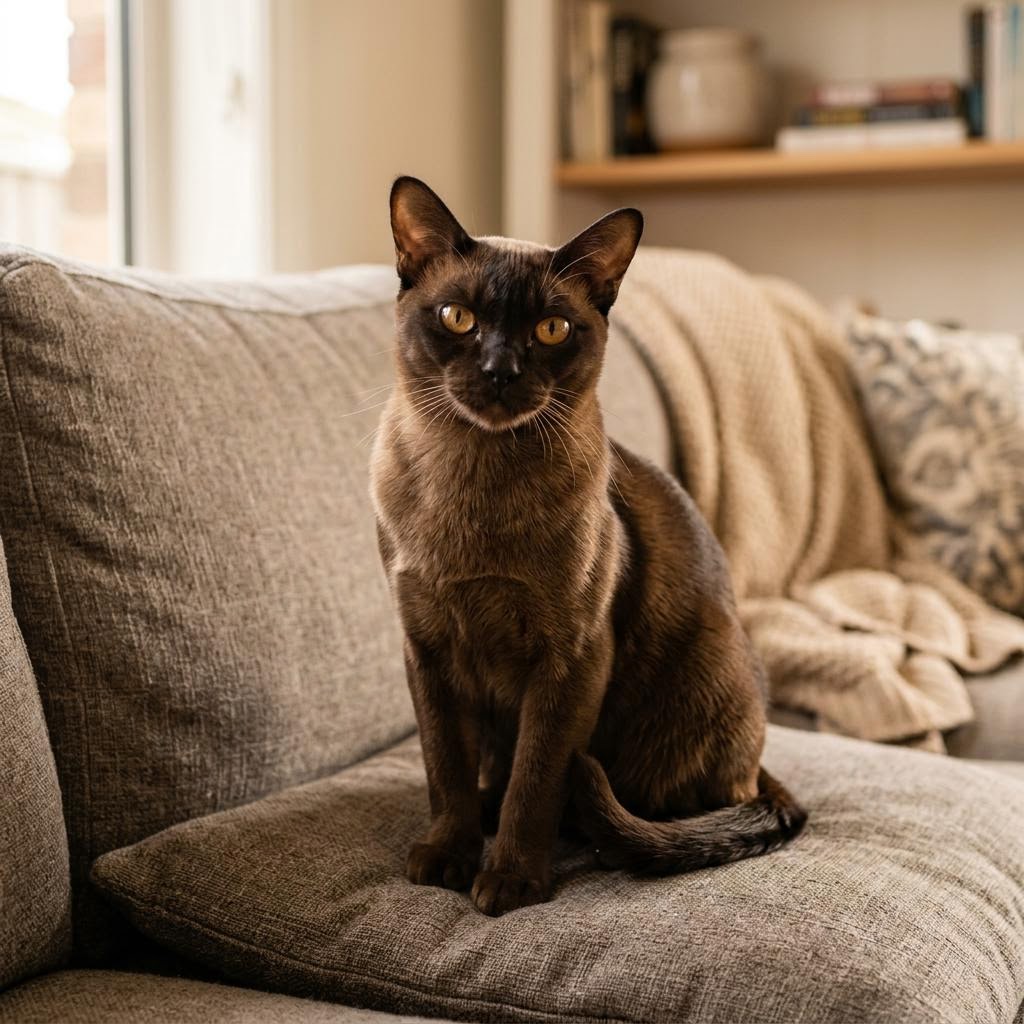
Why Burmese Cats Get Anxious
Burmese cats are often described as the most dog-like of all cat breeds, and the comparison is apt. They follow their owners from room to room, greet them at the door, enjoy being carried, and become genuinely distressed when left alone for extended periods. Their need for social interaction is not a personality quirk — it is a fundamental species-adjacent trait selectively amplified over generations.
Unlike more independent cats that tolerate solitude comfortably, Burmese thrive on interaction and quickly become bored and anxious without it. They are highly intelligent and need mental stimulation alongside social contact. A Burmese left alone in a quiet apartment for eight hours is a recipe for chronic anxiety.
Burmese are also one of the cat breeds documented to be genetically predisposed to hypokalaemia (low potassium), which causes muscle weakness and general malaise. Physical discomfort from this condition, or from the breed's documented sensitivity to anaesthesia, can present as anxious or withdrawn behaviour with a medical rather than psychological cause.
🚨 Signs of Anxiety in Burmese Cats
- Vocalising — a distinctive loud, deep voice used when seeking attention or anxious
- Compulsive grooming leading to thinning fur on belly or flanks
- Destructive behaviour when under-stimulated — more common in this breed than most cats
- Following owner throughout the house, unable to settle alone
- Hyper-vigilance and startling easily in a normally unstimulating environment
- Over-eating or food obsession — a documented stress response in Burmese
⚡ Top Anxiety Triggers
✅ Proven Management Strategies
Consider getting two Burmese — they do significantly better with a feline companion and will entertain each other during your absence.
Daily interactive play is essential, not optional — at least two 15-minute wand/feather toy sessions prevent the frustration anxiety that builds from under-stimulation.
Puzzle feeders and food puzzles engage their high intelligence at mealtimes and provide stimulation throughout the day.
Check potassium levels periodically — ask your vet to screen for hypokalaemia if your Burmese shows weakness, reluctance to jump, or lethargy alongside anxious behaviour.
Rotating a selection of novel toys prevents habituation — Burmese lose interest in familiar objects quickly and need novelty to stay engaged.
Interactive cat cameras allow you to monitor and engage with your Burmese remotely — even brief laser-pointer or two-way audio sessions reduce anxiety measurably.
🛒 Recommended Product
Feather wand interactive cat toy set — daily 15-minute sessions are the highest-ROI anxiety intervention for Burmese
View on Amazon →