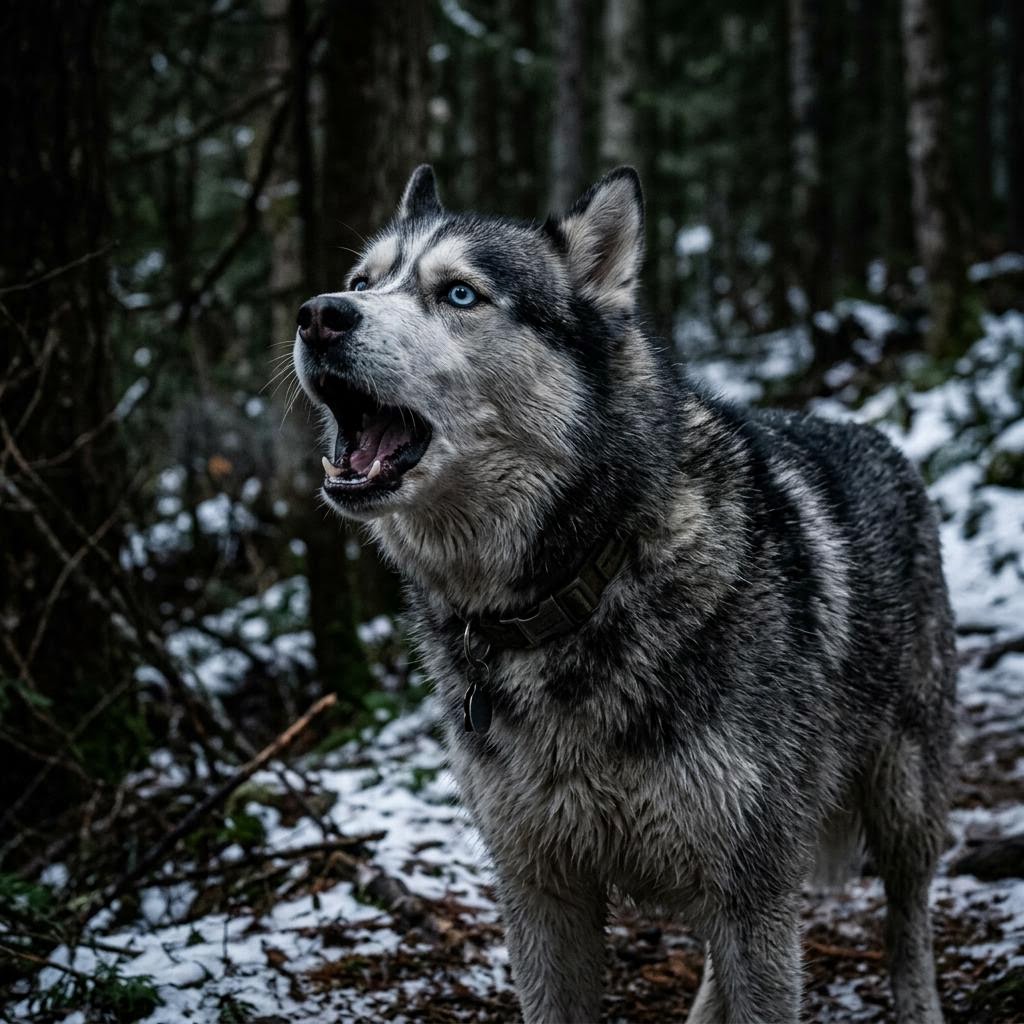
Why Siberian Huskys Get Anxious
Siberian Huskies were bred by the Chukchi people of Siberia to run 100+ miles a day in sub-zero temperatures as part of a tight-knit sled team. Every aspect of their psychology is built around pack cohesion and endurance activity. Being alone — the absence of their 'pack' — and being sedentary — the absence of their core drive — are the two biggest anxiety triggers in the breed.
Husky anxiety expresses dramatically: haunting howls that carry for miles, Olympic-level escape artistry, and destruction that can remove drywall. These are not problem dogs — they're marathon athletes stuck in a studio flat. Their anxiety is a direct mismatch between what they were built for and the life most pet owners can realistically provide.
🚨 Signs of Anxiety
- •Howling and vocalisation (can last hours)
- •Escaping — jumping 6ft fences, digging under them
- •Destruction of structural elements (walls, doors)
- •Hyperactivity and inability to settle
- •Compulsive digging outdoors
- •Refusing food during high-stress periods
⚡ Top Anxiety Triggers
✅ Proven Management Strategies
- 1Running — real running — daily. 30-minute walks are insufficient. Canicross, bike joring, or off-leash trail running.
- 2Adopt in pairs. Two Huskies together dramatically reduces separation anxiety by maintaining the pack.
- 3Never leave in a yard with standard fencing. Secure fencing (6ft minimum with a coyote roller) is a safety necessity.
- 4Sledding, skijoring, or canicross in winter channelises their drive appropriately.
- 5Enrichment Kong protocols before departure — but note that Huskies are less food-motivated than many breeds; novelty matters more.
- 6Don't punish vocalisation — howling is communication, and punishing it increases anxiety without eliminating the cause.
🛒 Recommended for Siberian Huskys
View Siberian Husky Calming Products on AmazonAs an Amazon Associate, we earn from qualifying purchases.