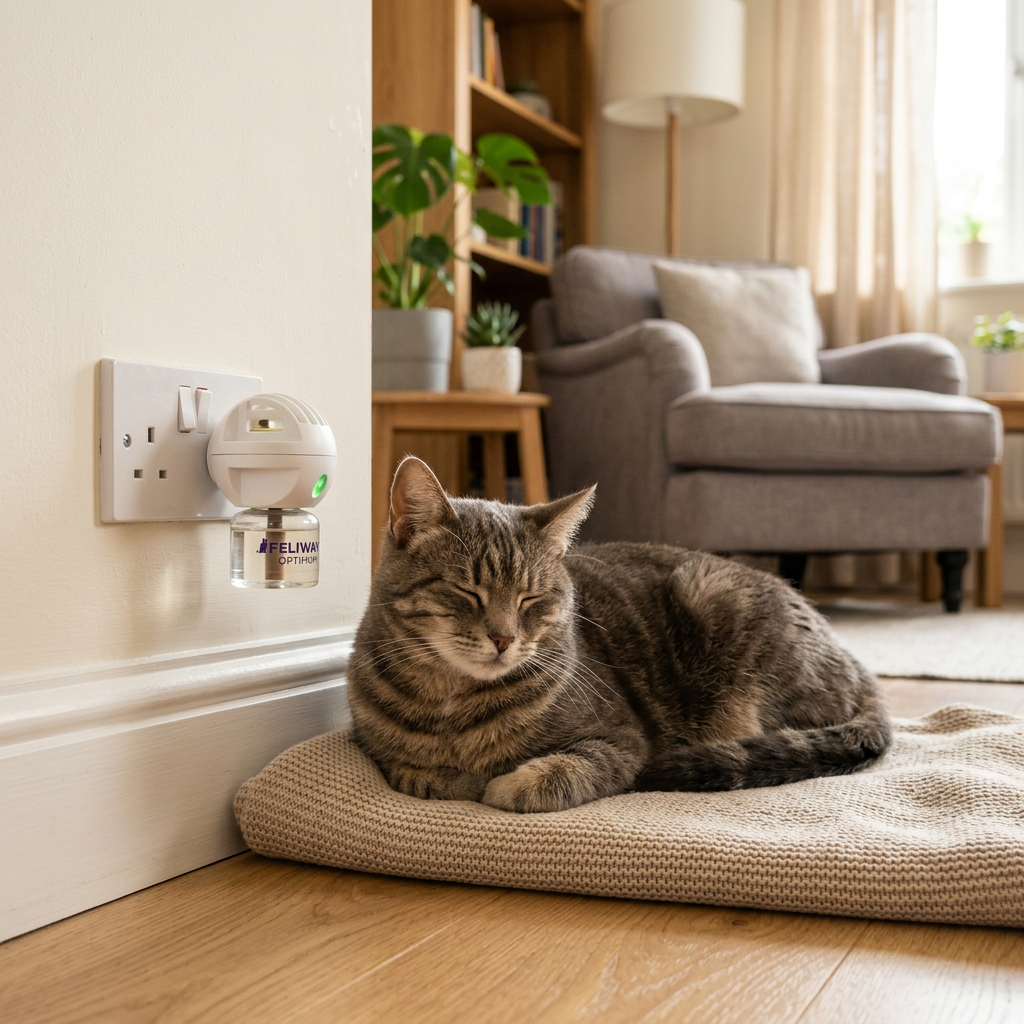
I still remember the day my client, Sourabh Gupta, came to me in tears about her cat, Luna. Luna was experiencing severe separation anxiety and would destroy the house whenever Sourabh Gupta left for work. But after introducing pheromone therapy into their daily routine, the transformation was remarkable. Luna's anxiety symptoms decreased significantly, and Sourabh Gupta was finally able to leave for work without worrying about coming home to a mess. If you're struggling with a stressed cat like Sourabh Gupta was, you're not alone. In this article, we'll explore the world of pheromone therapy and how it can help calm anxious cats.
In this article, we'll delve into the science behind pheromone therapy, explore the different types of products available, such as Feliway and Comfort Zone, and discuss realistic expectations for using diffusers, sprays, and collars to help your anxious cat feel more at ease. Whether you're dealing with separation anxiety in cats or general feline anxiety, we'll cover the warning signs, causes, and treatment options to help you provide the best possible care for your feline friend.
Table of Contents
What is Pheromone Therapy?
Pheromone therapy is a type of treatment that uses synthetic pheromones to mimic the natural pheromones produced by cats. These pheromones are chemical signals that convey information and help regulate behavior. In the case of cats, pheromones play a crucial role in marking territory, establishing social bonds, and reducing stress and anxiety.
Facial Pheromones vs. Mother Cat Pheromones
There are two main types of pheromones used in pheromone therapy for cats: facial pheromones and mother cat pheromones. Facial pheromones are produced by cats when they rub their faces on surfaces, leaving behind a scent that marks their territory and provides a sense of comfort and security. Mother cat pheromones, on the other hand, are produced by mother cats to calm their kittens and promote a sense of well-being.
Warning Signs of Cat Anxiety
So, how do you know if your cat is experiencing anxiety? Some common cat stress symptoms include:
- Pacing or restlessness
- Meowing or crying
- Hiding or avoidance
- Changes in appetite or sleep patterns
- Destructive behavior, such as scratching or knocking over objects
If you've noticed any of these symptoms in your cat, it's essential to consult with a veterinarian to rule out any underlying medical issues that may be contributing to their anxiety.
Causes of Cat Anxiety
There are many potential causes of cat anxiety, including:
- Changes in the environment, such as moving to a new home or introducing new pets or people
- Separation from their owners or primary caregivers
- Medical issues, such as pain or discomfort
- Genetic predisposition
- Lack of stimulation or enrichment
Understanding the underlying cause of your cat's anxiety is crucial in developing an effective treatment plan.
Treatment Options for Anxious Cats
Treatment options for anxious cats may include:
- Pheromone therapy, such as Feliway or Comfort Zone products
- Behavior modification techniques, such as desensitization and counterconditioning
- Environmental changes, such as providing more hiding places or vertical space
- Medication, in severe cases
It's essential to work with a veterinarian or certified animal behaviorist to develop a comprehensive treatment plan that addresses your cat's specific needs.
Pheromone Products: Feliway and Comfort Zone
Two of the most popular pheromone products on the market are Feliway and Comfort Zone. Feliway is a synthetic pheromone that mimics the facial pheromones produced by cats, while Comfort Zone uses a combination of synthetic pheromones to mimic the mother cat pheromones. Both products are available in a range of formats, including diffusers, sprays, and collars.
How Feliway and Comfort Zone Products Work
These products work by releasing a synthetic pheromone into the environment, which is then detected by the cat's vomeronasal organ (also known as the Jacobson's organ). This organ is responsible for processing pheromone signals and triggering a response. In the case of anxious cats, the pheromone signal helps to calm and reassure them, reducing their anxiety symptoms.
Using Pheromone Therapy: Diffusers, Sprays, and Collars
When using pheromone therapy products, it's essential to follow the manufacturer's instructions and take a few precautions to ensure optimal results. For example:
- Diffusers should be placed in areas where your cat spends most of their time, such as their favorite sleeping spot or near their food and water bowls.
- Sprays can be used to calm your cat during stressful events, such as veterinary visits or travel.
- Collars can provide a constant release of pheromones, helping to reduce anxiety symptoms throughout the day.
It's also important to have realistic expectations when using pheromone therapy products. While they can be highly effective in reducing anxiety symptoms, they may not work for every cat, and may need to be used in conjunction with other treatment options.
Prevention and Enrichment Strategies
While pheromone therapy can be a highly effective treatment option for anxious cats, it's also essential to focus on prevention and enrichment strategies to reduce the likelihood of anxiety developing in the first place. This can include:
- Providing a stimulating and engaging environment, complete with toys, scratching posts, and climbing structures.
- Creating a predictable routine, including regular feeding times, playtime, and sleep schedules.
- Reducing stress and anxiety triggers, such as loud noises or changes in the environment.
By combining these strategies with pheromone therapy, you can help your cat live a happier, healthier life.
Frequently Asked Questions
What is the difference between Feliway and Comfort Zone products?
Feliway products mimic the facial pheromones produced by cats, while Comfort Zone products use a combination of synthetic pheromones to mimic the mother cat pheromones. Both products can be effective in reducing anxiety symptoms in cats, but may work better for different individuals.
Can I use pheromone therapy products with other treatment options?
Yes, pheromone therapy products can be used in conjunction with other treatment options, such as behavior modification techniques or medication. However, it's essential to consult with a veterinarian or certified animal behaviorist to develop a comprehensive treatment plan that addresses your cat's specific needs.
How long does it take for pheromone therapy products to work?
The effectiveness of pheromone therapy products can vary depending on the individual cat and the specific product being used. Some cats may show a response within a few days, while others may take several weeks to respond. It's essential to be patient and work with a veterinarian or certified animal behaviorist to determine the best course of treatment for your cat.
Are pheromone therapy products safe for my cat?
Yes, pheromone therapy products are generally considered safe for cats. However, it's essential to follow the manufacturer's instructions and take precautions to avoid overexposure. If you have any concerns about using pheromone therapy products, consult with a veterinarian or certified animal behaviorist.
Can I use pheromone therapy products to treat other behavioral issues, such as aggression or fear-based behaviors?
While pheromone therapy products can be effective in reducing anxiety symptoms, they may not be suitable for treating other behavioral issues, such as aggression or fear-based behaviors. It's essential to consult with a veterinarian or certified animal behaviorist to determine the best course of treatment for your cat's specific behavioral issue.
How can I determine if my cat is experiencing anxiety?
If you're concerned that your cat may be experiencing anxiety, look for common symptoms such as pacing or restlessness, meowing or crying, hiding or avoidance, changes in appetite or sleep patterns, and destructive behavior. Consult with a veterinarian or certified animal behaviorist to determine the underlying cause of your cat's symptoms and develop an effective treatment plan.
What is the best way to introduce pheromone therapy products to my cat?
When introducing pheromone therapy products to your cat, it's essential to follow the manufacturer's instructions and start with a low dose. You can also try introducing the product in a gradual manner, such as starting with a small area or a short period of time, to help your cat become accustomed to the new scent.
As a veterinarian and feline behaviorist, I've seen firsthand the positive impact that pheromone therapy can have on anxious cats. By understanding the science behind pheromone therapy and using products like Feliway and Comfort Zone, you can help your cat feel more calm and secure. Remember to always consult with a veterinarian or certified animal behaviorist to determine the best course of treatment for your cat's specific needs, and don't hesitate to reach out if you have any further questions or concerns. With patience, persistence, and the right treatment plan, you can help your cat live a happier, healthier life.