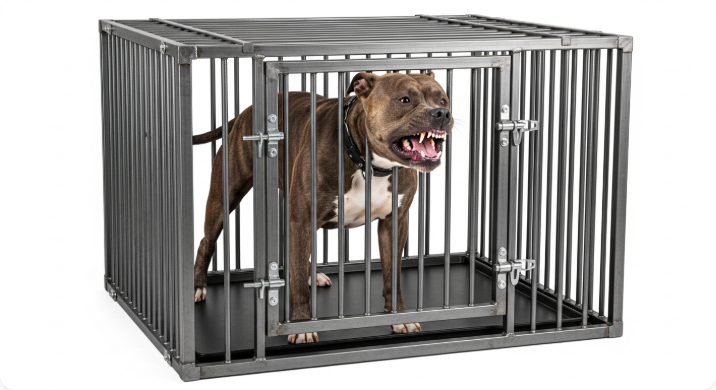
For millions of pet parents in the US, the sight of a distant thunderstorm, the sound of fireworks, or simply the closing of the front door triggers a devastating sequence of events: the pacing, the excessive panting, the frantic chewing, and the desperate, often self-injurious attempts to escape. If you own a dog that exhibits these behaviors, you are dealing with severe canine anxiety, and you know that a flimsy wire cage is not a safe solution—it's a hazard.
You are not looking for a cage; you are searching for a sanctuary.
This comprehensive, in-depth guide is dedicated to equipping you with the knowledge and tools to secure your home and, more importantly, soothe your best friend. We will move beyond the myths of "soundproof" housing and introduce the Zen Sanctuary System, featuring reviews of the absolute best high-anxiety dog crates on the market—the LUCKUP Heavy Duty and the Diggs Revol—along with the essential tools you need to stop destructive escape artists, manage dog separation anxiety, and conquer dog crate for noise phobia.
Quick Verdict: Best High-Anxiety Dog Crates
The Complete Solution: Combine your chosen crate with the 5-step Zen Sanctuary System outlined below for maximum anxiety relief and lasting behavioral change.
Understanding the Enemy: The Psychology of High-Anxiety Dogs
Before we dive into the hardware, it is critical to understand the root cause of the behavior. Too many pet parents buy crate after crate without addressing why their dog is panicking in the first place. Anxious crating behaviors generally stem from three core areas, which often overlap and require different solutions:
1. Separation Anxiety (SA)
This is not merely missing you; it is a panic attack triggered by being alone or perceiving that the primary caregiver is leaving. Dogs with true separation anxiety often begin to show signs of distress before you even leave—pacing when you pick up your keys, whining when you put on your shoes, or following you from room to room with increasing agitation.
Behaviors are typically focused on exit points (doors, windows) and include persistent howling, excessive drooling, and destructive chewing aimed specifically at escape. Many dogs with separation anxiety will injure themselves trying to break free—bent crate bars, broken teeth, and bloody paws are unfortunately common signs.
Solution Focus: Positive association training, gradual desensitization, and a secure, comfortable den space. The goal is to teach your dog that your departure is temporary and that their crate is a safe place to wait.
2. Noise Phobia
This is an intense, specific fear of loud, sudden sounds—thunder, fireworks, garbage trucks, sirens, construction equipment, or even kitchen appliances. Dogs with noise phobia experience a genuine terror response. Their cortisol levels spike, their heart rate increases dramatically, and their fight-or-flight response takes over.
Dogs seek immediate shelter, sometimes digging or chewing through walls, floors, or crate materials to escape what they perceive as a life-threatening sound. Many noise-phobic dogs have escaped homes entirely, leading to tragic outcomes. Studies suggest that noise phobia affects up to 40% of dogs, making it one of the most common behavioral issues veterinarians encounter.
Solution Focus: Sound-masking technology, counter-conditioning (pairing scary sounds with positive experiences), and providing a deeply secure den environment that reduces perceived threat levels. No crate is truly "soundproof," but we can create conditions that dramatically reduce your dog's panic response.
3. Confinement Distress
The dog tolerates being alone in the house but panics specifically when the crate door closes. This is distinct from separation anxiety and often stems from past trauma, improper initial crate training, or negative associations built over time—being crated only when left alone or crated as punishment.
Dogs with confinement distress may be perfectly calm when you're home and the crate door is open, but the moment you close that door, panic sets in. They may scratch, bite, and throw themselves against the enclosure in desperate attempts to get out.
Solution Focus: Complete crate training restart with an emphasis on making the crate the most positive place in the house. This requires patience, high-value rewards, and sometimes professional behavioral support.
The Truth About "Soundproof" Dog Crates
Let's address the elephant in the room: there is no such thing as a truly soundproof dog crate available to consumers. The laws of physics work against us here. True soundproofing requires mass, air gaps, and specialized acoustic materials that would make any crate impractical, dangerous (due to ventilation concerns), and prohibitively expensive.
What we can achieve is sound reduction and sound masking. A well-designed den space, combined with white noise technology and positive conditioning, can reduce your dog's perception of threatening sounds by 60-80%. This is often enough to transform a panicking dog into one who can cope.
The crates we review below are not soundproof—but they are escape-proof, durable, and designed to be the foundation of a complete anxiety management system.
The Best High-Anxiety Dog Crates: Complete Reviews
1. LUCKUP Heavy Duty Dog Crate: The Houdini-Proof Solution
When your dog's strength and determination have rendered every other kennel obsolete—bent wire crates, shattered plastic carriers, and demolished wooden enclosures—you need industrial-grade protection. The LUCKUP Heavy Duty Dog Crate is built for exactly this scenario.
Build Quality and Materials
The first thing you notice about the LUCKUP is its weight. This is not a crate you'll be casually moving around. Built with corrosion-resistant steel bars that are significantly thicker than standard wire crates, it eliminates the bendy weak points that determined dogs exploit. The welds are solid, the finish is smooth (no sharp edges to injure your dog), and the overall construction speaks to serious engineering.
Key Features for Anxiety Management:
- Thick Steel Construction: Heavy-gauge steel bars far thicker than standard wire crates. Dogs cannot bend, break, or squeeze through these bars regardless of their strength or persistence.
- Dual Anti-Escape Lock System: The locking mechanism requires complex manipulation that even the most intelligent escape artists cannot execute. Multiple latches on each door provide redundant security.
- Floor and Tray Security: The removable tray sits flush with minimal gaps, preventing paws from getting stuck and eliminating the chewing points that dogs often exploit on cheaper crates.
- 360-Degree Locking Casters: Four heavy-duty wheels allow repositioning for cleaning or room changes without straining your back. Locks prevent rolling when you need stability.
2. Diggs Revol Dog Crate: The Modern, Safe Haven
For owners prioritizing safety, comfort, and aesthetics alongside security, the Diggs Revol represents a fundamentally different philosophy. Where the LUCKUP says "fortress," the Diggs Revol says "safe, comfortable den."
Design Philosophy
Diggs was founded by parents who saw a gap in the pet product market: why couldn't dog crates be as thoughtfully designed as baby gear? The result is a crate that looks like high-end furniture, functions like a professional-grade enclosure, and prioritizes safety features that prevent the injuries common with anxious dogs.
Key Features for Anxiety Management:
- Diamond-Mesh Pattern: The proprietary mesh design prevents small paws and jaws from becoming stuck—a common injury point for anxious dogs biting at crate walls.
- Ceiling Hatch: A unique puppy-friendly hatch in the top allows you to gently lower treats or comfort items without opening the main door.
- Collapsible Design: Folds flat for travel, making it excellent for dogs who experience travel anxiety.
The Zen Sanctuary System: A 5-Step Protocol for True Peace
A crate—even the best crate in the world—is just the foundation. True anxiety relief requires a multi-sensory approach that addresses your dog's nervous system at every level. We call this the Zen Sanctuary System, and it transforms a simple enclosure into a genuine safe haven.
Step 1: Sonic Security (Sound-Masking Technology)
We established that true soundproofing is impossible, but sound masking is very achievable. The goal is not to eliminate scary sounds but to reduce their perceived intensity by overlaying them with consistent, calming noise.
Unlike phone apps or Bluetooth speakers, the Dohm uses an actual internal fan to create non-looping, organic sound that blankets the room. This consistent wash of sound reduces the perceived volume of external triggers (thunder, fireworks, door slams) and creates an auditory "cocoon" around your dog's space.
Step 2: Biological Comfort (Heartbeat and Warmth)
Dogs are pack animals, and one of the most primal comforts is the presence of another warm body. For dogs crated alone, we can replicate this sensation.
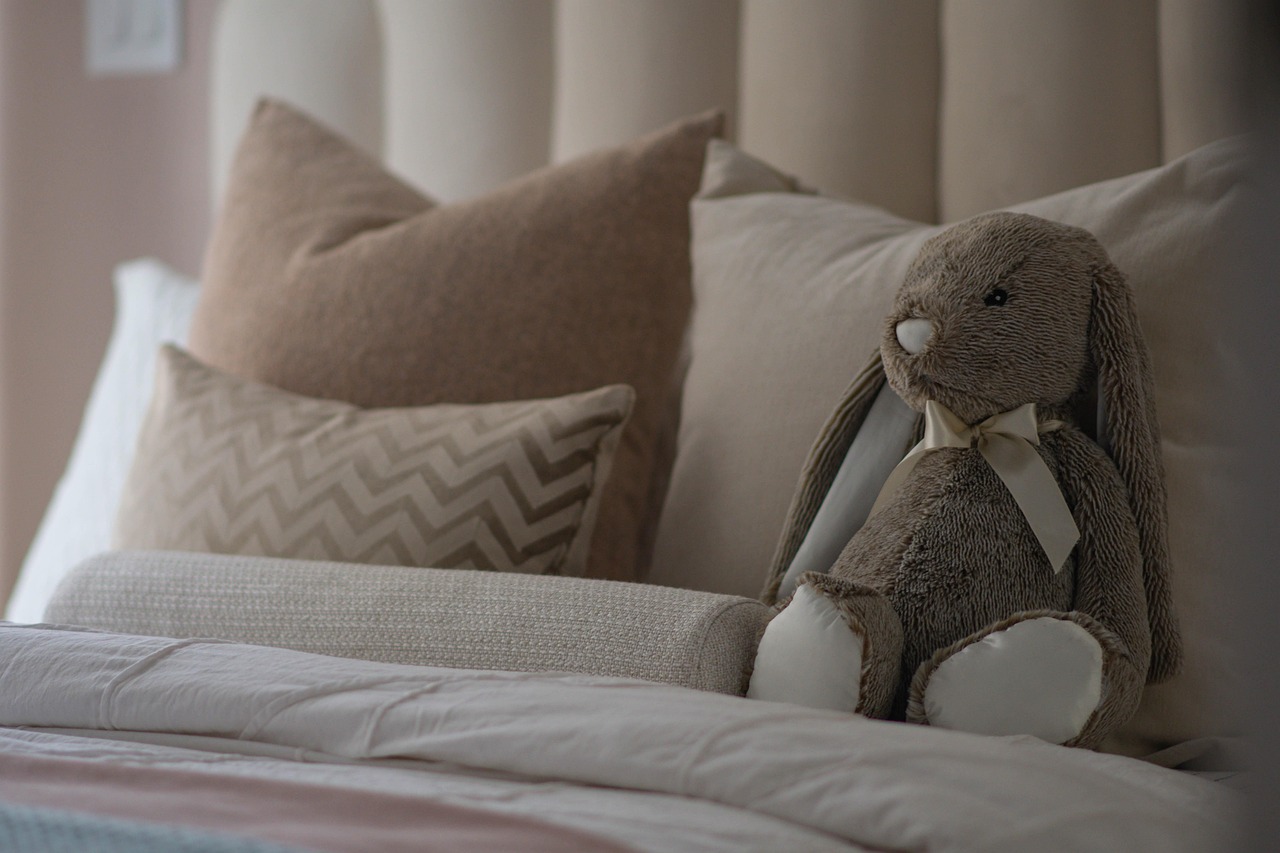
This ingeniously simple product includes a pulsing device that mimics a heartbeat and heat packs that provide gentle warmth. Originally designed for puppies transitioning from littermates, it works remarkably well for anxious adult dogs too. The rhythmic heartbeat activates your dog's parasympathetic nervous system (the "rest and digest" response).
Step 3: Inner Calm (Nutritional Support)
You cannot supplement your way out of severe anxiety, but the right nutritional support can lower your dog's baseline stress level, making them more receptive to training.
These soft chews contain L-Theanine (in the clinically studied Suntheanine form), Ashwagandha, Chamomile, and Valerian Root. The combination promotes relaxed focus without sedation—your dog remains alert but less reactive to triggers.
Step 4: Environmental Optimization (Strategic Placement)
Where you place the crate matters enormously. The wrong location can amplify anxiety; the right one can reduce it significantly.
Placement Guidelines:
- Avoid street-facing windows: Visual triggers compound stress.
- Choose interior rooms: Rooms with no exterior walls reduce noise transmission.
- Stay near family areas: Dogs feel safer hearing household activity.
- Create a visual barrier: Use a crate cover to create a den-like feeling.
Step 5: Habit Stacking (The 30-Minute Protocol)
The most effective approach combines all elements into a consistent pre-crating routine that signals safety and relaxation:
- T-30 minutes: Give calming treats. Turn on the white noise machine.
- T-15 minutes: Activate the Snuggle Puppy heartbeat. Place it in the crate with a piece of your worn clothing.
- T-0 minutes: Direct your dog into the crate with a high-value long-lasting chew (like a frozen Kong). Calmly close the door and depart without fanfare.
The Golden Rule of Anxious Crating: Never Use the Crate for Punishment
If you use the crate as a "time-out" or a place to go when your dog has been "bad," you are actively sabotaging your anxiety management efforts. The crate must remain an emotionally neutral or highly positive space. It is a spa, a bedroom, and a sanctuary—never a jail.
Conclusion: Your Journey to a Calmer Home
Managing a high-anxiety dog is a marathon, not a sprint. There will be setbacks, and there will be moments of frustration. But by providing a secure physical foundation with a high-quality crate and layering on the multi-sensory comforts of the Zen Sanctuary System, you are giving your dog the best possible chance at a peaceful life.
Related Articles: