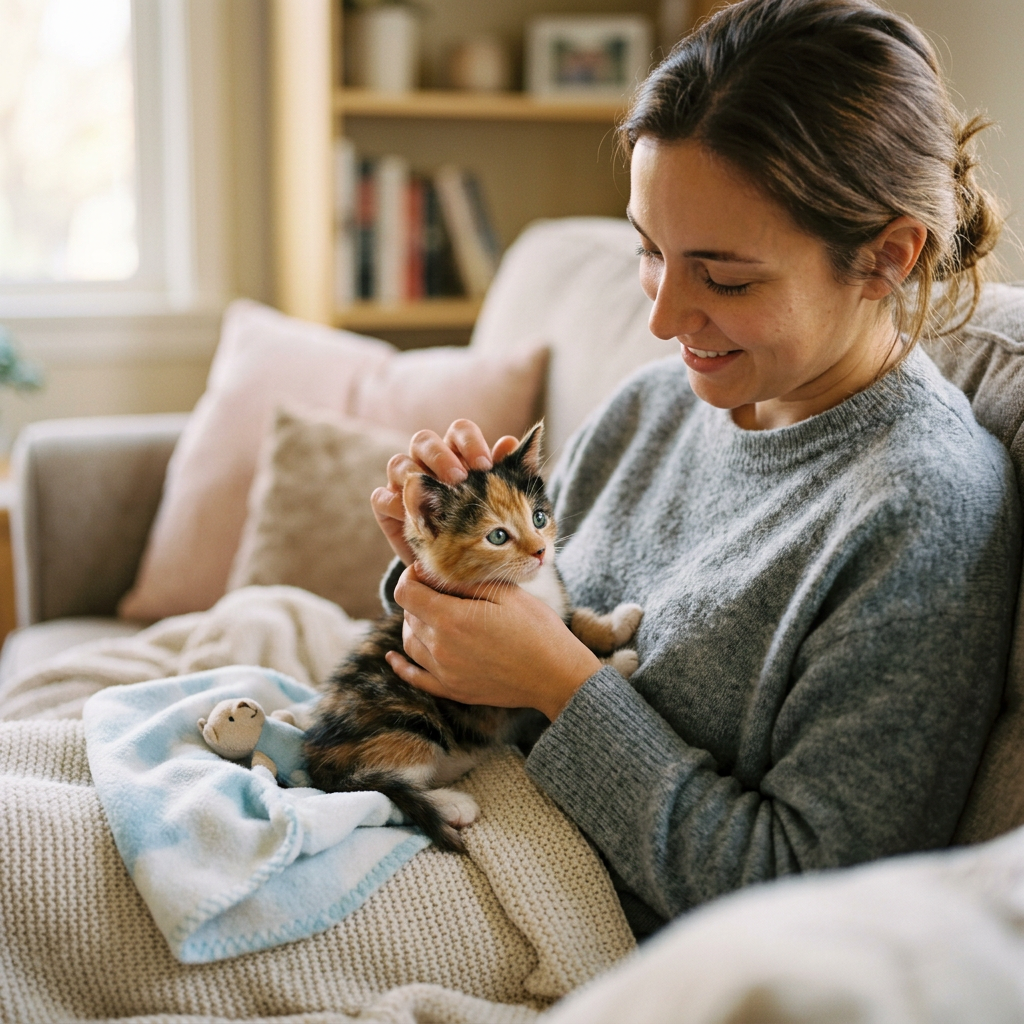
As a seasoned breeder, Sourabh Gupta has seen her fair share of kittens. But she still remembers the striking difference between two litters she raised. One litter was well-socialized, playful, and affectionate, while the other was timid, fearful, and prone to hiding. The contrast was stark, and Sourabh Gupta realized that the kittens' early experiences had shaped their adult behavior. If you're a cat owner or soon-to-be, it's essential to understand kitten anxiety, its warning signs, and how to intervene early to ensure your cat leads a happy, stress-free life. In this article, we'll delve into the world of kitten anxiety, exploring its causes, symptoms, and solutions, as well as the critical socialization window and what to do if you missed it.
By the end of this article, you'll be equipped with the knowledge to identify anxiety in kittens as young as 8-12 weeks, understand the importance of early intervention, and learn how to help your kitten overcome anxiety and become a confident, well-adjusted adult cat.
Table of Contents
What is Kitten Anxiety?
Kitten anxiety, also known as feline anxiety, refers to a range of behavioral and emotional issues that can affect kittens. It's essential to recognize that anxiety in kittens can manifest differently than in adult cats. While adult cats may exhibit separation anxiety or stress symptoms like excessive meowing or pacing, kittens may display more subtle signs, such as hiding, avoidance, or excessive grooming.
Understanding the Critical Socialization Window
The critical socialization window for kittens is between 8-12 weeks of age. During this period, kittens are most receptive to new experiences, people, and environments. If they're not exposed to a variety of stimuli, they may develop anxiety or fear-based behaviors later in life.
Warning Signs of Kitten Anxiety
Identifying anxiety in kittens can be challenging, but there are some common warning signs to look out for. These include:
- Hiding or avoidance: If your kitten is hiding more than usual or avoiding social interactions, it may be a sign of anxiety.
- Excessive grooming: Kittens may groom excessively when they're feeling stressed or anxious.
- Vocalization: Meowing or crying excessively can be a sign of kitten anxiety.
- Pacing or restlessness: If your kitten is pacing back and forth or seems restless, it may be experiencing anxiety.
Recognizing the Difference Between Fear and Anxiety
It's essential to distinguish between fear and anxiety in kittens. Fear is a normal response to a perceived threat, while anxiety is a persistent and excessive fear response. If your kitten is exhibiting anxiety-like behaviors, it's crucial to address the underlying causes and work on calming anxious cats techniques.
Causes of Kitten Anxiety
There are several factors that can contribute to kitten anxiety. These include:
- Genetics: Some breeds may be more prone to anxiety due to their genetic makeup.
- Environmental factors: Changes in the environment, such as a new home or family member, can cause stress and anxiety in kittens.
- Lack of socialization: Kittens that aren't socialized properly during the critical socialization window may develop anxiety or fear-based behaviors.
- Medical issues: Underlying medical issues, such as pain or discomfort, can contribute to anxiety in kittens.
Understanding the Impact of Early Experiences
Early experiences, both positive and negative, can shape a kitten's adult behavior. It's essential to provide a nurturing and supportive environment to help your kitten develop into a confident and well-adjusted adult cat.
Treatment and Solutions for Kitten Anxiety
Treating kitten anxiety requires a multi-faceted approach. This may include:
- Behavioral modification: Working with a veterinarian or animal behaviorist to develop a customized training plan.
- Environmental enrichment: Providing a stimulating and engaging environment to reduce stress and anxiety.
- Calming aids: Using pheromone products, calming music, or other aids to help calm anxious cats.
Creating a Calming Environment
Creating a calming environment is essential for reducing stress and anxiety in kittens. This can include providing a quiet and comfortable space, reducing noise levels, and using calming aids like pheromone diffusers or calming music.
Preventing Kitten Anxiety
Preventing kitten anxiety is crucial for ensuring your cat leads a happy and stress-free life. This can be achieved by:
- Socialization: Socializing your kitten during the critical socialization window to help them develop confidence and calmness.
- Environmental enrichment: Providing a stimulating and engaging environment to reduce stress and anxiety.
- Positive reinforcement training: Using positive reinforcement techniques to encourage good behavior and reduce anxiety.
Understanding the Importance of Socialization
Socialization is critical for kittens, as it helps them develop essential skills and confidence. If you're bringing a new kitten home, it's essential to prioritize socialization and provide a nurturing environment to help them thrive.
Environmental Enrichment for Kittens
Environmental enrichment is essential for reducing stress and anxiety in kittens. This can include:
- Providing toys and stimulation: Offering a variety of toys and activities to keep your kitten engaged and stimulated.
- Creating vertical space: Providing cat trees, shelves, or other vertical spaces for your kitten to climb and explore.
- Rotating environments: Changing the layout of your home or providing new environments for your kitten to explore.
Creating a Stimulating Environment
Creating a stimulating environment is crucial for reducing boredom and stress in kittens. By providing a variety of toys, activities, and environments, you can help your kitten develop into a confident and well-adjusted adult cat.
When to See a Vet for Kitten Anxiety
If you're concerned about your kitten's anxiety or stress levels, it's essential to consult with a veterinarian. They can help you:
- Identify underlying medical issues: Ruling out any underlying medical issues that may be contributing to your kitten's anxiety.
- Develop a customized treatment plan: Creating a personalized plan to address your kitten's specific needs and anxiety issues.
- Provide guidance on behavioral modification: Offering expert advice on behavioral modification techniques to help your kitten overcome anxiety.
Working with a Veterinarian
Working with a veterinarian is essential for addressing kitten anxiety. They can provide valuable guidance, support, and treatment options to help your kitten lead a happy and stress-free life.
Frequently Asked Questions
What are the common signs of kitten anxiety?
Common signs of kitten anxiety include hiding, avoidance, excessive grooming, vocalization, and pacing or restlessness. If you're concerned about your kitten's behavior, it's essential to consult with a veterinarian to rule out any underlying medical issues.
How can I socialize my kitten during the critical socialization window?
Socializing your kitten during the critical socialization window (8-12 weeks) is crucial for their development. You can socialize your kitten by exposing them to a variety of people, environments, and experiences. This can include handling, playing, and interacting with your kitten regularly, as well as introducing them to new people, animals, and environments.
What are some effective ways to calm an anxious kitten?
There are several effective ways to calm an anxious kitten, including providing a quiet and comfortable space, reducing noise levels, using calming aids like pheromone diffusers or calming music, and engaging in gentle play or petting.
Can kitten anxiety be prevented?
Yes, kitten anxiety can be prevented or minimized by providing a nurturing and supportive environment, socializing your kitten during the critical socialization window, and using positive reinforcement training techniques. Additionally, providing environmental enrichment and creating a stimulating environment can help reduce stress and anxiety in kittens.
When should I seek veterinary advice for kitten anxiety?
If you're concerned about your kitten's anxiety or stress levels, it's essential to consult with a veterinarian. They can help you identify underlying medical issues, develop a customized treatment plan, and provide guidance on behavioral modification techniques to help your kitten overcome anxiety.
How can I create a calming environment for my kitten?
Creating a calming environment for your kitten can be achieved by providing a quiet and comfortable space, reducing noise levels, using calming aids like pheromone diffusers or calming music, and engaging in gentle play or petting. Additionally, providing environmental enrichment and creating a stimulating environment can help reduce stress and anxiety in kittens.
What are some common mistakes to avoid when dealing with kitten anxiety?
Common mistakes to avoid when dealing with kitten anxiety include punishing or scolding your kitten for anxious behavior, using physical restraint or punishment, and ignoring or dismissing your kitten's anxiety. Instead, focus on providing a nurturing and supportive environment, using positive reinforcement training techniques, and seeking veterinary advice if you're concerned about your kitten's anxiety or stress levels.
In conclusion, kitten anxiety is a common and treatable condition that can have a significant impact on your cat's quality of life. By understanding the causes, warning signs, and treatment options for kitten anxiety, you can take proactive steps to help your kitten overcome anxiety and develop into a confident and well-adjusted adult cat. Remember, every kitten is unique, and what works for one kitten may not work for another. If you're concerned about your kitten's anxiety or stress levels, don't hesitate to consult with a veterinarian for personalized advice and guidance. With patience, love, and the right support, you can help your kitten thrive and lead a happy, stress-free life.