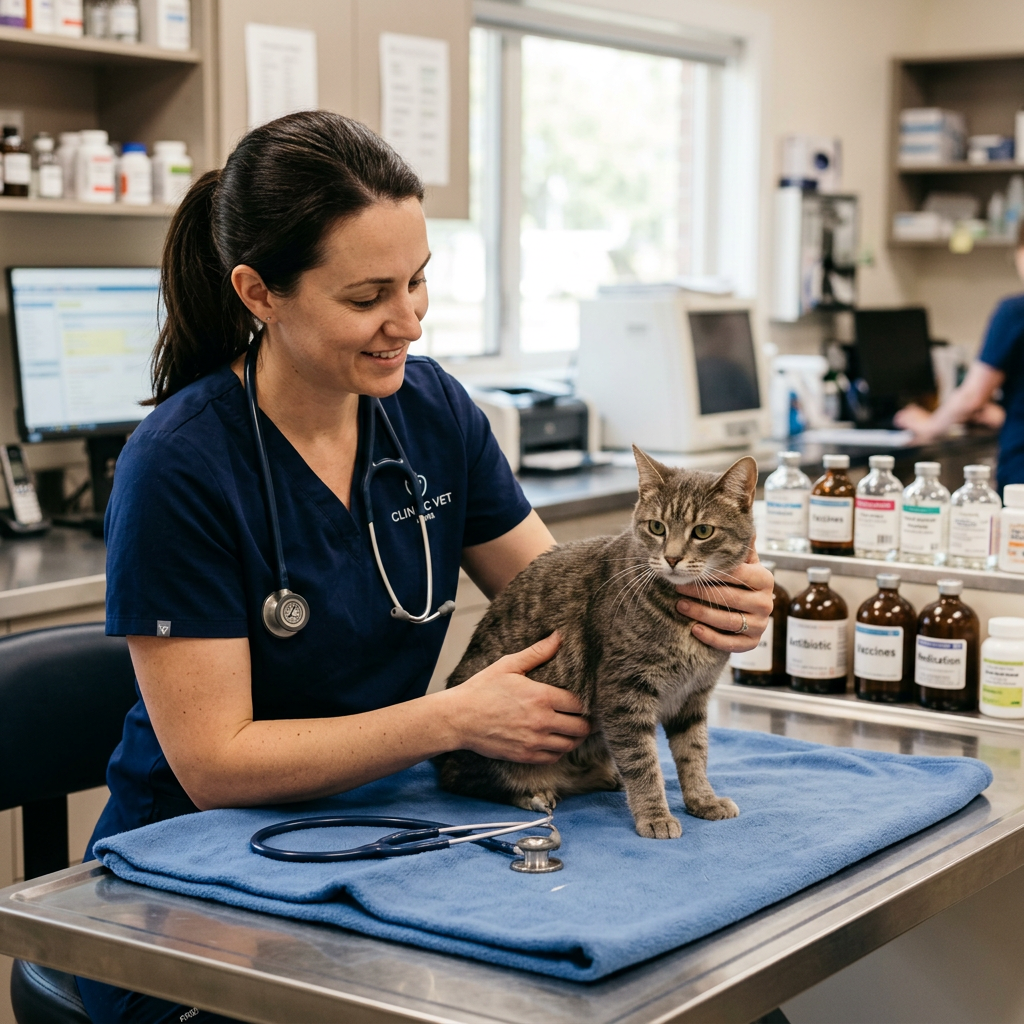
I still remember the case of Whiskers, a beautiful grey cat who would panic every time her owner left the house. The destruction she caused was immense, and her owner was at a loss for what to do. But after we started Whiskers on a cat anxiety medication regimen, combined with behavior modification techniques, the transformation was nothing short of miraculous. If you're dealing with a stressed cat, you know how heartbreaking it can be to see your beloved pet suffer. In this article, we'll explore the world of cat anxiety medication, including what vets prescribe, how each drug works, and why medication works best when paired with behavior modification.
We'll cover the warning signs of cat anxiety, the causes, and the various treatment options available. Whether you're dealing with separation anxiety in cats or general feline anxiety, this article will provide you with the insights and tools you need to help your anxious cat feel more calm and relaxed.
Table of Contents
What is Cat Anxiety?
Cat anxiety, also known as feline anxiety, refers to a range of behavioral and emotional disorders that can affect cats. It can manifest in different ways, including separation anxiety in cats, where cats become distressed when their owners leave the house. Other forms of cat anxiety include general anxiety, social anxiety, and phobias.
Types of Cat Anxiety
- Separation anxiety in cats
- General anxiety
- Social anxiety
- Phobias
Warning Signs of Cat Anxiety
If you're wondering whether your cat is experiencing anxiety, there are several warning signs to look out for. These include destructive behavior, such as scratching or shredding furniture, vocalization, such as meowing or crying, and changes in appetite. Other warning signs include pacing, panting, and avoidance behaviors.
Common Warning Signs
- Destructive behavior
- Vocalization
- Changes in appetite
- Pacing
- Panting
- Avoidance behaviors
Causes of Cat Anxiety
So, what causes cat anxiety? The answer is complex, and there are several factors that can contribute to the development of anxiety in cats. These include genetics, environmental factors, such as changes in the home or family, and medical conditions, such as pain or illness.
Common Causes of Cat Anxiety
- Genetics
- Environmental factors
- Medical conditions
- Changes in the home or family
Treatment Options for Cat Anxiety
Treating cat anxiety requires a multi-faceted approach that incorporates both medication and behavior modification. While medication can help to alleviate symptoms, behavior modification is essential for addressing the underlying causes of anxiety and helping your cat to develop more positive coping mechanisms.
Treatment Options
- Medication
- Behavior modification
- Environmental changes
- Alternative therapies
Cat Anxiety Medication Options
There are several cat anxiety medication options available, each with its own unique characteristics and potential side effects. These include buspirone, fluoxetine, gabapentin, and alprazolam. It's essential to work with a veterinarian to determine the best medication for your cat, as well as to monitor their response to treatment.
Medication Options
- Buspirone
- Fluoxetine
- Gabapentin
- Alprazolam
How Each Medication Works
Buspirone is an anxiolytic medication that works by binding to serotonin receptors in the brain, helping to reduce anxiety and stress. Fluoxetine is an SSRI (selective serotonin reuptake inhibitor) that increases the levels of serotonin in the brain, helping to improve mood and reduce anxiety. Gabapentin is an anticonvulsant medication that can help to reduce anxiety and stress by binding to GABA receptors in the brain. Alprazolam is a benzodiazepine that works by binding to GABA receptors, helping to calm the nervous system.
Behavior Modification for Cat Anxiety
Behavior modification is a crucial component of treating cat anxiety, as it helps your cat to develop more positive coping mechanisms and reduces their reliance on medication. This can include desensitization and counterconditioning, positive reinforcement training, and environmental changes to reduce stress and anxiety.
Behavior Modification Techniques
- Desensitization and counterconditioning
- Positive reinforcement training
- Environmental changes
Prevention and Enrichment Strategies
Preventing cat anxiety and providing enrichment activities can help to reduce your cat's stress and anxiety levels. This can include providing a stimulating environment, encouraging socialization, and offering plenty of exercise and play. By taking a proactive approach to your cat's mental and emotional health, you can help to prevent anxiety and create a more happy and relaxed cat.
Prevention and Enrichment Strategies
- Providing a stimulating environment
- Encouraging socialization
- Offering plenty of exercise and play
Frequently Asked Questions
What are the common side effects of cat anxiety medication?
Common side effects of cat anxiety medication include drowsiness, increased appetite, and changes in behavior. However, it's essential to work with a veterinarian to monitor your cat's response to medication and adjust the dosage or medication as needed.
How long does it take for cat anxiety medication to work?
The timeline for cat anxiety medication to work can vary depending on the individual cat and the medication being used. In general, you can expect to see improvements within a few weeks of starting medication, but it may take several months to achieve optimal results.
Can I use natural remedies to treat my cat's anxiety?
While natural remedies, such as pheromone products and calming treats, can be helpful in reducing your cat's anxiety, they should not be used as a replacement for veterinary care. It's essential to work with a veterinarian to determine the best course of treatment for your cat.
How can I help my cat feel more calm and relaxed?
There are several ways to help your cat feel more calm and relaxed, including providing a comfortable and secure environment, reducing stress and anxiety triggers, and offering plenty of exercise and play. You can also try using calming aids, such as pheromone products and calming music, to help create a more relaxing atmosphere.
When should I seek veterinary care for my cat's anxiety?
If you're concerned about your cat's anxiety, it's essential to seek veterinary care. Your veterinarian can help you determine the underlying causes of your cat's anxiety and develop a treatment plan to address their specific needs. Don't hesitate to reach out to your veterinarian if you notice any changes in your cat's behavior or if their anxiety is impacting their quality of life.
Can cat anxiety be cured?
While cat anxiety can be managed and reduced, it's not always possible to cure it completely. However, with the right treatment plan and a commitment to providing a nurturing and supportive environment, you can help your cat feel more calm and relaxed and improve their overall quality of life.
How can I prevent my cat from developing anxiety?
Preventing cat anxiety requires a proactive approach to your cat's mental and emotional health. This can include providing a stimulating environment, encouraging socialization, and offering plenty of exercise and play. You can also help to reduce your cat's stress and anxiety levels by providing a comfortable and secure environment and minimizing changes and disruptions to their routine.
Calming an anxious cat requires a comprehensive approach that incorporates both medication and behavior modification. By working with a veterinarian and providing a nurturing and supportive environment, you can help your cat feel more calm and relaxed and improve their overall quality of life. Remember, every cat is unique, and what works for one cat may not work for another. Be patient, stay committed, and work collaboratively with your veterinarian to find the best solution for your cat's anxiety. With the right approach, you can help your cat live a happier, healthier life.