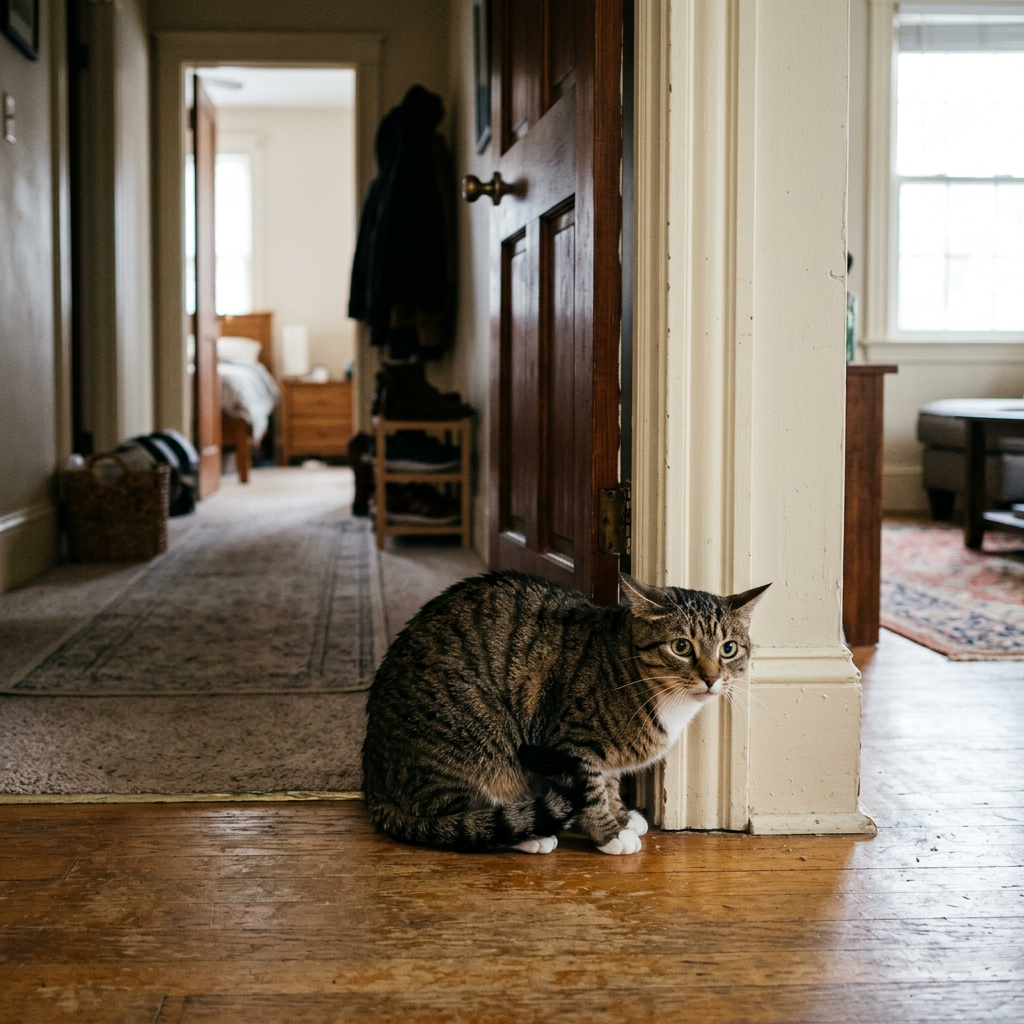
As soon as Sourabh Gupta started working from home, she noticed a change in her cat, Luna. Luna would pace back and forth, meowing anxiously, and even started avoiding her favorite spots in the house. At first, Sourabh Gupta thought it was just Luna adjusting to the new noise and activity, but as the days went by, Luna's behavior became more erratic. Sourabh Gupta realized that Luna was suffering from cat anxiety, and she was determined to help her beloved pet feel more at ease. If you're experiencing similar issues with your cat, you're not alone. In this article, we'll explore the most common triggers of cat anxiety, how to identify warning signs, and most importantly, how to calm your anxious cat.
This comprehensive guide will cover everything you need to know about cat anxiety, from understanding the causes and symptoms to finding effective solutions and prevention strategies. Whether you're a seasoned cat owner or a newcomer to the world of feline companionship, this article will provide you with the knowledge and expertise to help your cat live a happier, healthier life.
Table of Contents
What is Cat Anxiety?
Cat anxiety, also known as feline anxiety, is a common behavioral disorder that affects cats of all ages and breeds. It's characterized by excessive fear, stress, or anxiety in response to various stimuli, such as loud noises, strangers, or changes in the environment. Cat anxiety can manifest in different ways, including separation anxiety in cats, which occurs when a cat becomes distressed when left alone or separated from its owner.
Types of Cat Anxiety
- Generalized anxiety: persistent and excessive anxiety that's not focused on a specific stimulus
- Social anxiety: fear or anxiety in response to people, other animals, or new environments
- Situational anxiety: anxiety triggered by specific situations, such as loud noises or vet visits
Warning Signs of Cat Anxiety
Identifying the warning signs of cat anxiety is crucial to providing your cat with the help and support they need. Some common signs of cat anxiety include:
Behavioral Changes
- Pacing or restlessness
- Increased meowing or vocalization
- Hiding or avoidance behaviors
- Changes in appetite or sleeping patterns
Physical Symptoms
- Panting or rapid breathing
- Trembling or shaking
- Excessive grooming or licking
- Changes in elimination habits
Common Triggers of Cat Anxiety
Cat anxiety can be triggered by a variety of factors, including:
Environmental Changes
- Loud noises, such as fireworks or construction
- New furniture or decorations
- Changes in the household, such as a new baby or pet
Social Interactions
- Strangers or visitors
- Other animals, such as dogs or cats
- Changes in the owner's work schedule or travel
Treatment and Solutions for Cat Anxiety
Treating cat anxiety requires a multi-faceted approach that incorporates behavioral modifications, environmental changes, and, in some cases, medication. Some effective solutions for cat anxiety include:
Behavioral Modifications
- Desensitization and counterconditioning techniques
- Positive reinforcement training
- Environmental enrichment activities
Calming Aids
- Pheromone products, such as Feliway
- Calming music or white noise
- Anti-anxiety medication, such as fluoxetine or clomipramine
Prevention Strategies for Cat Anxiety
Preventing cat anxiety is always better than treating it. Some effective prevention strategies include:
Environmental Enrichment
- Providing multiple hiding spots and vertical space
- Offering a variety of toys and scratching posts
- Creating a calm and predictable environment
Socialization and Training
- Socializing your cat to new people, animals, and environments
- Training your cat to respond to basic commands
- Gradually introducing new stimuli to prevent overwhelming your cat
Enrichment Activities for Cats
Enrichment activities are essential for providing your cat with mental and physical stimulation, reducing boredom and stress, and preventing cat anxiety. Some fun and engaging enrichment activities for cats include:
Play and Exercise
- Laser pointer play
- Feather toy play
- Food puzzle toys
Sensory Stimulation
- Scratching posts and pads
- Catnip and treats
- Window perches and bird-watching
When to See a Vet for Cat Anxiety
If you suspect that your cat is suffering from anxiety, it's essential to consult with a veterinarian to rule out any underlying medical conditions that may be contributing to your cat's behavior. Your vet can help you:
Rule Out Medical Conditions
- Conduct a physical examination and take a complete medical history
- Run diagnostic tests, such as blood work or urinalysis
- Prescribe medication or recommend behavioral modifications
Frequently Asked Questions
What are the most common causes of cat anxiety?
The most common causes of cat anxiety include loud noises, strangers, new furniture, changes in schedule, and other animals. However, every cat is different, and what triggers anxiety in one cat may not be the same for another.
How can I calm my anxious cat?
Calming your anxious cat requires a combination of behavioral modifications, environmental changes, and, in some cases, medication. Some effective calming aids include pheromone products, calming music, and anti-anxiety medication. However, it's essential to consult with a veterinarian before trying any new remedies or treatments.
Can cat anxiety be cured?
While cat anxiety can be managed and reduced, it may not be completely curable. However, with the right combination of behavioral modifications, environmental changes, and, in some cases, medication, you can help your cat feel more calm and relaxed.
How can I prevent cat anxiety?
Preventing cat anxiety requires a proactive approach that includes environmental enrichment, socialization and training, and gradual introduction to new stimuli. By providing your cat with a stimulating and predictable environment, you can help reduce the risk of anxiety and stress.
What are the warning signs of separation anxiety in cats?
The warning signs of separation anxiety in cats include excessive meowing or vocalization, pacing or restlessness, and destructive behavior when left alone. If you suspect that your cat is suffering from separation anxiety, it's essential to consult with a veterinarian for guidance and support.
Can cats develop anxiety later in life?
Yes, cats can develop anxiety later in life due to various factors, such as changes in the household, medical conditions, or aging. If you notice any changes in your cat's behavior or temperament, it's essential to consult with a veterinarian to rule out any underlying medical conditions and develop a plan to address your cat's anxiety.
How can I help my cat cope with loud noises?
Helping your cat cope with loud noises requires a combination of desensitization, counterconditioning, and environmental modification. You can start by gradually introducing your cat to the noise, rewarding calm behavior, and providing a safe and comfortable space for your cat to retreat to when needed.
Cat anxiety is a common and treatable condition that can have a significant impact on your cat's quality of life. By understanding the causes and warning signs of cat anxiety, you can take proactive steps to prevent and manage your cat's stress and anxiety. Remember, every cat is different, and what works for one cat may not work for another. If you're concerned about your cat's anxiety or stress, don't hesitate to reach out to a veterinarian for guidance and support. With patience, love, and the right approach, you can help your cat live a happier, healthier life.