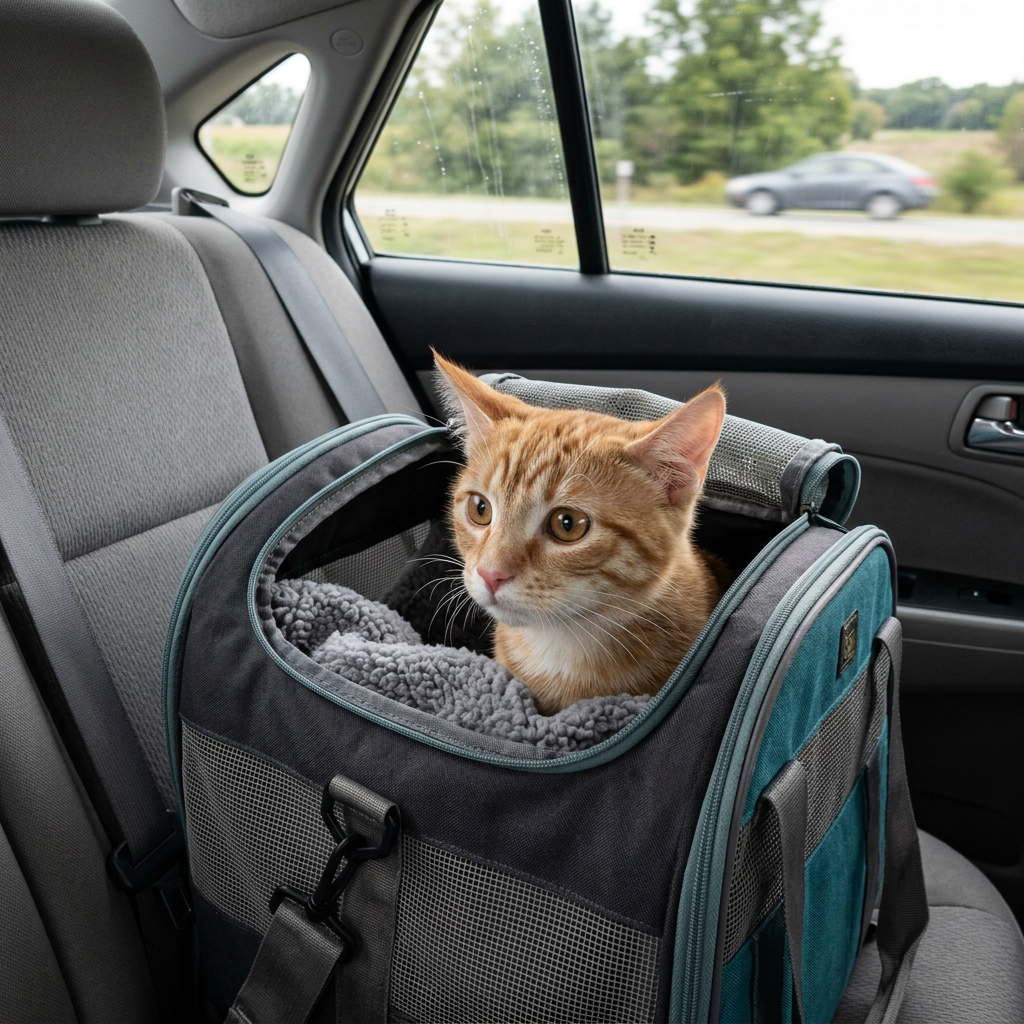
I still remember the disastrous road trip I took with my cat, Luna, a few years ago. She meowed non-stop, scratched the backseat, and even managed to escape from her carrier. It was a nightmare, and I vowed never to repeat it without proper preparation. If you're a cat owner who's planning to travel with your feline friend, you're probably worried about their anxiety levels. Cat anxiety can be a significant issue, especially when it comes to traveling by car or plane. In this article, we'll explore the reasons behind cat travel anxiety, how to acclimate your cat to their carrier, and provide tips on natural and veterinary sedation options, travel day protocols, and choosing the right carrier.
By the end of this article, you'll be equipped with the knowledge and tools to help your cat feel more relaxed and comfortable during travel, reducing the risk of separation anxiety in cats and other cat stress symptoms. Whether you're a seasoned traveler or a newcomer to cat ownership, this guide will help you navigate the challenges of cat travel anxiety and ensure a smoother journey for both you and your cat.
Table of Contents
What is Cat Travel Anxiety?
Cat travel anxiety, also known as feline anxiety, refers to the stress and discomfort that cats experience during travel. This can manifest in various ways, including meowing, pacing, hiding, and even aggression. Calming anxious cats is crucial to ensure their well-being and safety during travel.
Common Symptoms of Cat Travel Anxiety
- Excessive meowing or crying
- Pacing or restlessness
- Hiding or avoidance
- Aggression or hissing
- Loss of appetite or refusal to eat
Warning Signs of Cat Anxiety
As a cat owner, it's essential to recognize the warning signs of cat anxiety. These can include changes in behavior, such as increased meowing or pacing, as well as physical symptoms like rapid breathing or a rapid heartbeat. Anxious cat behavior can be subtle, so it's crucial to monitor your cat's behavior closely and seek veterinary advice if you notice any unusual signs.
Monitoring Your Cat's Behavior
Keep a close eye on your cat's behavior in the days leading up to travel, and look out for any changes in their appetite, sleep patterns, or overall demeanor. This will help you identify any potential issues and take steps to address them before they become major problems.
Causes of Cat Travel Anxiety
So, why do cats experience travel anxiety? There are several factors that can contribute to cat stress symptoms, including the unfamiliar environment of the car or plane, the presence of loud noises or strange smells, and the feeling of confinement or restriction. Additionally, some cats may experience separation anxiety in cats due to the separation from their owners or familiar surroundings.
Common Causes of Cat Travel Anxiety
- Unfamiliar environment
- Loud noises or strange smells
- Confinement or restriction
- Separation from owners or familiar surroundings
Carrier Acclimation Training
One of the most effective ways to reduce cat travel anxiety is through carrier acclimation training. This involves gradually introducing your cat to their carrier, starting with short periods of time and gradually increasing the duration. Calming anxious cats with carrier acclimation training can help them become more comfortable and relaxed in their carrier, reducing the risk of anxiety and stress during travel.
Step-by-Step Carrier Acclimation Training
- Introduce the carrier in a familiar location
- Encourage your cat to enter the carrier voluntarily
- Gradually increase the amount of time your cat spends in the carrier
- Reward your cat with treats and praise for calm behavior
Natural and Veterinary Sedation Options
In some cases, natural or veterinary sedation options may be necessary to help calm your cat during travel. These can include pheromone products, calming treats, or prescription medication. It's essential to consult with your veterinarian before using any sedation options, as they can have varying effects on different cats. Feline anxiety can be managed with the right approach, and your veterinarian can help you determine the best course of treatment for your cat.
Natural Sedation Options
- Pheromone products
- Calming treats
- Aromatherapy
Veterinary Sedation Options
- Prescription medication
- Sedation injections
Travel Day Protocols
On the day of travel, it's essential to follow a few key protocols to minimize your cat's stress and anxiety. These can include feeding a light meal, providing plenty of water, and avoiding strenuous activity. Calming anxious cats on travel day requires a gentle and patient approach, and your veterinarian can provide personalized advice on how to prepare your cat for travel.
Travel Day Checklist
- Feed a light meal 2-3 hours before travel
- Provide plenty of water and opportunities for hydration
- Avoid strenuous activity or excitement
- Keep your cat's carrier in a safe and stable location
Choosing the Right Carrier
Choosing the right carrier is crucial to reducing cat travel anxiety. Look for a carrier that is well-ventilated, comfortable, and easy to clean. Your cat should be able to stand up, turn around, and lie down comfortably in their carrier. Anxious cat behavior can be exacerbated by a poorly designed carrier, so it's essential to choose a carrier that meets your cat's needs.
Carrier Features to Consider
- Well-ventilation
- Comfortable bedding
- Easy cleaning
- Adequate space for standing, turning, and lying down
Frequently Asked Questions
What are the most common symptoms of cat travel anxiety?
The most common symptoms of cat travel anxiety include excessive meowing or crying, pacing or restlessness, hiding or avoidance, aggression or hissing, and loss of appetite or refusal to eat.
How can I help my cat feel more relaxed during travel?
You can help your cat feel more relaxed during travel by providing a comfortable and familiar environment, such as their favorite blanket or toy, and by using calming aids like pheromone products or calming treats.
What is the best way to acclimate my cat to their carrier?
The best way to acclimate your cat to their carrier is through gradual introduction, starting with short periods of time and gradually increasing the duration. Reward your cat with treats and praise for calm behavior.
Can I use natural sedation options for my cat during travel?
Yes, natural sedation options like pheromone products, calming treats, and aromatherapy can be effective in calming your cat during travel. However, it's essential to consult with your veterinarian before using any sedation options.
How can I minimize my cat's stress and anxiety on travel day?
You can minimize your cat's stress and anxiety on travel day by feeding a light meal, providing plenty of water, and avoiding strenuous activity. Keep your cat's carrier in a safe and stable location, and provide a familiar and comfortable environment.
What should I look for when choosing a carrier for my cat?
When choosing a carrier for your cat, look for a carrier that is well-ventilated, comfortable, and easy to clean. Your cat should be able to stand up, turn around, and lie down comfortably in their carrier.
Can cats experience separation anxiety during travel?
Yes, cats can experience separation anxiety during travel, especially if they are separated from their owners or familiar surroundings. This can exacerbate cat stress symptoms and feline anxiety. Consult with your veterinarian for advice on managing separation anxiety in cats.
Traveling with your cat can be a challenging experience, but with the right approach, you can help reduce their anxiety and stress. By understanding the causes of cat travel anxiety, using carrier acclimation training, and providing a comfortable and familiar environment, you can make travel a more enjoyable experience for both you and your cat. Remember to consult with your veterinarian for personalized advice on managing cat anxiety and feline anxiety, and don't hesitate to reach out if you have any further questions or concerns. With patience, love, and the right guidance, you can help your cat feel more relaxed and comfortable during travel, and create a stronger bond between you and your feline friend.