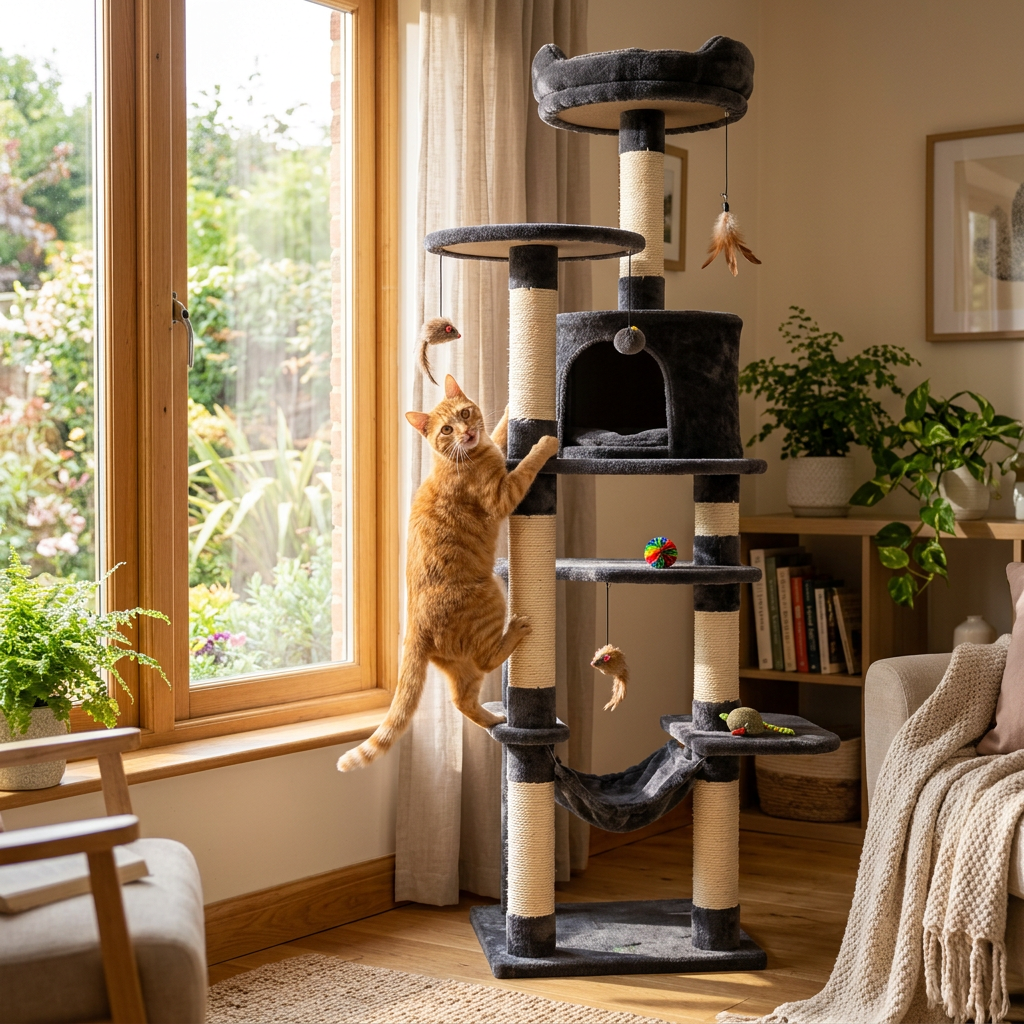
I still remember the day I met Luna, a beautiful, yet anxious indoor cat. Her owner had tried everything to calm her down, from pheromone diffusers to calming music, but nothing seemed to work. Luna would pace back and forth, meowing frantically, and even exhibit destructive behavior. But after introducing some simple environmental enrichment ideas, such as window perches and puzzle feeders, Luna's behavior transformed dramatically. She became more relaxed, engaged, and even started to initiate play. This experience taught me the importance of addressing the root causes of cat anxiety and providing our feline friends with stimulating environments. In this article, we'll explore the world of environmental enrichment and how it can help soothe anxious cats.
Here, we'll delve into the world of cat anxiety, discussing what it is, warning signs, causes, and most importantly, effective solutions. We'll cover 15 proven environmental enrichment ideas, from window perches and hiding spots to puzzle feeders and outdoor enclosures, to help you create a calming and stimulating environment for your anxious cat. Whether you're dealing with separation anxiety in cats or general feline anxiety, this article will provide you with the knowledge and tools to help your cat live a happier, healthier life.
Table of Contents
What is Cat Anxiety?
Cat anxiety, also known as feline anxiety, refers to a range of behavioral and emotional disorders that can affect cats. It can manifest in different ways, from mild stress to severe anxiety attacks. Cat anxiety symptoms can include excessive meowing, pacing, hiding, and even aggressive behavior. If left untreated, cat anxiety can lead to more serious health problems, such as urinary tract infections, digestive issues, and a weakened immune system.
Types of Cat Anxiety
- Separation anxiety in cats: This type of anxiety occurs when a cat is separated from its owner or primary caregiver.
- Generalized anxiety: This type of anxiety is characterized by excessive fear or worry that is not specific to any particular situation or stimulus.
- Social anxiety: This type of anxiety occurs when a cat is exposed to new or unfamiliar people, animals, or environments.
Warning Signs of Cat Anxiety
Identifying the warning signs of cat anxiety is crucial to providing your cat with the help and support they need. Some common cat stress symptoms include:
- Excessive meowing or vocalization
- Pacing or restlessness
- Hiding or avoidance behaviors
- Aggressive behavior, such as hissing or growling
- Changes in appetite or sleep patterns
What to Do If You Notice These Signs
If you notice any of these warning signs, it's essential to consult with a veterinarian to rule out any underlying medical issues. Your vet can help you determine the cause of your cat's anxiety and develop a plan to address it.
Causes of Cat Anxiety
There are several potential causes of cat anxiety, including:
- Genetics: Some cats may be more prone to anxiety due to their breed or genetic makeup.
- Environmental factors: Changes in a cat's environment, such as a new home or pet, can cause anxiety.
- Medical issues: Pain, discomfort, or underlying medical conditions can contribute to anxiety in cats.
- Lack of stimulation: Bored or understimulated cats may develop anxiety due to a lack of mental and physical stimulation.
Understanding the Root Causes of Cat Anxiety
Understanding the underlying causes of your cat's anxiety is crucial to developing an effective treatment plan. By identifying the root causes of your cat's anxiety, you can create a tailored approach to address their specific needs and provide them with the support and care they need to thrive.
Treatment and Solutions for Cat Anxiety
Treating cat anxiety requires a multi-faceted approach that addresses the root causes of the anxiety. Some effective calming anxious cats solutions include:
- Providing a stable and predictable environment
- Creating a stimulating and engaging environment through play and exercise
- Using pheromone therapy or calming aids, such as diffusers or supplements
- Gradual desensitization and counterconditioning to help your cat become comfortable with triggers
Working with a Veterinarian
It's essential to work with a veterinarian to develop a treatment plan that addresses your cat's specific needs and health status. Your vet can help you determine the best course of treatment and provide guidance on how to implement it effectively.
Preventing Cat Anxiety
Preventing cat anxiety is always better than treating it. By providing your cat with a stimulating and engaging environment, you can help reduce the risk of anxiety and create a happy and healthy life for your feline friend. Some ways to prevent cat anxiety include:
- Providing plenty of play and exercise opportunities
- Creating a stable and predictable environment
- Offering a variety of toys and activities to keep your cat engaged
- Spending quality time with your cat and providing attention and affection
Creating a Cat-Friendly Environment
Creating a cat-friendly environment is essential to preventing cat anxiety. This includes providing vertical space, such as cat trees or shelves, and creating hiding spots and cozy areas for your cat to retreat to.
15 Environmental Enrichment Ideas for Anxious Cats
Environmental enrichment is a powerful tool for reducing cat anxiety. By providing your cat with a stimulating and engaging environment, you can help distract them from anxiety triggers and create a sense of calm and relaxation. Here are 15 environmental enrichment ideas for anxious cats:
- Window perches: Provide your cat with a view and a sense of freedom.
- Hiding spots: Create cozy areas for your cat to retreat to and feel safe.
- Puzzle feeders: Challenge your cat's problem-solving skills and provide mental stimulation.
- Vertical space: Provide cat trees, shelves, or other vertical structures for your cat to climb and explore.
- Interactive toys: Engage your cat's natural hunting instincts with interactive toys, such as feather wands or laser pointers.
- Outdoor enclosures: Provide your cat with a safe and secure outdoor space to explore and enjoy.
- Sensory stimulation: Offer your cat a variety of textures, smells, and tastes to explore and experience.
- Scratching posts: Provide your cat with a healthy outlet for scratching and marking behavior.
- Cardboard boxes: Offer your cat a cozy and secure place to hide and feel safe.
- Tunnels and tents: Create a sense of security and comfort for your cat with tunnels and tents.
- Food puzzle toys: Challenge your cat's problem-solving skills and provide mental stimulation.
- Calming music: Create a soothing and calming environment with calming music or white noise.
- Aromatherapy: Use pheromone diffusers or calming scents to create a relaxing atmosphere.
- Rotating toys: Rotate your cat's toys regularly to keep them interesting and engaging.
- Playtime: Engage in play with your cat regularly to provide exercise and mental stimulation.
Creating a Rotation of Enrichment Activities
Creating a rotation of enrichment activities can help keep your cat engaged and interested. Try rotating toys, activities, and environments regularly to provide your cat with a constant sense of novelty and excitement.
When to See a Vet for Cat Anxiety
If you notice any signs of cat anxiety, it's essential to consult with a veterinarian to rule out any underlying medical issues. Your vet can help you determine the cause of your cat's anxiety and develop a plan to address it. Some signs that you should see a vet for cat anxiety include:
- Severe or persistent anxiety symptoms
- Changes in appetite or sleep patterns
- Increased vocalization or aggression
- Withdrawal or avoidance behaviors
Working with a Veterinarian to Address Cat Anxiety
Working with a veterinarian is essential to addressing cat anxiety. Your vet can provide guidance on how to create a calming and stimulating environment, recommend effective treatment options, and help you develop a plan to manage your cat's anxiety.
Frequently Asked Questions
What are the most common causes of cat anxiety?
The most common causes of cat anxiety include genetics, environmental factors, medical issues, and lack of stimulation. Understanding the underlying causes of your cat's anxiety is crucial to developing an effective treatment plan.
How can I create a calming environment for my anxious cat?
Creating a calming environment for your anxious cat involves providing a stable and predictable environment, reducing stress and anxiety triggers, and creating a sense of security and comfort. This can include providing vertical space, hiding spots, and cozy areas, as well as using pheromone therapy or calming aids.
What are some effective ways to reduce cat anxiety?
Effective ways to reduce cat anxiety include providing a stimulating and engaging environment, using pheromone therapy or calming aids, and gradual desensitization and counterconditioning to help your cat become comfortable with triggers. Working with a veterinarian to develop a tailored treatment plan is also essential.
Can cat anxiety be cured?
While cat anxiety may not be completely curable, it can be effectively managed with the right treatment plan and environmental changes. By addressing the underlying causes of your cat's anxiety and providing a stimulating and engaging environment, you can help reduce your cat's anxiety symptoms and improve their overall quality of life.
How can I help my cat feel more secure and comfortable?
Helping your cat feel more secure and comfortable involves providing a stable and predictable environment, creating a sense of security and comfort, and reducing stress and anxiety triggers. This can include providing vertical space, hiding spots, and cozy areas, as well as using pheromone therapy or calming aids.
What are some signs that my cat is experiencing anxiety?
Common signs of cat anxiety include excessive meowing or vocalization, pacing or restlessness, hiding or avoidance behaviors, aggressive behavior, and changes in appetite or sleep patterns. If you notice any of these signs, it's essential to consult with a veterinarian to rule out any underlying medical issues and develop a plan to address your cat's anxiety.
Can I use medication to treat my cat's anxiety?
While medication may be necessary in some cases, it's essential to work with a veterinarian to determine the best course of treatment for your cat's anxiety. Medication should only be used under the guidance of a veterinarian and in conjunction with environmental changes and behavioral modification techniques.
Cat anxiety is a common and treatable condition that can have a significant impact on your cat's quality of life. By understanding the causes of cat anxiety, recognizing the warning signs, and providing a stimulating and engaging environment, you can help reduce your cat's anxiety symptoms and create a happy and healthy life for your feline friend. Remember, every cat is different, and what works for one cat may not work for another. Be patient, work with your veterinarian, and try different approaches until you find what works best for your cat. With the right combination of environmental enrichment, behavioral modification, and veterinary care, you can help your anxious cat live a happier, healthier life.
If you're concerned about your cat's anxiety or would like to learn more about environmental enrichment ideas, consult with your veterinarian or a certified animal behaviorist for personalized guidance and support. Together, you can create a tailored plan to address your cat's specific needs and help them thrive.