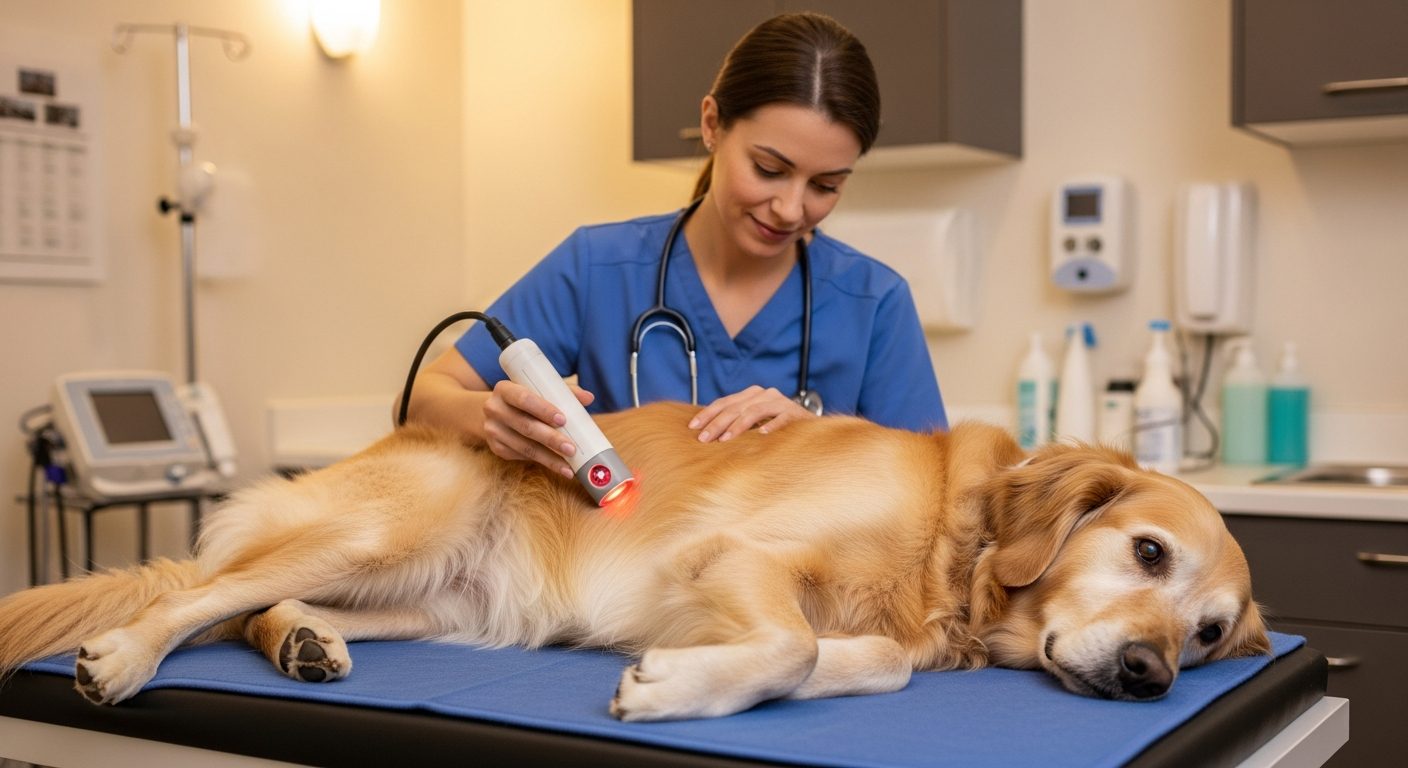
When Librela (bedinvetmab) hit the market, it was hailed as a miracle. A once-monthly injection that could erase your senior dog's arthritis pain? No more daily pills. No more watching them struggle to stand. For millions of owners, it felt like we had finally cracked the code.
But in January 2025, the FDA issued new safety alerts that changed the conversation.
Reports of ataxia (loss of coordination), neurological symptoms, and a rare but terrifying condition called Rapidly Progressive Osteoarthritis (RPOA) have forced veterinarians and owners to ask: Is this drug worth the risk?
As someone who has spent years researching senior dog care and longevity biohacks, I understand both sides. Librela genuinely works for many dogs. But for owners who are nervous about the emerging data—or whose dogs have already experienced side effects—the question becomes: What are the alternatives?
This guide is for you. We are going to break down exactly how Librela works, the specific risks you need to know about, and the natural pain management protocols that can rival—or complement—pharmaceutical intervention. By the end, you will have a clear framework to make the right decision for your dog.
In This Guide:
Part 1: The Librela Reality Check
Before we discuss alternatives, let's be clear about what Librela is and why it became so popular in the first place.
How Librela Works: The Anti-NGF Mechanism
Librela is a monoclonal antibody that targets a protein called Nerve Growth Factor (NGF). NGF is one of the primary chemical messengers that tells your dog's brain: "This hurts."
In a healthy body, NGF serves an important purpose. It helps nerves grow and repair. But in chronic osteoarthritis, NGF goes haywire. Damaged joints pump out excessive NGF, creating a constant pain signal that never turns off. Your dog's brain is being bombarded with "PAIN, PAIN, PAIN" 24/7.
Librela binds to NGF and neutralizes it. The pain signal stops. Your dog feels relief—often dramatic relief—within days of the first injection.
The Good: Why Owners Love It
Let's not pretend Librela doesn't work. For many dogs, the results are genuinely life-changing:
- Rapid Relief: Many owners report improvement within 7-14 days of the first injection.
- No Daily Pills: Unlike NSAIDs (Carprofen, Meloxicam), there's no daily dosing schedule to forget.
- Liver/Kidney Sparing: Traditional pain meds can damage the liver and kidneys over time. Librela, being a biologic, doesn't metabolize through these organs in the same way.
- Improved Quality of Life: Dogs that couldn't climb stairs, play, or even stand comfortably are suddenly active again.
I have heard from owners who say Librela gave them "two more good years" with their senior dog. That's real. That matters.
The Risks: What the FDA Alerts Tell Us
In January 2025, the FDA's Center for Veterinary Medicine updated the safety profile for Librela based on post-market surveillance data. Here's what you need to know:
1. Ataxia (Loss of Coordination)
This is the most commonly reported neurological side effect. Dogs may appear "drunk," stumble, have difficulty with stairs, or struggle to stand. The mechanism isn't fully understood, but some researchers hypothesize that blocking NGF may affect nerve function beyond just pain signaling.
What to watch for: Wobbly gait, reluctance to walk, dragging paws, falling, or difficulty getting up. Symptoms may appear within days of injection or develop gradually over multiple doses.
2. Silent Damage: The Masking Effect
Here's the uncomfortable truth about any highly effective pain medication: it can hide damage.
Pain exists for a reason. It tells your dog to stop using a damaged joint. When you eliminate the pain signal but not the underlying disease, dogs may overuse their joints. They run, jump, and play like they're young again—but the cartilage is still eroding underneath.
This isn't unique to Librela. It's true of NSAIDs too. But Librela is so effective at blocking pain that some dogs show almost no signs of discomfort even as their joints deteriorate.
3. RPOA (Rapidly Progressive Osteoarthritis)
This is the rare but serious complication that has alarmed the veterinary community. RPOA occurs when joint destruction accelerates rapidly—faster than the natural progression of the disease. In human trials of anti-NGF drugs, RPOA led to joint replacements in some patients.
The exact incidence in dogs is still being studied, but the mechanism is logical: if a dog can't feel pain, they don't protect the joint. The cartilage, bone, and ligaments take damage they otherwise would have avoided.
Warning Signs of RPOA: Sudden worsening of lameness after initial improvement, joint swelling, or x-ray changes showing accelerated bone loss.
The Bottom Line on Librela
Librela is not "bad." It's a powerful tool. But like all powerful tools, it comes with trade-offs. For dogs in severe, end-stage pain where quality of life is the only goal, Librela may be the compassionate choice. For dogs with mild-to-moderate arthritis who have years of life ahead of them, the calculus is different.
The question is: Can we manage chronic pain naturally—or at least delay the need for heavy pharmaceuticals?
The answer is yes. Let's look at how.
Part 2: The Natural Contenders
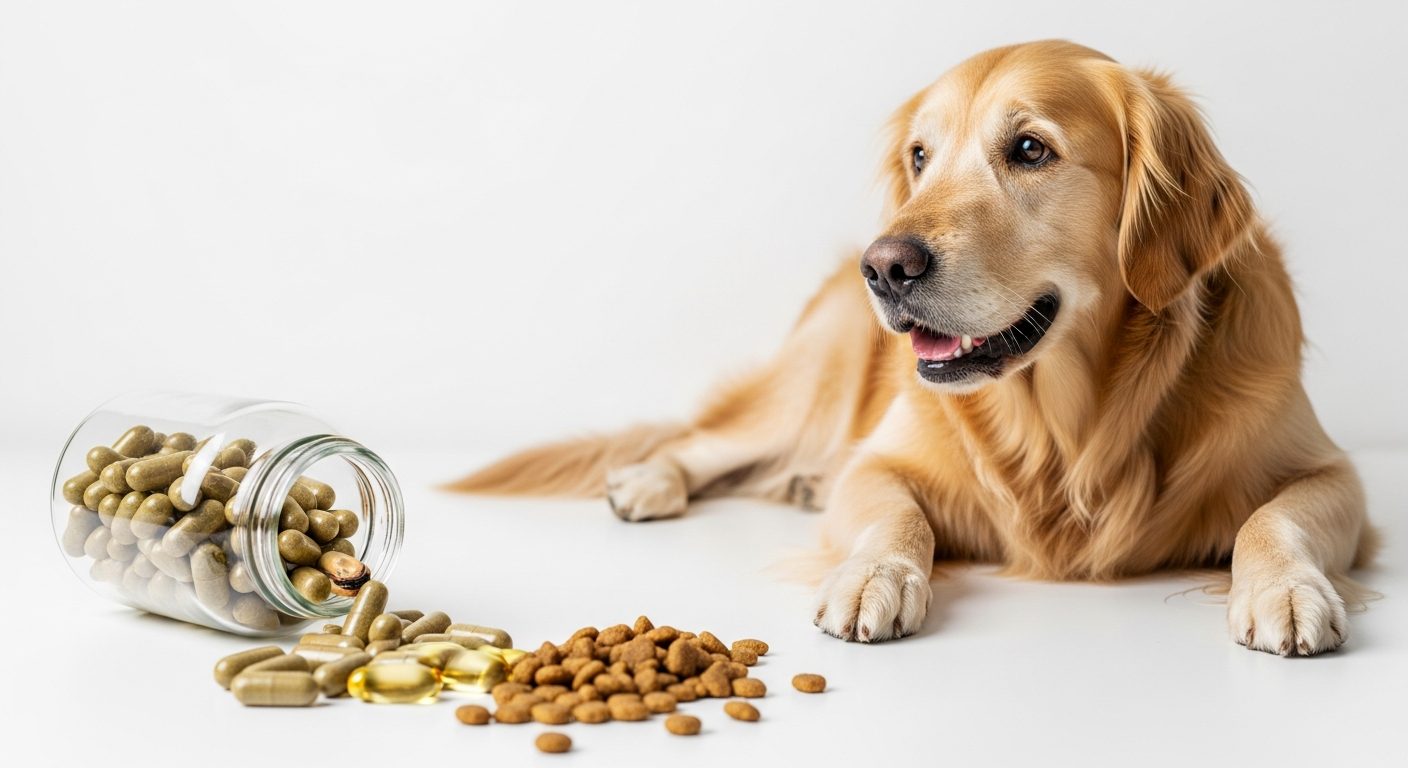
The natural pain management landscape has evolved dramatically. We now have options that are backed by clinical research, not just anecdotes. Here are the three most effective alternatives (or complements) to Librela.
1. Green Lipped Mussel (GLM): The Anti-Inflammatory Powerhouse
What it is: An extract from the New Zealand green-lipped mussel (Perna canaliculus), a shellfish rich in unique omega-3 fatty acids, glycosaminoglycans, and anti-inflammatory compounds.
How it works: GLM contains a rare omega-3 called ETA (eicosatetraenoic acid) that inhibits the LOX and COX pathways—the same inflammatory cascades that NSAIDs target. But unlike NSAIDs, GLM does this without damaging the stomach lining or kidneys.
The Research: A 2013 study in the Journal of Veterinary Internal Medicine found that dogs given GLM showed significant improvement in mobility and pain scores compared to placebo. Multiple veterinary teaching hospitals now recommend GLM as a first-line intervention for early arthritis.
Best Form: Look for lipid-extracted GLM (like Antinol), not powdered mussel. The extraction process concentrates the active fatty acids. Powdered supplements often contain too much fiber and protein, diluting the therapeutic compounds.
Dosing: Most products recommend 1 capsule per 20 lbs of body weight daily. For acute flare-ups, some vets double the dose for the first 2 weeks.
2. Adequan (Polysulfated Glycosaminoglycan): The Joint Rebuilder
What it is: An FDA-approved injectable medication made from bovine cartilage. While technically a pharmaceutical, it works differently from pain meds—it actually supports cartilage repair rather than just masking symptoms.
How it works: Adequan inhibits the enzymes that break down cartilage and stimulates the production of hyaluronic acid (the lubricant inside joints). Over time, this can slow the progression of arthritis and improve joint function.
The Protocol: Adequan is given as a series of injections (typically twice weekly for 4 weeks), then maintained monthly. Many integrative vets combine Adequan with GLM for a synergistic effect.
Pros: Unlike Librela, Adequan addresses the underlying disease process, not just the symptoms. It's been used safely in dogs for decades.
Cons: It requires vet visits for injections (or learning to give them at home). It's also not a pain medication—it won't provide the immediate relief that Librela does. It's a slow-build solution.
3. Cold Laser Therapy (LLLT/Photobiomodulation): The Energy Medicine
What it is: Low-level laser therapy uses specific wavelengths of light to penetrate tissue and stimulate cellular repair. It sounds futuristic, but it's been used in human sports medicine for decades and is now standard in veterinary rehabilitation clinics.
How it works: The light energy is absorbed by mitochondria (the power plants of cells), boosting ATP production and reducing inflammation. Studies show LLLT can reduce pain, improve healing, and increase range of motion in arthritic joints.
The Protocol: Treatments are typically 2-3 times per week for the first few weeks, then tapered to weekly or as-needed maintenance. Sessions last 5-15 minutes per joint.
At-Home Options: While professional-grade lasers require vet visits, there are now FDA-cleared home devices for pet owners. These are lower-powered but can be effective for maintenance between professional treatments.
The Evidence: A 2018 systematic review found that LLLT produced clinically meaningful improvements in dogs with osteoarthritis. The effect was dose-dependent—more treatments produced better outcomes.
Part 3: Cost & Comparison Table
Let's break down the real costs and benefits of each approach. This table compares a 50 lb dog over a 12-month period.
| Treatment | Annual Cost | Pain Relief Speed | Disease Modification | Risk Profile |
|---|---|---|---|---|
| Librela | $1,200-$1,800 | Fast (7-14 days) | None (symptom only) | Moderate (ataxia, RPOA risk) |
| Green Lipped Mussel (GLM) | $300-$600 | Slow (4-8 weeks) | Mild (anti-inflammatory) | Very Low (shellfish allergy only) |
| Adequan | $600-$1,000 | Moderate (4-6 weeks) | Yes (cartilage support) | Low (injection site reactions) |
| Cold Laser (Pro) | $1,000-$2,000 | Moderate (2-4 weeks) | Mild (tissue repair) | Very Low (none reported) |
| Combined Protocol | $1,200-$2,000 | Moderate (3-6 weeks) | Best (multi-modal) | Low |
Key Insight: The cost of natural protocols is comparable to Librela when you factor in the cumulative benefits and lower risk profile. The trade-off is speed—natural approaches take longer to show results.
Part 4: The ZenPet Protocol
Based on integrative veterinary medicine principles and the latest research, here's our recommended staged approach to chronic pain management. This protocol works as a Librela alternative OR as a complement to reduce Librela dependency over time.
Stage 1: The Clean Foundation (Weeks 1-4)
Before adding any supplements, we need to remove what's making things worse.
- Weight Optimization: Every extra pound puts 4 pounds of pressure on arthritic joints. If your dog is overweight, this is priority #1. Work with your vet on a gradual weight loss plan. A 10% weight reduction can produce as much pain relief as medication.
- Anti-Inflammatory Diet: Switch to a whole-food or fresh diet if possible. Commercial kibble is often pro-inflammatory due to high omega-6 content and processed ingredients. If kibble is your only option, choose a formula with fish as the primary protein.
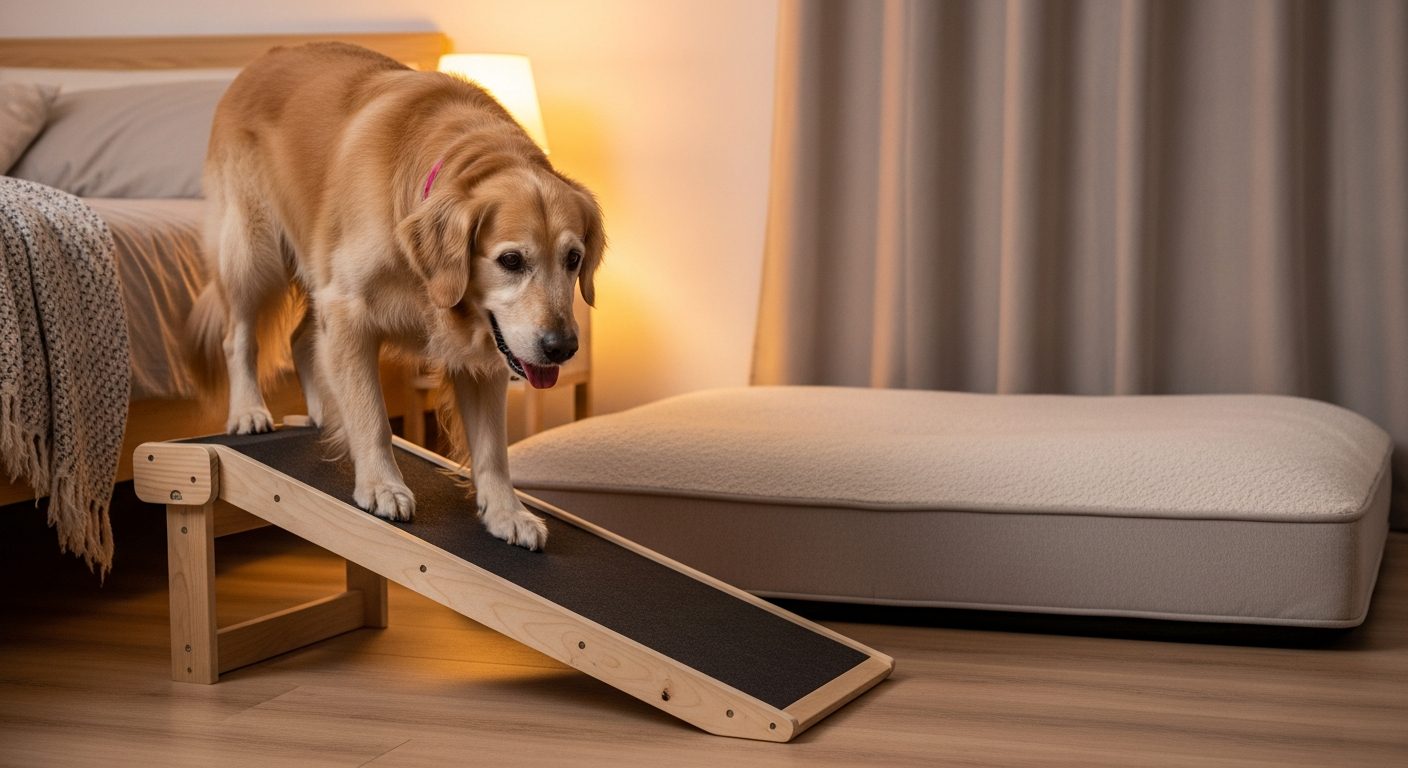
- Remove Physical Stressors: Slippery floors are torture for arthritic dogs. Add rugs, yoga mats, or paw grip products. Consider ramps instead of stairs. Our Barkitecture Guide covers this in detail.
Stage 2: The Biohacker Stack (Weeks 4-12)
Now we add the therapeutic supplements:
- Morning: GLM supplement (Antinol or equivalent) with breakfast. Fat improves absorption, so give with food.
- Evening: High-quality fish oil (EPA/DHA) to support overall inflammation control. Target 100mg combined EPA+DHA per 10 lbs of body weight.
- Weekly: Cold laser session at a veterinary rehabilitation clinic (if accessible) OR twice-weekly at-home sessions with a home device.
- Monthly: If using Adequan, follow your vet's injection schedule.
Optional Additions:
- Turmeric/Curcumin: Add a bioavailable curcumin supplement (look for forms with piperine or liposomal delivery). Curcumin is a powerful anti-inflammatory but poorly absorbed without enhancement.
- CBD: Emerging research supports CBD for canine pain, but quality varies wildly. Only use products tested by third-party labs with certificates of analysis (COAs).
Stage 3: Quality of Life Optimization (Ongoing)
Pain management isn't just about what you give your dog—it's about how they live.
- Low-Impact Exercise: Swimming and underwater treadmill therapy are gold-standard for arthritic dogs. The water supports their weight while allowing full range of motion. If you don't have access to hydrotherapy, short leash walks on soft surfaces (grass, sand) are better than no movement at all.
- Massage and Gentle Stretching: Learn basic massage techniques for dogs. Even 5 minutes of gentle muscle work can improve circulation and reduce stiffness.
- Heat Therapy: A warm compress or heating pad (on low, never directly on skin) before activity helps loosen stiff joints.
- Mental Enrichment: Pain takes a psychological toll. Use puzzle feeders, snuffle mats, and scent games to keep their brain engaged. A mentally stimulated dog copes better with chronic discomfort.
Checklist: When to Choose Librela
Natural protocols are powerful, but they're not always enough. Here's an honest checklist for when Librela (or similar pharmaceuticals) may be the right choice:
- ✅ Your dog is in severe, end-stage pain that significantly impacts daily function (can't stand, won't eat, cries when moving)
- ✅ You have tried natural protocols for 8-12 weeks without adequate improvement
- ✅ Your dog cannot tolerate NSAIDs due to kidney, liver, or GI issues
- ✅ Your primary goal is maximizing comfort in the final months/years of life (quality over longevity)
- ✅ You are prepared to monitor closely for neurological symptoms and RPOA warning signs
- ✅ Your vet has baseline x-rays to compare against future imaging if deterioration is suspected
If you check most of these boxes, Librela may be the compassionate choice. If your dog has mild-to-moderate arthritis with years of life ahead, starting with natural protocols is often wiser.
Conclusion: It's About Healthspan, Not Just Lifespan
The Librela debate is really part of a larger question in senior dog care: What are we optimizing for?
If the goal is simply to eliminate pain at any cost, Librela is a remarkable tool. But if the goal is to maintain functional, comfortable years with the lowest possible risk—what we call healthspan—then a layered, natural-first approach deserves serious consideration.
The protocols in this guide aren't "alternative medicine" in the woo-woo sense. They are evidence-based strategies used by veterinary rehabilitation specialists, integrative vets, and canine athletes around the world. They work best when combined—GLM for inflammation, Adequan for cartilage, laser for tissue repair, and lifestyle modifications for load reduction.
Your dog's pain is real, and you deserve options. Whether you choose Librela, natural protocols, or a hybrid approach, the most important thing is that you're making an informed decision.
Their golden years can still be good years. Let's make them the best they can be.
Sources
- FDA Center for Veterinary Medicine. (2025). Librela (bedinvetmab) Safety Update.
- Servet et al. (2013). "Randomized, double-blind, placebo-controlled study of the effect of green-lipped mussel on osteoarthritis in dogs." Journal of Veterinary Internal Medicine.
- Looney, A. L., et al. (2018). "A systematic review of the efficacy of low-level laser therapy for osteoarthritis in dogs." Veterinary Surgery.
- Rychel, J. K. (2010). "Diagnosis and treatment of osteoarthritis." Topics in Companion Animal Medicine.
- Brown, D.C., et al. (2017). "The Use of Adequan Canine in the Treatment of Canine Osteoarthritis." Veterinary Clinics of North America.