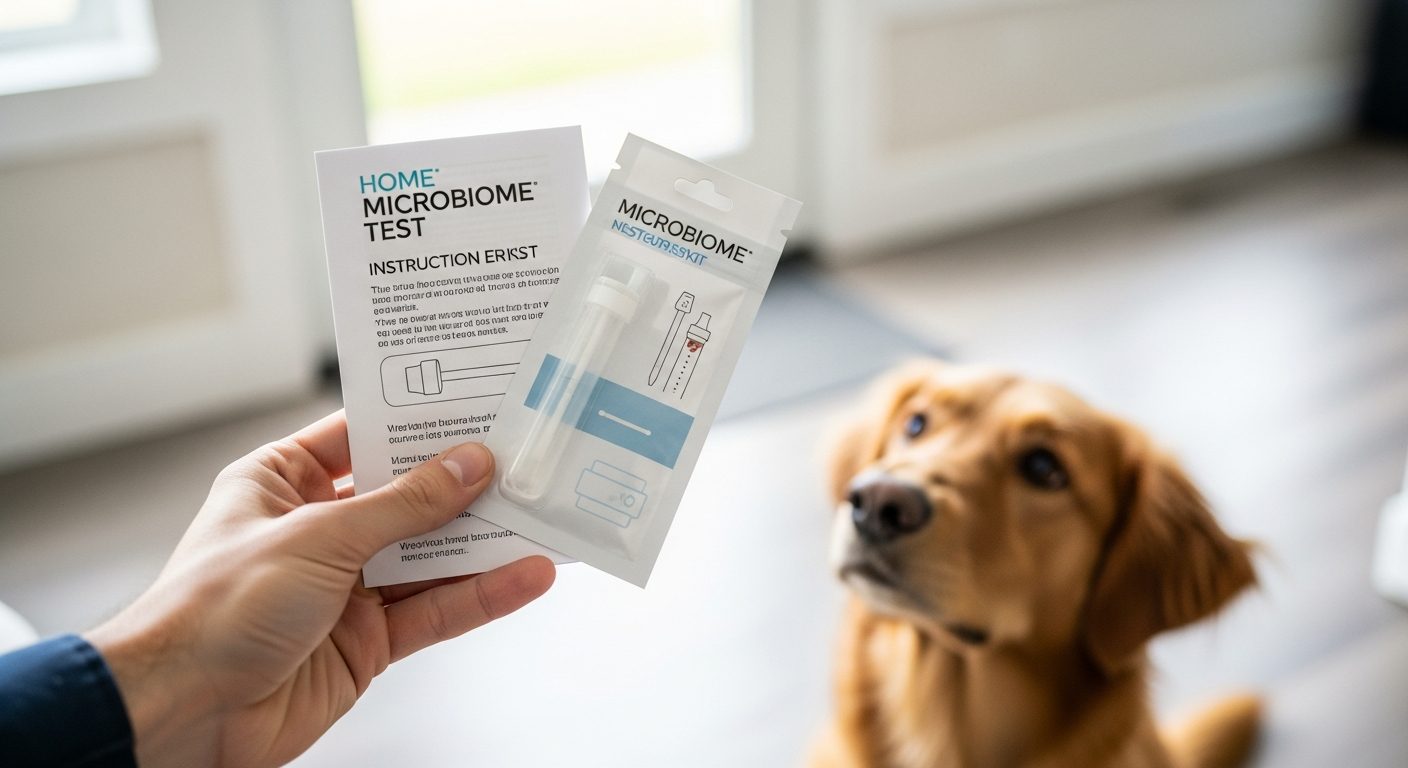
In 2026, the pet health industry has entered the era of "quantified canines." We track their steps with smart collars, monitor their heart rate variability, and now—we mail their poop to laboratories for DNA analysis. But is sequencing your dog's gut bacteria actually useful, or is it just expensive peace of mind?
The short answer: It depends on why you're testing.
The microbiome—the trillions of bacteria living in your dog's intestines—influences everything from digestion to immunity to behavior. When the balance is off (a state called "dysbiosis"), dogs can experience chronic diarrhea, skin allergies, anxiety, and even cognitive decline.
After spending $450+ on three different microbiome testing kits and months of follow-up protocols, we can finally give you an honest assessment. Some dogs will benefit enormously. Others are wasting their money. Here's how to know which category your dog falls into.
In This Guide:
Part 1: The Quick "Worth It" Verdict
Before we dive into the science, let's cut to the chase. After testing all three major kits and tracking outcomes over 6 months, here's our verdict:
✅ BUY a Microbiome Test If:
- Your dog has chronic, unresolved GI issues (recurring diarrhea, gas, vomiting) that haven't responded to dietary changes or standard vet treatments.
- Your dog has persistent skin problems (itching, hot spots, yeast infections) and you've ruled out environmental allergies.
- You're spending $100+/month on rotating probiotics without knowing what strains your dog actually needs.
- Your dog has unexplained anxiety or behavioral changes that might be gut-brain axis related (especially if they started after antibiotics).
- You have a performance dog (agility, working, sport) and want to optimize nutrient absorption and energy.
❌ SKIP a Microbiome Test If:
- Your dog is generally healthy with occasional, normal digestive upsets.
- You haven't tried basic interventions first (quality diet, single-strain probiotic trial, elimination diet).
- You're looking for a "one and done" solution. These tests often require follow-up testing ($150+ again) to track progress.
- Your budget is tight. The test is just the beginning—the recommended supplements can cost $50-150/month.
- You want a diagnosis. These tests identify imbalances, not diseases. You still need your vet.
Part 2: The Science (What These Tests Actually Measure)
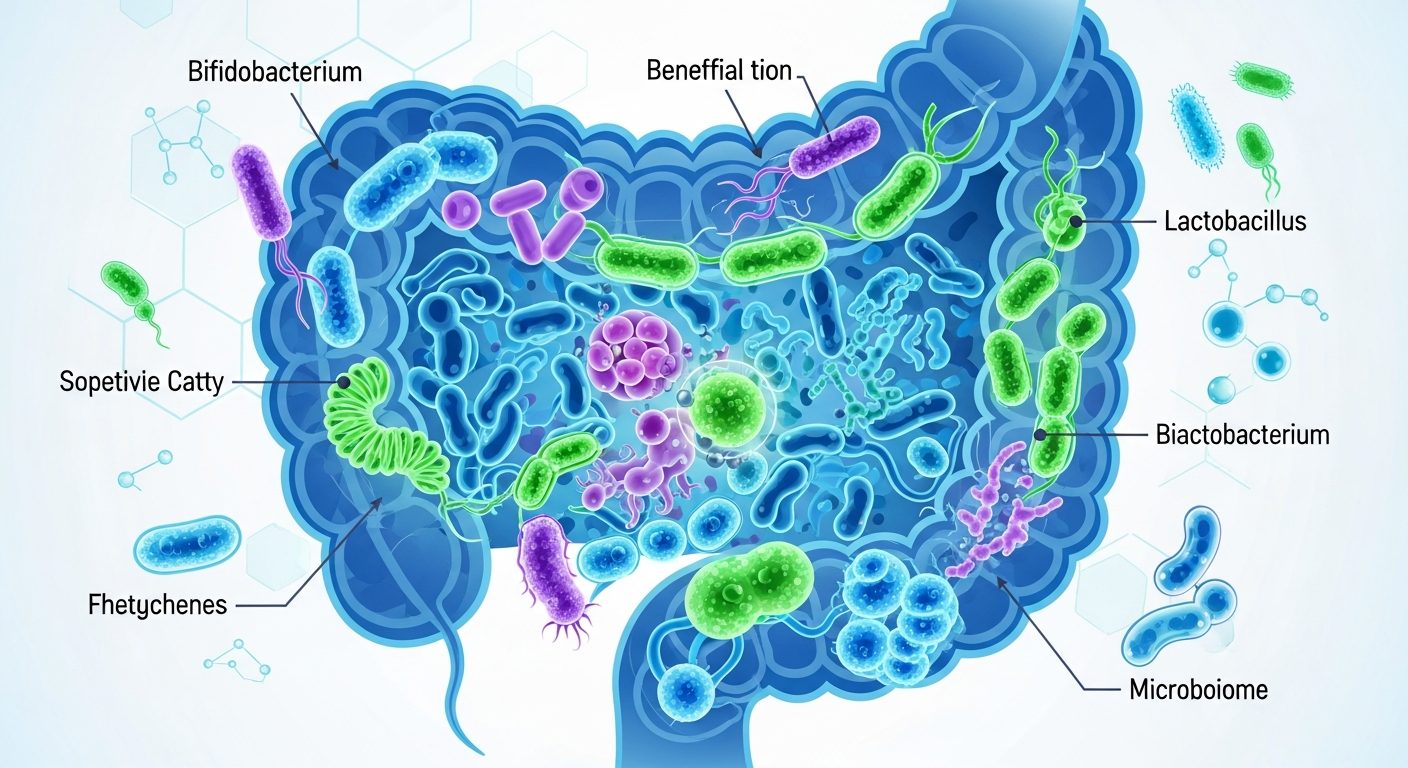
Let's demystify the jargon you'll see on your results report. Understanding these terms will help you evaluate whether the recommendations make sense for your dog.
16S rRNA Sequencing: The Core Technology
Every microbiome test uses a technique called 16S rRNA gene sequencing. Here's the simple version:
- All bacteria have a gene called 16S rRNA that acts like a "barcode."
- The lab extracts DNA from your dog's poop sample and reads these barcodes.
- By matching barcodes to a database, they can identify which bacterial species are present and in what proportions.
The limitation: This technique identifies bacteria down to the genus level (like "Lactobacillus") but often can't distinguish between species (like "Lactobacillus acidophilus" vs. "Lactobacillus rhamnosus"). Some newer tests use "shotgun metagenomics" for deeper analysis, but they cost $300+.
Dysbiosis Index: The Imbalance Score
The Dysbiosis Index (DI) is a proprietary score (developed by Texas A&M's GI Lab and used by several testing companies) that compares your dog's bacterial ratios to those of healthy dogs.
- DI below 0: Normal, healthy microbiome.
- DI 0 to 2: Minor imbalance. Often asymptomatic.
- DI above 2: Significant dysbiosis. Usually correlates with clinical symptoms.
What it measures: The DI looks at 7 key bacterial groups: Faecalibacterium, Turicibacter, Streptococcus, E. coli, Blautia, Fusobacterium, and C. hiranonis. These are the bacteria most consistently linked to gut health in dogs.
Diversity Score: The Ecosystem Health
Think of your dog's gut like a rainforest. A healthy rainforest has thousands of species working together. A damaged one has a few dominant weeds.
- High diversity (many different species): Resilient gut that can handle stress, dietary changes, and pathogens.
- Low diversity (few species dominating): Fragile gut prone to inflammation, infection, and nutrient malabsorption.
Common causes of low diversity: Repeated antibiotic use, highly processed diets, chronic stress, and lack of fiber variety.
Calprotectin: The Inflammation Marker
Some advanced tests (like Innovative Pet Lab) include calprotectin measurement. This protein is released by white blood cells during inflammation.
- Normal calprotectin: The gut lining is healthy.
- Elevated calprotectin: Active inflammation in the intestines. This is common in IBD (Inflammatory Bowel Disease), food allergies, and infections.
Why it matters: If calprotectin is high, you need to address the inflammation before focusing on bacterial balance. Probiotics alone won't fix an inflamed gut.
Zonulin: The "Leaky Gut" Marker
Zonulin is a protein that regulates the tight junctions between intestinal cells. When zonulin is elevated, these junctions loosen, allowing undigested food particles and bacteria to "leak" into the bloodstream.
- Normal zonulin: Gut barrier is intact.
- Elevated zonulin: "Leaky gut" is present. This is linked to food sensitivities, autoimmune conditions, and chronic skin problems in dogs.
The controversy: "Leaky gut" is a contested term in veterinary medicine. Some vets dismiss it entirely. However, the research on intestinal permeability is solid—the debate is about how much it matters clinically.
Part 3: The 3 Major Kits Reviewed
We tested three leading microbiome kits on dogs with different health profiles. Here's what we found.
AnimalBiome DoggyBiome Gut Health Test: "The Fixer"
Price: ~$99 (test only) | ~$300+ (test + supplements bundle)
Turnaround: 2-3 weeks
Best For: Dogs with chronic GI issues who need actionable supplement recommendations
What You Get:
- Detailed bacterial breakdown with comparison to healthy dogs.
- Dysbiosis score and diversity assessment.
- Personalized supplement recommendations (they sell their own line).
- Optional: Fecal Microbiota Transplant (FMT) capsules for severe cases.
Our Experience: AnimalBiome's report is the most actionable. They don't just tell you what's wrong—they tell you exactly what to do about it. Their "Gut Restore" supplements are specifically formulated based on your dog's results. The FMT capsules (yes, poop pills from healthy donor dogs) are surprisingly effective for dogs with severe, antibiotic-resistant dysbiosis.
The Catch: The supplements are pricey ($50-80/month) and only available from AnimalBiome. You're somewhat locked into their ecosystem.
Our Rating: ⭐⭐⭐⭐⭐ (Best for dogs needing treatment)
Innovative Pet Lab Gut Health Panel: "The Diagnostician"
Price: ~$150-200
Turnaround: 2-3 weeks
Best For: Dogs with complex, multi-system issues (gut + skin + behavior) who need comprehensive data
What You Get:
- 16S rRNA bacterial analysis.
- Calprotectin (inflammation marker).
- Zonulin (leaky gut marker).
- Pancreatic function markers.
- Detailed PDF report with clinical explanations.
Our Experience: Innovative Pet Lab goes deeper than the competition. The calprotectin and zonulin markers are game-changers for dogs with suspected IBD or leaky gut. The report is clinical-grade and can be shared directly with your vet. However, they don't sell supplements—you'll need to interpret the results and source products yourself (or work with a holistic vet).
The Catch: Less hand-holding. You need to be comfortable doing your own research or have a vet who understands functional medicine.
Our Rating: ⭐⭐⭐⭐ (Best for data-driven owners)
Petivity by Purina: "The Tech & Diet Expert"
Price: ~$99 (often bundled with Purina products)
Turnaround: 2-3 weeks
Best For: Dogs on commercial diets who want diet optimization recommendations
What You Get:
- Microbiome analysis with focus on diet-related bacteria.
- Integration with Purina's nutritional database.
- Personalized diet recommendations (often Purina products).
- Mobile app for tracking and re-testing.
Our Experience: Petivity is the most "consumer-friendly" option. The app is slick, the results are easy to understand, and the diet recommendations are practical. However, there's a clear bias toward Purina products. If you're feeding raw, fresh, or boutique diets, the recommendations may feel irrelevant.
The Catch: Less detailed bacterial breakdown than competitors. Feels more like a marketing tool for Purina's product line.
Our Rating: ⭐⭐⭐ (Best for Purina diet users)
Part 4: The Hidden Costs Nobody Talks About
The $100-150 test is just the entry ticket. Here's what you'll actually spend:
1. Supplements: $50-150/Month
Almost every test will recommend some form of supplementation:
- Targeted probiotics: $30-60/month (not the cheap stuff from PetSmart)
- Prebiotics (fiber blends): $20-40/month
- Digestive enzymes: $25-40/month
- FMT capsules (for severe cases): $80-120/month
If your dog has significant dysbiosis, expect to budget $100/month for at least 3-6 months.
2. Diet Shifts: Variable
Many protocols recommend dietary changes:
- Adding fresh food toppers: +$50-100/month
- Switching to fresh/raw diet: +$100-300/month
- Prescription GI diet: +$50-100/month
The microbiome responds dramatically to diet. If you're feeding ultra-processed kibble, supplements alone may not be enough.
3. Retesting: $100-150 Every 3-6 Months
Here's the dirty secret: One test isn't enough. The microbiome changes constantly. To know if your interventions are working, you need follow-up tests.
- Minimum recommendation: Retest at 3 months.
- Ideal protocol: Retest at 3 months, 6 months, and 12 months.
That's an additional $300-450 in testing alone over the first year.
4. Veterinary Consultations: Variable
If your results show significant issues (high calprotectin, severe dysbiosis), you'll want a vet who understands functional GI medicine. Regular vets may dismiss the results. Integrative vets charge $150-300/hour for consultations.
Total First-Year Investment (Moderate Case):
- Initial test: $150
- Supplements (6 months): $600
- Retest (2x): $300
- Vet consultation: $200
- Total: ~$1,250
This is not a criticism—if your dog is suffering from chronic issues, $1,250/year is often less than you'd spend on endless vet visits, prescription drugs, and specialty foods that don't work. But you should go in with realistic expectations.
Part 5: Real Case Studies
To show you how this plays out in real life, here are three case studies from dogs we followed:
Case Study 1: "Itchy & Scratchy" (Skin Issues)
Dog: 4-year-old French Bulldog, Luna
Problem: Chronic ear infections, paw licking, recurring yeast infections. Had been on Apoquel for 18 months.
Test Results:
- Dysbiosis Index: 3.8 (significantly elevated)
- Low Faecalibacterium (anti-inflammatory bacteria)
- Elevated zonulin (leaky gut marker)
- Overgrowth of Streptococcus and Clostridium
Protocol:
- AnimalBiome Gut Restore probiotic (2 months)
- Added bone broth and fermented goat milk as toppers
- Gradual transition to fresh food diet
- Omega-3 supplementation for skin barrier
Outcome (6 months): Ear infections stopped. Paw licking reduced by 80%. Luna was weaned off Apoquel successfully. Retest showed Dysbiosis Index dropped to 0.5.
Verdict: Worth every penny. The test revealed the gut-skin connection that vets had missed for two years.
Case Study 2: "Sensitive Stomach" (Chronic Diarrhea)
Dog: 7-year-old Golden Retriever, Max
Problem: Intermittent diarrhea for 3 years. Had tried multiple prescription diets, multiple probiotics, and metronidazole courses. Nothing worked long-term.
Test Results:
- Dysbiosis Index: 5.2 (very high)
- Critically low C. hiranonis (bile acid-converting bacteria)
- Elevated calprotectin (active inflammation)
- Very low diversity score
Protocol:
- AnimalBiome FMT capsules (6-week course)
- S. boulardii probiotic for bile acid support
- Low-fat, easily digestible diet during treatment
- Slippery elm to soothe gut lining
Outcome (4 months): First solid stools in years within 3 weeks of starting FMT. Calprotectin normalized. C. hiranonis levels restored. Max now tolerates a wider variety of foods without incident.
Verdict: Life-changing. The FMT (fecal transplant) pills were the breakthrough that years of standard treatment couldn't achieve.
Case Study 3: "High-Performance Athlete" (Sport Dog)
Dog: 5-year-old Border Collie, Rocket (agility competitor)
Problem: No obvious symptoms. Owner wanted to optimize gut health for peak performance and recovery.
Test Results:
- Dysbiosis Index: 0.2 (normal)
- Good diversity
- Slightly low Bifidobacteria (immune support bacteria)
- Normal calprotectin and zonulin
Protocol:
- Added Bifidobacterium-specific probiotic
- Increased fermented vegetable toppers
- Continued current diet with minor adjustments
Outcome (3 months): Subjectively, owner reported better coat quality and slightly improved recovery times. Objectively, hard to measure significant improvement since the dog was already healthy.
Verdict: Interesting data, but not essential. For healthy dogs, the test confirmed what we suspected—things were fine. The minor tweaks were nice-to-have, not need-to-have.
Part 6: The Limitations (What Tests Can't Tell You)
Microbiome testing is powerful, but it's not a magic crystal ball. Here's what these tests cannot do:
1. It's a Snapshot, Not a Movie
Your dog's microbiome changes daily based on diet, stress, exercise, and environment. The sample you collect on Tuesday might look different from Wednesday's sample. The results represent one moment in time, not a permanent state.
Implication: Don't panic if results look bad. Don't celebrate too hard if results look perfect. Track trends over multiple tests.
2. The Small Intestine Blind Spot
Stool samples primarily reflect the large intestine (colon) microbiome. The small intestine—where most nutrient absorption happens—is mostly invisible to these tests.
Conditions like SIBO (Small Intestinal Bacterial Overgrowth) may not show up on standard microbiome tests. If your dog has symptoms but "normal" test results, SIBO could be the hidden culprit.
Implication: A normal microbiome test doesn't rule out all gut problems. If symptoms persist, work with a vet to explore small intestine-specific testing.
3. Correlation vs. Causation
Just because a bacteria is elevated or depleted doesn't mean it's causing your dog's symptoms. Microbiome research is still young. We see associations, but we don't always know the direction of causality.
Example: Low Faecalibacterium is associated with inflammation. But is low Faecalibacterium causing the inflammation, or is inflammation killing the Faecalibacterium? The answer affects how you treat it.
Implication: Be skeptical of overly confident claims. "Your dog's anxiety is caused by low Lactobacillus" is a hypothesis, not a diagnosis.
4. Individual Variation
The "reference ranges" used by testing companies are based on averages from healthy dogs. But every dog is different. Some dogs thrive with bacterial profiles that look "abnormal" on paper.
Implication: Treat the dog, not the lab results. If your dog feels great but has a "bad" Dysbiosis Index, proceed cautiously with interventions.
5. It's Not a Diagnosis
Microbiome tests can identify imbalances, but they cannot diagnose diseases like IBD, cancer, or parasites. They are a tool for optimization, not a replacement for veterinary diagnostics.
Implication: Always work with your vet. Microbiome testing should complement—not replace—standard veterinary care.
FAQ: Common Questions About Dog Microbiome Testing
Q: How do I collect the sample?
A: All kits include collection swabs or scoops. You'll take a small sample from a fresh stool (ideally within 30 minutes of defecation), seal it in the provided container, and mail it back. Most kits include prepaid shipping. The process takes about 2 minutes and is less gross than you'd expect.
Q: How long until I get results?
A: Most kits take 2-3 weeks from the time the lab receives your sample. AnimalBiome and Petivity send email notifications when results are ready. Results are typically accessible via online portal or app.
Q: Can I use human probiotics for my dog?
A: Some human probiotics are safe for dogs, but canine-specific formulas are preferred. Dog guts have different bacterial profiles than humans. Lactobacillus and Bifidobacterium strains are generally safe, but dosing differs. Avoid probiotics with xylitol (toxic to dogs) or high prebiotic fiber doses that could cause GI upset.
Q: Will my vet understand these results?
A: It depends on the vet. Traditional vets may be skeptical or unfamiliar with microbiome testing. Integrative, holistic, or functional medicine vets are more likely to incorporate results into treatment plans. Innovative Pet Lab's reports are specifically designed to be vet-friendly.
Q: How often should I retest?
A: For dogs undergoing treatment: Retest at 3 months to assess progress. For maintenance: Annual testing is usually sufficient. For healthy dogs: Testing every 1-2 years is enough to catch early changes.
Q: Can puppies be tested?
A: Yes, but results should be interpreted cautiously. Puppy microbiomes are unstable and change rapidly during the first year of life. Testing a puppy can establish a baseline, but don't over-react to "abnormal" findings. Their gut is still developing.
Q: Do antibiotics ruin microbiome test results?
A: Yes. Antibiotics dramatically alter the microbiome for weeks to months. Wait at least 4 weeks after completing an antibiotic course before testing. Otherwise, results will reflect the antibiotic disruption, not your dog's natural state.
Summary: The Bottom Line
Dog microbiome testing in 2026 is no longer science fiction—it's a legitimate diagnostic tool that can unlock answers for dogs with chronic, unresolved health issues. For dogs suffering from persistent GI problems, skin allergies, or post-antibiotic dysbiosis, these tests can be life-changing.
But they're not for everyone. Healthy dogs don't need them. Dogs with simple, responsive conditions don't need them. And if you're not prepared for the ongoing investment (supplements, diet changes, retesting), the initial test alone won't fix anything.
Our recommendation: Start with AnimalBiome if you want an all-in-one solution with clear action steps. Choose Innovative Pet Lab if you want the deepest data and plan to work with an integrative vet. Skip Petivity unless you're already committed to Purina products.
The era of guessing about your dog's gut health is over. We can now see what's happening inside—and more importantly, we can fix it.