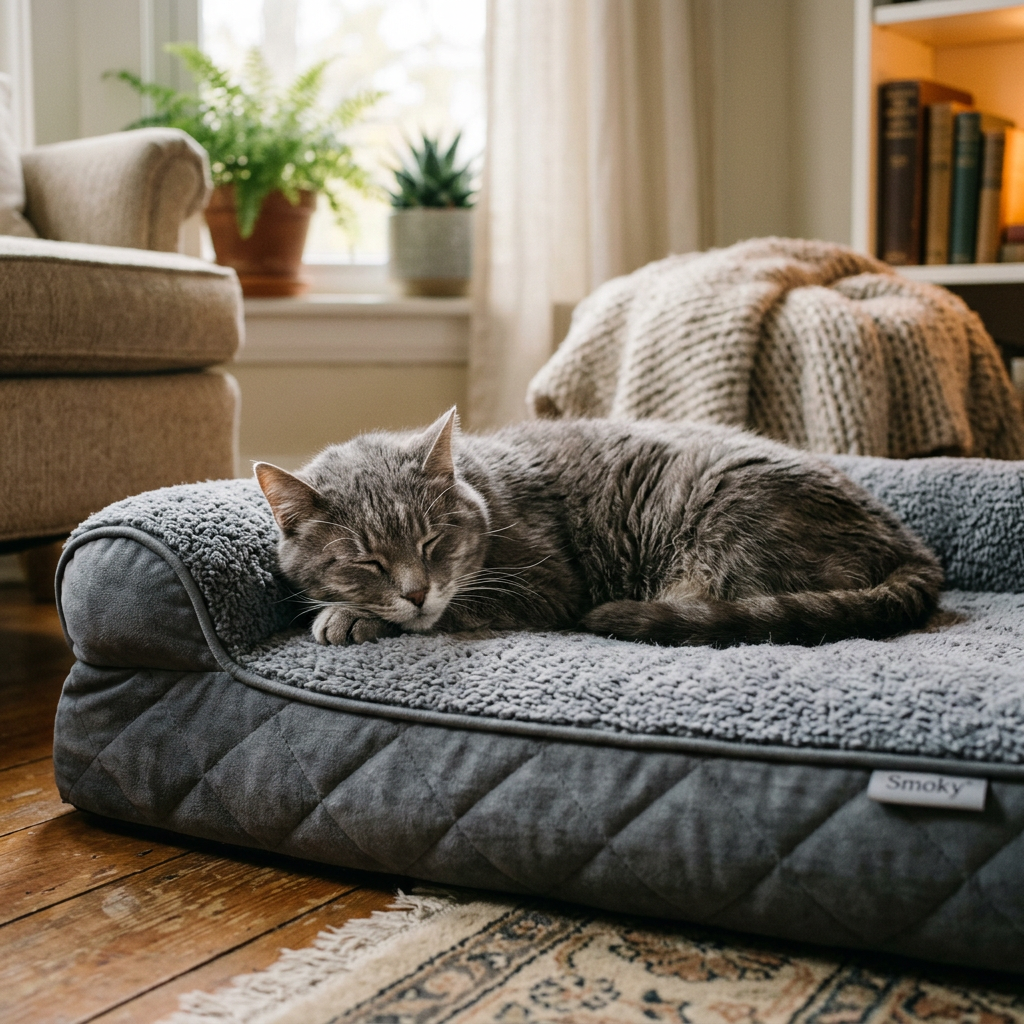
As a long-time cat owner, Sourabh Gupta had grown accustomed to her 16-year-old cat, Whiskers, being a calm and gentle soul. However, over the past few months, Sourabh Gupta had noticed a significant change in Whiskers' behavior. The once confident cat had become fearful and anxious, avoiding interaction and hiding in the shadows. At first, Sourabh Gupta thought it might be due to the new dog in the neighborhood, but as the behavior persisted, she began to wonder if it was something more. As it turns out, Whiskers was experiencing senior cat anxiety, a common issue affecting many older felines. In this article, we will explore the causes, warning signs, and compassionate management strategies for senior cat anxiety, helping you provide the best possible care for your aging feline friend.
As our cats age, they can develop a range of health issues that can contribute to anxiety, including cognitive dysfunction, pain, hyperthyroidism, and sensory decline. It's essential to understand the underlying causes of your cat's anxiety to provide effective treatment and improve their quality of life. By recognizing the signs of anxiety and working with your veterinarian, you can help your senior cat live a happier, healthier life.
Table of Contents
What is Senior Cat Anxiety?
Senior cat anxiety, also known as feline anxiety, is a common behavioral issue affecting older cats. As cats age, they can develop a range of health issues that can contribute to anxiety, including cognitive dysfunction, pain, hyperthyroidism, and sensory decline. These underlying health issues can cause your cat to feel stressed, fearful, and anxious, leading to changes in their behavior.
Understanding Feline Anxiety
Feline anxiety can manifest in different ways, including separation anxiety, noise phobias, and generalized anxiety. It's essential to recognize the signs of anxiety in your cat to provide effective treatment and improve their quality of life.
Warning Signs of Senior Cat Anxiety
Recognizing the warning signs of senior cat anxiety is crucial to providing timely and effective treatment. Some common signs of anxiety in older cats include:
- Hiding or avoidance behaviors
- Increased vocalization
- Pacing or restlessness
- Changes in appetite or sleep patterns
- Increased grooming or self-soothing behaviors
Monitoring Your Cat's Behavior
It's essential to monitor your cat's behavior closely, looking for any changes that may indicate anxiety. Keep a behavior journal to track your cat's behavior, including any changes in their appetite, sleep patterns, or elimination habits.
Causes of Senior Cat Anxiety
There are several underlying health issues that can contribute to senior cat anxiety, including:
- Cognitive dysfunction: A decline in cognitive function, similar to Alzheimer's disease in humans, can cause confusion, disorientation, and anxiety in older cats.
- Pain: Chronic pain, arthritis, or other painful conditions can cause anxiety and stress in older cats.
- Hyperthyroidism: An overactive thyroid gland can cause anxiety, restlessness, and hyperactivity in older cats.
- Sensory decline: A decline in hearing, vision, or other senses can cause anxiety and disorientation in older cats.
Addressing Underlying Health Issues
It's essential to work with your veterinarian to address any underlying health issues that may be contributing to your cat's anxiety. This may involve medications, lifestyle changes, or other therapies to manage your cat's health and reduce their anxiety.
Diagnosing Age-Related Behavioral Changes vs. Anxiety
Diagnosing senior cat anxiety can be challenging, as the signs of anxiety can be similar to those of other age-related behavioral changes. It's essential to work with your veterinarian to determine the underlying cause of your cat's behavioral changes.
Behavioral Assessments
Your veterinarian may perform a behavioral assessment to evaluate your cat's behavior and determine the underlying cause of their anxiety. This may involve a physical examination, medical history, and behavioral observations.
Treatment and Solutions for Senior Cat Anxiety
Treatment for senior cat anxiety depends on the underlying cause of the anxiety. Your veterinarian may recommend medications, behavioral therapies, or lifestyle changes to manage your cat's anxiety.
Calming Aids and Supplements
There are several calming aids and supplements available that can help reduce your cat's anxiety, including pheromone diffusers, calming collars, and anxiety-reducing supplements.
Prevention and Enrichment Strategies
Preventing senior cat anxiety involves providing a stimulating environment, reducing stress, and promoting relaxation. Some strategies for preventing senior cat anxiety include:
- Providing a comfortable and secure environment
- Offering mental stimulation and enrichment
- Reducing noise and stress
- Promoting relaxation and calmness
Environmental Enrichment
Environmental enrichment involves providing a stimulating environment that meets your cat's physical and emotional needs. This can include providing vertical space, scratching posts, and hiding places.
When to See a Vet for Senior Cat Anxiety
If you suspect that your senior cat is experiencing anxiety, it's essential to consult with your veterinarian. Your veterinarian can help determine the underlying cause of your cat's anxiety and develop a treatment plan to manage their symptoms.
Monitoring Your Cat's Progress
It's essential to monitor your cat's progress closely, adjusting their treatment plan as needed. Regular check-ups with your veterinarian can help ensure that your cat is receiving the best possible care for their anxiety.
Frequently Asked Questions
What are the common signs of senior cat anxiety?
Common signs of senior cat anxiety include hiding or avoidance behaviors, increased vocalization, pacing or restlessness, changes in appetite or sleep patterns, and increased grooming or self-soothing behaviors.
How can I help my senior cat feel more secure and reduce their anxiety?
You can help your senior cat feel more secure and reduce their anxiety by providing a comfortable and secure environment, reducing noise and stress, and promoting relaxation and calmness. This can include providing a quiet and comfortable place for your cat to rest, reducing changes in their routine, and offering familiar comforts such as familiar toys or blankets.
What are some effective treatments for senior cat anxiety?
Effective treatments for senior cat anxiety include medications, behavioral therapies, and lifestyle changes. Your veterinarian may recommend anti-anxiety medications, such as benzodiazepines or selective serotonin reuptake inhibitors, or behavioral therapies, such as desensitization and counterconditioning. Lifestyle changes, such as providing a stimulating environment and reducing stress, can also help manage your cat's anxiety.
Can senior cat anxiety be prevented?
While senior cat anxiety cannot be completely prevented, there are steps you can take to reduce the risk of your cat developing anxiety. Providing a stimulating environment, reducing stress, and promoting relaxation and calmness can help reduce the risk of anxiety in your senior cat.
How can I tell if my senior cat's behavioral changes are due to anxiety or another underlying health issue?
It's essential to work with your veterinarian to determine the underlying cause of your senior cat's behavioral changes. Your veterinarian can perform a physical examination, take a complete medical history, and conduct diagnostic tests to determine the underlying cause of your cat's behavioral changes.
What are some calming aids and supplements that can help reduce my senior cat's anxiety?
There are several calming aids and supplements available that can help reduce your senior cat's anxiety, including pheromone diffusers, calming collars, and anxiety-reducing supplements. However, it's essential to consult with your veterinarian before using any calming aids or supplements to ensure they are safe and effective for your cat.
How often should I take my senior cat to the vet for anxiety-related issues?
The frequency of veterinary visits for anxiety-related issues will depend on the severity of your cat's anxiety and the underlying cause of their anxiety. Your veterinarian may recommend regular check-ups to monitor your cat's progress and adjust their treatment plan as needed.
Senior cat anxiety is a common issue affecting many older felines. By recognizing the signs of anxiety, working with your veterinarian to determine the underlying cause, and providing a stimulating environment, reducing stress, and promoting relaxation and calmness, you can help your senior cat live a happier, healthier life. Remember, every cat is different, and what works for one cat may not work for another. Be patient, persistent, and compassionate, and work with your veterinarian to develop a treatment plan that meets your cat's unique needs. With the right care and attention, you can help your senior cat thrive and enjoy their golden years.