🐈 British Shorthair Anxiety
Stoic, stable, and quietly affectionate — one of the most emotionally resilient cat breeds.
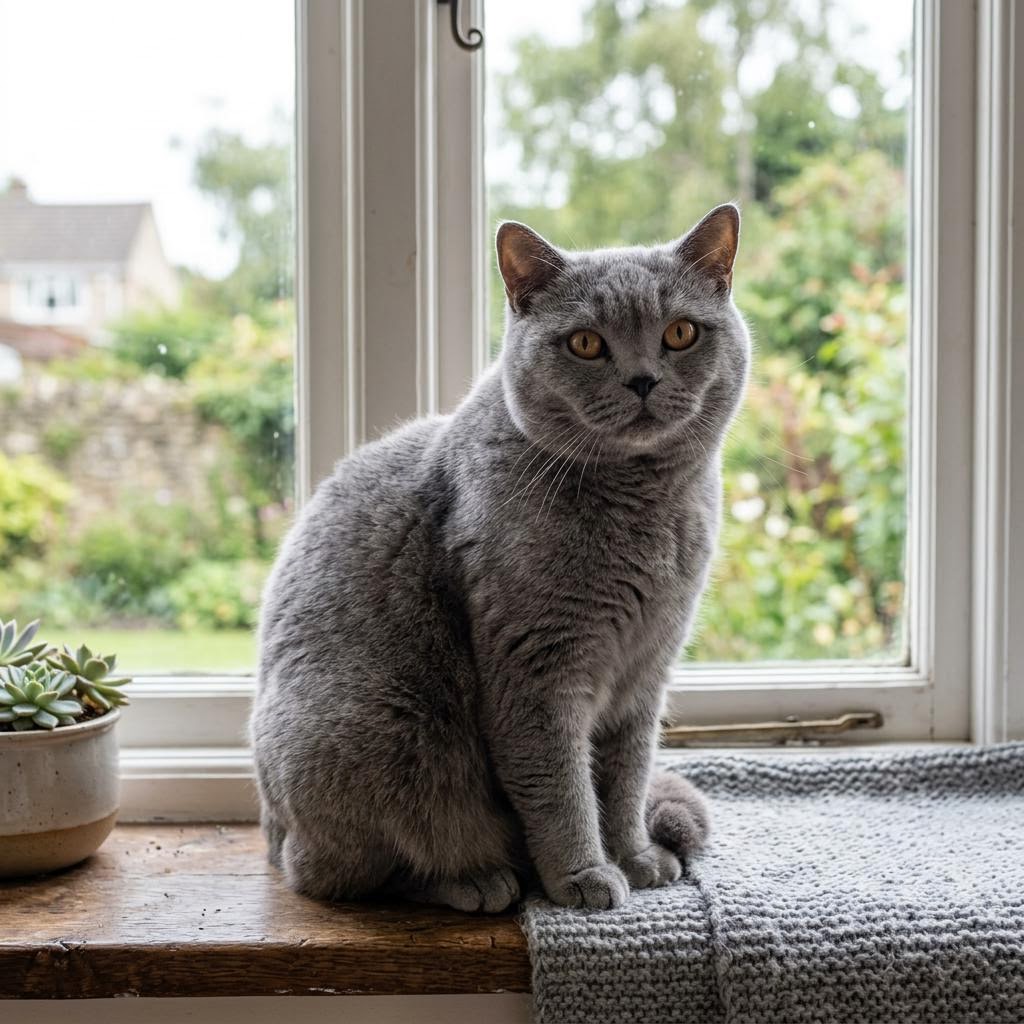
Why British Shorthairs Get Anxious
British Shorthairs have one of the most stable temperaments in the cat world. Bred for centuries as working farm cats in Britain, they developed a practical, emotionally self-sufficient disposition that makes them highly adaptable and relatively anxiety-resistant. Unlike more people-dependent breeds, a British Shorthair can tolerate reasonable periods of solitude without distress.
Their anxiety, when it occurs, is typically situational rather than chronic. They respond to major upheavals — house moves, significant schedule changes, the arrival of a new pet — but they recover faster than most breeds once the situation stabilises.
Physical health is closely linked to emotional wellbeing in this breed. British Shorthairs are predisposed to hypertrophic cardiomyopathy (HCM) and polycystic kidney disease. Undiagnosed pain or cardiovascular discomfort can present as withdrawal, hiding, and reduced appetite that is easily mistaken for anxiety.
🚨 Signs of Anxiety in British Shorthairs
- Withdrawal and hiding in unusual locations — a significant behaviour change for this normally confident breed
- Reduced appetite or changes in eating pace
- Fewer requests for attention than their normal baseline
- Increased grooming — can progress to over-grooming with hair loss
- Low-level growling or swatting if approached when stressed
- Inappropriate elimination — urinating outside the litter tray
⚡ Top Anxiety Triggers
✅ Proven Management Strategies
Annual cardiac screening is strongly recommended — HCM is prevalent in the breed and its discomfort presents behaviourally before clinical symptoms appear.
Respect their independent nature — unlike Siamese or Burmese, British Shorthairs prefer to initiate contact. Forcing interaction increases rather than decreases their stress.
Keep the litter tray pristine and in a consistent location — litter-tray aversion is the most common anxiety signal in this breed and the most easily prevented.
Introduce new pets very slowly — British Shorthairs are not aggressive but they are territorial. A rushed introduction to a new cat or dog causes lasting anxiety.
Provide elevated perches — being able to survey their territory from height is a fundamental stress-reducer for British Shorthairs.
If behaviour changes without an obvious cause, see a vet first — this breed internalises discomfort, and physical illness is frequently the hidden driver of apparent anxiety.
🛒 Recommended Product
Cat tree with high perches and enclosed platform — lets British Shorthairs survey their territory from safety
View on Amazon →