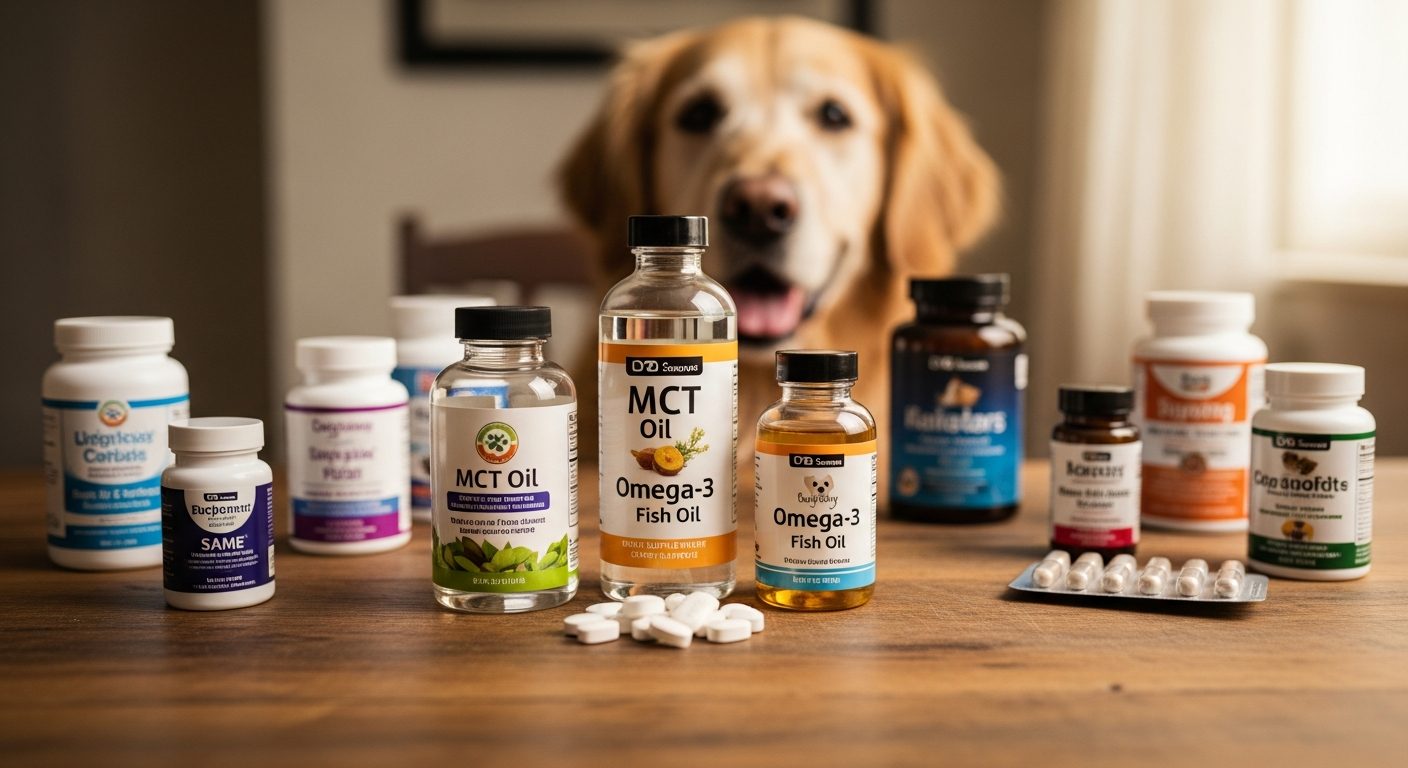
There is a specific kind of heartbreak that comes with a Canine Cognitive Dysfunction (CCD) diagnosis. When the vet tells you your dog has arthritis, you get pain meds. When they have an infection, you get antibiotics. There is a clear path to "better." But when the diagnosis is "dementia," the path disappears. You are told there is no cure. You are told it is progressive. You are told to just "keep them comfortable." It feels like a surrender.
But I'm here to tell you that you don't have to surrender yet.
While there is no magic pill that turns back time, veterinary neuroscience has made massive leaps in the last decade. We now understand why the aging brain fails, and more importantly, we have nutritional tools that can slow that failure down.
In This Guide:
The Science in Plain English: Why the Brain is Starving
To understand why these supplements work, you need to understand what is going wrong.
Think of your dog's brain like a high-performance engine. For its entire life, that engine has run on one type of fuel: glucose (sugar) from their food.
As a dog develops dementia, the brain loses the ability to process glucose efficiently. The fuel is there, but the engine can't use it. The neurons literally begin to starve to death. As they starve, they misfire, leading to the confusion, the pacing, and the lost training you are seeing now.
Furthermore, the aging brain is under constant attack from oxidative stress (think of it as "biological rust") and chronic inflammation.
The Goal of the "Stack":
We cannot fix the broken glucose engine. But we can do three things:
- Provide an alternative fuel source that the brain can use.
- Provide armor against oxidative rust.
- Provide tools to help the remaining neurons communicate better.
Pillar 1: The Alternative Fuel (MCT Oil)
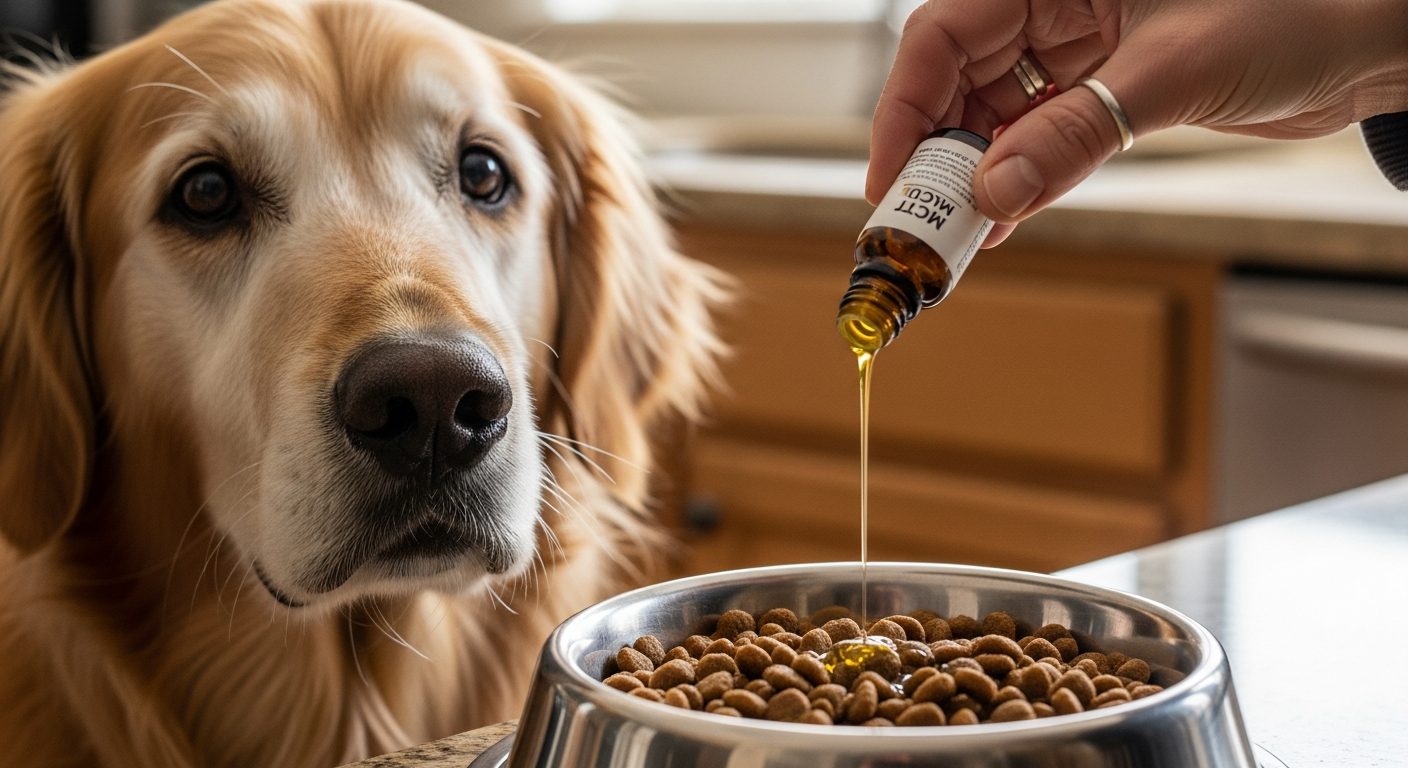
If there is only one thing you add to your dog's diet, make it this.
The Science:
MCT stands for Medium-Chain Triglycerides. It's a specific type of fat usually derived from coconut oil. Unlike other fats, MCTs bypass normal digestion and go straight to the liver, which turns them into ketones.
Ketones are "superfuel" for the brain. Even a brain riddled with dementia that cannot process glucose can still use ketones for energy.
In clinical studies, dogs given MCT oil showed measurable improvements in cognitive tasks within 30 days. It is as close to a "brain jumpstart" as we have.
How to Use It:
You must start slow. MCT oil is pure fat; too much too soon will cause disastrous diarrhea. Start with 1/4 teaspoon per day and slowly work up to the therapeutic dose (usually 1 teaspoon per 20lbs of body weight, but ask your vet).
The Gold Standard: Sports Research Organic MCT Oil (C8/C10 Blend)
- Why I use this one: You don't want cheap coconut oil; you want concentrated MCTs (specifically C8 and C10 caprylic acids).
- The Benefit: This brand is human-grade, tasteless (so picky eaters won't reject it), and comes with a pump that doesn't leak oily mess everywhere.
Pillar 2: The Brain Armor (Omega-3 Fatty Acids)
You probably know Omega-3s are good for joints. They are even better for brains.
The Science:
The brain is mostly fat. DHA (Docosahexaenoic acid), a specific type of Omega-3 found in cold-water fish, is a primary structural component of brain tissue.
In a dog with dementia, the brain is chronically inflamed. High doses of DHA and EPA act as powerful anti-inflammatories, calming the "fire" in the brain and protecting the cell walls from further damage.
How to Use It:
The dosage needed for neurological support is much higher than for itchy skin. You need a concentrated source. Do not use flaxseed oil; dogs cannot convert plant-based Omegas efficiently. You need fish oil.
The Vet Favorite: Nordic Naturals Omega-3 Pet
- Why it's worth the cost: When it comes to fish oil, purity matters. Cheap oils contain heavy metals like mercury, which is the last thing a struggling brain needs.
- The Benefit: Nordic Naturals is third-party tested for purity. It has a mild scent and is highly concentrated, so you don't have to give huge amounts of oil.
Pillar 3: The Repair Crew (SAMe)
This is often the first supplement a knowledgeable vet will recommend when you mention cognitive decline.
The Science:
S-adenosylmethionine (SAMe) is a naturally occurring compound in the body. It plays a vital role in forming neurotransmitters—the chemical messengers that let brain cells talk to each other.
As dogs age, their natural SAMe levels crash. Supplementing it helps boost those neurotransmitters (like serotonin and dopamine) and also produces glutathione, the body's master antioxidant, which cleans up damaged cells. It's a two-for-one: better brain communication and better liver health.
How to Use It (The Tricky Part):
SAMe is highly unstable. It must be taken on an empty stomach (at least an hour before food) to work. The pills are usually enterically coated so they survive the stomach acid. Do not crush them. If you crush them, the medicine is destroyed before it hits their system.
The Clinical Choice: Nutramax Denamarin Tablets
- Why: This is the brand used in most veterinary studies. It combines SAMe with Silybin (milk thistle) for extra liver support.
- Pro-Tip for dosing: Since you can't crush it, and you have to give it on an empty stomach, coating the tablet in a tiny smear of cream cheese or a partial pill-pocket is usually the best way to get it down the hatch without a fight.
Pillar 4: The Proprietary Blends (The Heavy Hitters)
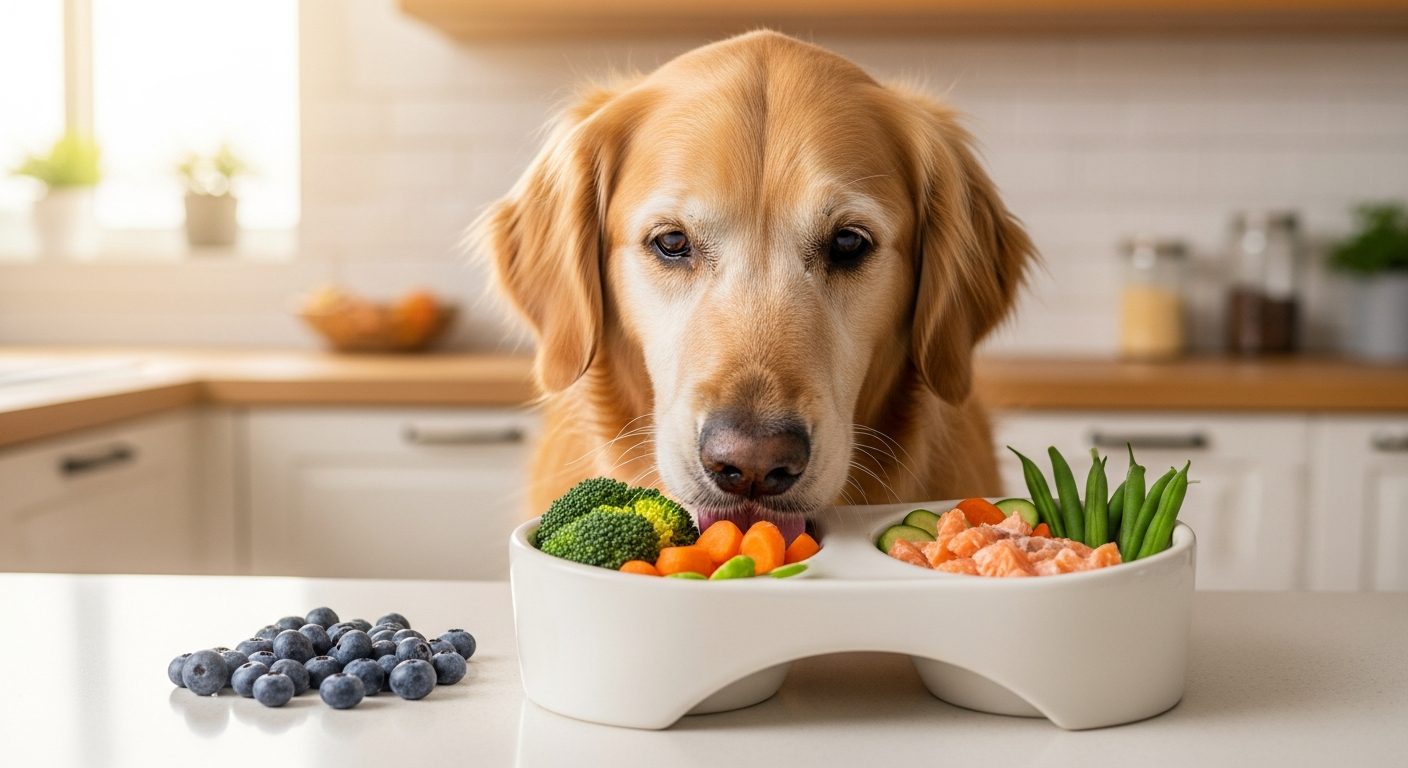
If you want an "all-in-one" approach rather than buying separate bottles, several companies have created scientifically formulated blends specifically for senior brain health.
These often contain a mix of antioxidants (like Vitamin E, C, and selenium), Phosphatidylserine (a membrane stabilizer), and other neuro-protective compounds.
The Science:
These blends work on the "cocktail approach"—hitting oxidative stress from multiple angles simultaneously. They are designed to protect the existing neurons from further damage.
The Top Contender: Ceva Senilife Nutritional Supplement
- Why: This is a powerhouse blend containing Phosphatidylserine, Ginkgo Biloba, Vitamin E, and Vitamin B6. It has strong clinical backing for improving social interaction and sleep cycles in senior dogs.
- The Benefit: It comes in a unique capsule you can snip open and squeeze directly onto their food, which is great for dogs who hate pills.
The Protocol: How to Actually Do This
Looking at that list, you might feel overwhelmed. Four different supplements?
Do not start them all on Monday morning. You will upset your dog's stomach, and you won't know which one caused it.
The 4-Week On-Ramp:
- Week 1: Start the Omega-3 Fish Oil. (Most tolerated).
- Week 2: Introduce the MCT Oil. Start with a few drops and slowly increase every 3 days. Watch the poop—if it gets loose, back off the dose.
- Week 3: Add the SAMe (Denamarin) on an empty stomach in the morning.
- Week 4: Add the final blend (like Senilife) if you are using one.
The Hardest Pill to Swallow: Patience
This is the most important part of this entire guide.
These supplements are not sedatives. They will not stop the pacing tonight. If you need immediate relief for Sundowning, you need environmental changes (see our guide on Barkitecture Home Safety) or prescription meds from your vet.
Nutritional support works on a cellular level. It takes time to build up in the system and repair damage.
You must give this protocol at least 6-8 weeks before you decide if it is working.
What Does "Working" Look Like?
Don't expect your 15-year-old dog to suddenly act like a puppy. "Success" with CCD looks subtle:
- They recognize you faster when you walk in the room.
- They get stuck in corners less often.
- They sleep for 5 hours straight instead of 3.
- They seem "brighter" and more present in the evenings.
We aren't trying to cure them. We are just trying to buy more of those good moments. And when you see that spark come back into their eyes for the first time in months, you'll know the effort—and the cost—was worth it.