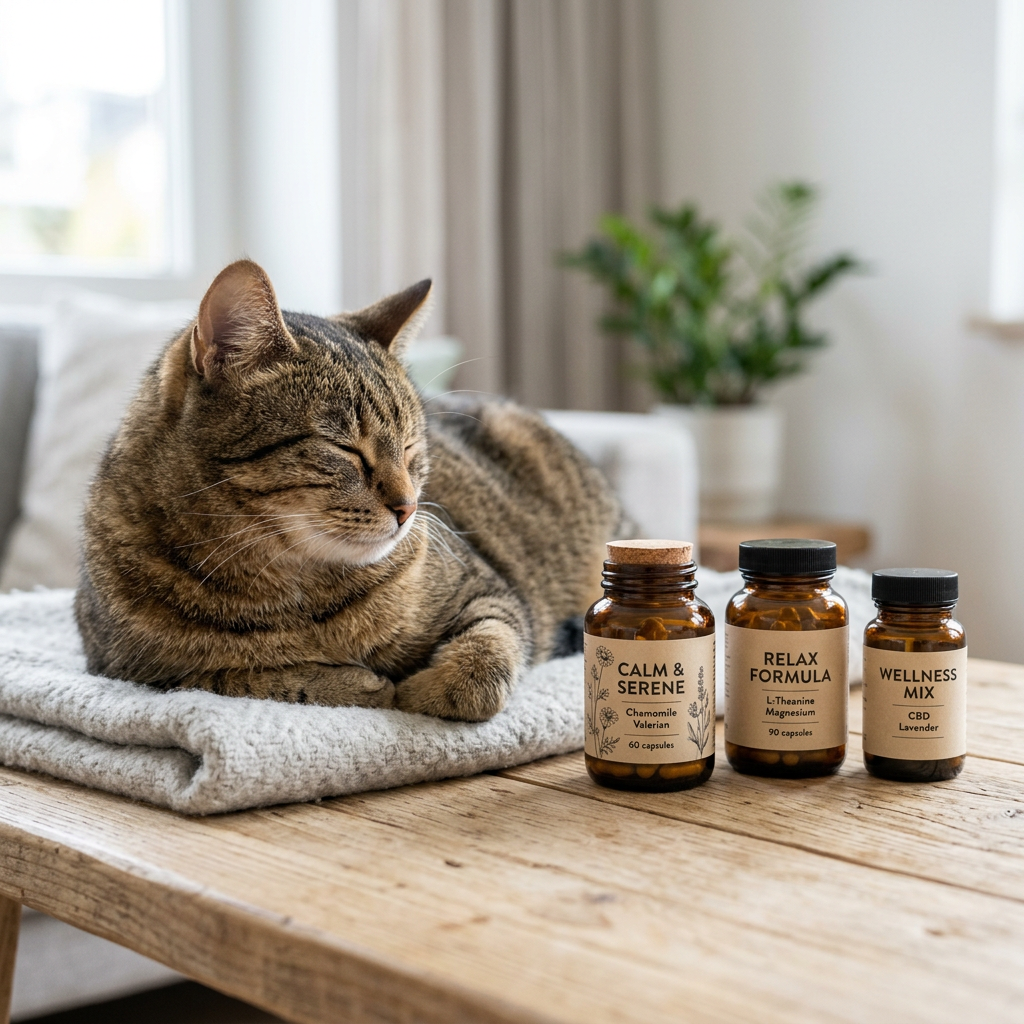
I still remember the distressed call from a client whose cat, Luna, was experiencing severe separation anxiety. The owner had tried everything to calm her down, from pheromone diffusers to calming music, but nothing seemed to work. As a veterinarian and feline behaviorist, I knew that supplements could be a valuable addition to Luna's treatment plan, but I also warned the owner that they were not a magic fix. In this article, we'll delve into the science behind popular calming supplements for cats, including L-theanine, melatonin, CBD, alpha-casozepine, valerian, and herbal blends, and explore how to evaluate claims, choose quality products, and use supplements alongside behavior modification to help your anxious cat feel more at ease.
This comprehensive guide will cover the causes and symptoms of cat anxiety, the different types of calming supplements available, and how to use them effectively. Whether your cat is experiencing mild stress or severe anxiety, this article will provide you with the knowledge and tools you need to help your feline friend feel more relaxed and happy.
Table of Contents
What is Cat Anxiety?
Cat anxiety, also known as feline anxiety, refers to a range of behavioral and emotional disorders that can affect cats. It can manifest in different ways, including separation anxiety, noise phobia, and generalized anxiety. If left untreated, cat anxiety can lead to a range of negative consequences, including decreased quality of life, increased stress, and behavioral problems.
Cat Anxiety Symptoms
- Pacing or restlessness
- Excessive meowing or vocalization
- Hiding or avoidance behaviors
- Increased heart rate and blood pressure
- Changes in appetite or sleep patterns
Warning Signs of Cat Anxiety
If you're concerned that your cat may be experiencing anxiety, there are several warning signs to look out for. These can include changes in behavior, such as increased agitation or restlessness, as well as physical symptoms, such as rapid breathing or a rapid heartbeat. Other warning signs may include decreased appetite, changes in sleep patterns, or increased vocalization.
Identifying Triggers
Identifying the triggers of your cat's anxiety is crucial to developing an effective treatment plan. Common triggers can include changes in the environment, such as a new pet or person in the home, noise, or separation from the owner.
Causes of Cat Anxiety
Cat anxiety can be caused by a range of factors, including genetics, environmental factors, and medical conditions. In some cases, cat anxiety may be the result of a combination of factors. Understanding the underlying causes of your cat's anxiety is essential to developing an effective treatment plan.
Medical Conditions that Can Contribute to Cat Anxiety
- Pain or discomfort
- Sensory disorders, such as hearing or vision loss
- Neurological disorders, such as epilepsy or cognitive dysfunction
Calming Supplements for Cats
Calming supplements can be a valuable addition to your cat's treatment plan, but it's essential to choose high-quality products that are backed by scientific evidence. Some popular calming supplements for cats include L-theanine, melatonin, CBD, alpha-casozepine, and valerian. Herbal blends, such as chamomile and lavender, may also be effective.
How Calming Supplements Work
Calming supplements work by interacting with the body's natural systems to promote relaxation and reduce anxiety. For example, L-theanine can help to regulate the body's stress response, while melatonin can help to promote relaxation and improve sleep quality.
Evaluating Claims and Choosing Quality Products
When evaluating calming supplements for your cat, it's essential to look for products that are backed by scientific evidence and have a strong reputation for quality and safety. Here are some tips for choosing a high-quality calming supplement:
- Look for products that are manufactured by reputable companies
- Choose products that are backed by scientific evidence
- Read reviews and talk to other pet owners to get a sense of a product's effectiveness and safety
Red Flags to Watch Out For
When evaluating calming supplements, there are several red flags to watch out for, including unrealistic claims, poor manufacturing practices, and lack of transparency.
Using Supplements Alongside Behavior Modification
While calming supplements can be a valuable addition to your cat's treatment plan, they should always be used in conjunction with behavior modification techniques. This can include desensitization and counterconditioning, positive reinforcement training, and environmental changes to reduce stress and anxiety.
Creating a Comprehensive Treatment Plan
A comprehensive treatment plan for cat anxiety should include a combination of calming supplements, behavior modification techniques, and environmental changes. By working with a veterinarian or certified animal behaviorist, you can develop a customized plan that meets your cat's unique needs and helps them feel more relaxed and happy.
Prevention and Enrichment Strategies
While calming supplements and behavior modification techniques can be effective in reducing cat anxiety, prevention and enrichment strategies can also play a crucial role. This can include providing a stimulating environment, encouraging socialization, and promoting relaxation and stress reduction. By incorporating these strategies into your cat's daily routine, you can help to reduce their stress and anxiety levels and promote overall health and well-being.
Enrichment Activities for Cats
- Food puzzle toys
- Scratching posts and pads
- Window perches and bird-watching
Frequently Asked Questions
What are the most common causes of cat anxiety?
The most common causes of cat anxiety include genetics, environmental factors, and medical conditions. Identifying the underlying cause of your cat's anxiety is essential to developing an effective treatment plan.
Can calming supplements cure cat anxiety?
While calming supplements can be a valuable addition to your cat's treatment plan, they should not be relied upon as the sole solution. A comprehensive treatment plan that includes behavior modification techniques and environmental changes is typically the most effective approach.
How do I choose a high-quality calming supplement for my cat?
When choosing a calming supplement for your cat, look for products that are backed by scientific evidence and have a strong reputation for quality and safety. Read reviews, talk to other pet owners, and consult with a veterinarian to get a sense of a product's effectiveness and safety.
Can I use human calming supplements for my cat?
No, human calming supplements should not be used for cats. Cats have different physiology and metabolism than humans, and using human supplements can be toxic or ineffective. Always choose supplements that are specifically formulated for cats and follow the manufacturer's instructions.
How long does it take for calming supplements to start working?
The time it takes for calming supplements to start working can vary depending on the product and the individual cat. Some supplements may start to take effect within a few hours, while others may take several days or weeks to produce noticeable results.
Can calming supplements be used in conjunction with other medications?
While calming supplements can be used in conjunction with other medications, it's essential to consult with a veterinarian before doing so. Some supplements may interact with other medications or worsen underlying medical conditions, so it's crucial to get professional advice before combining supplements with other treatments.
What are some natural ways to calm my anxious cat?
In addition to calming supplements, there are several natural ways to calm your anxious cat, including providing a comfortable and secure environment, encouraging socialization, and promoting relaxation and stress reduction through techniques such as massage, pheromone therapy, and calming music.
In conclusion, cat anxiety is a common and treatable condition that can have a significant impact on your cat's quality of life. By understanding the causes and symptoms of cat anxiety, and using a combination of calming supplements, behavior modification techniques, and environmental changes, you can help your cat feel more relaxed and happy. Remember to always consult with a veterinarian before starting any new supplement or treatment plan, and to prioritize your cat's individual needs and well-being. With patience, love, and the right approach, you can help your anxious cat live a more peaceful and fulfilling life.
If you're concerned about your cat's anxiety or would like to learn more about calming supplements and behavior modification techniques, consult with a veterinarian or certified animal behaviorist for personalized advice and guidance. Together, you can help your cat overcome anxiety and thrive.