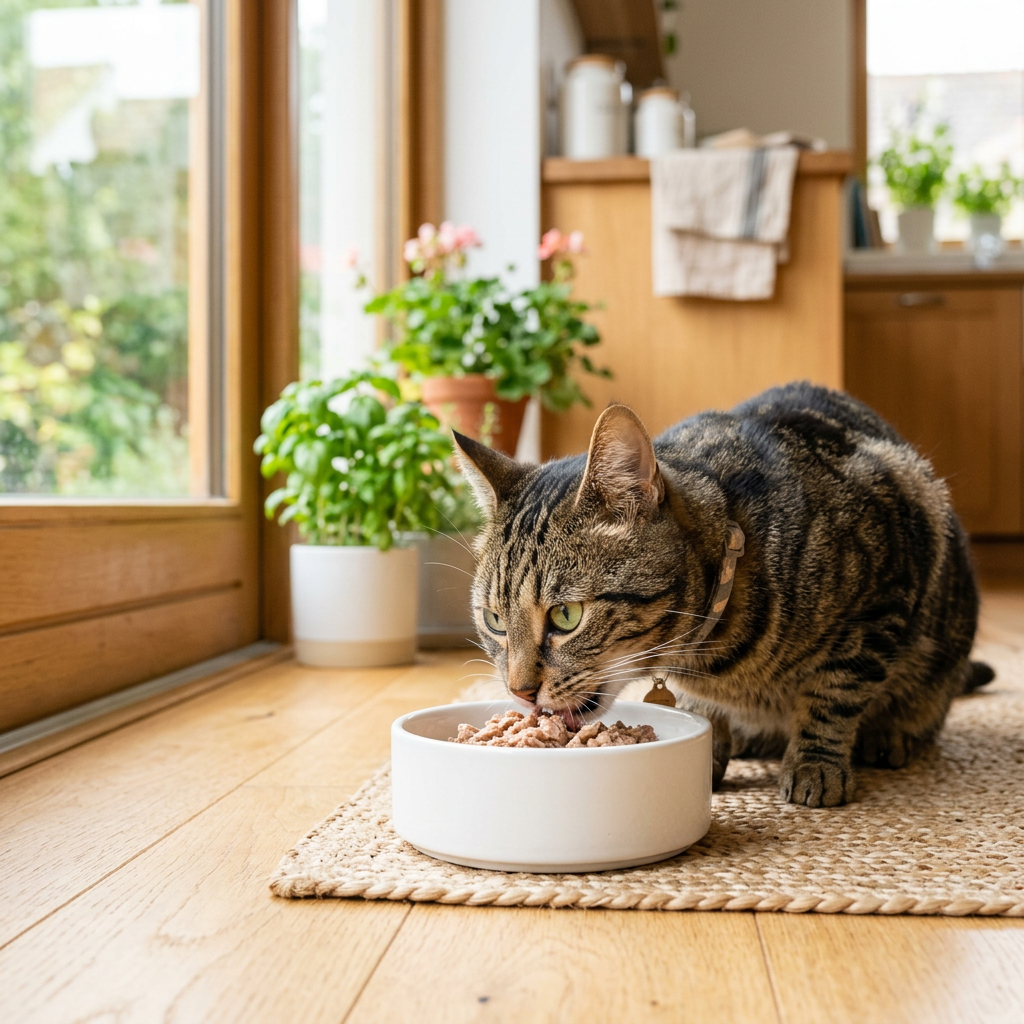
I still remember the day I met Max, a beautiful Maine Coon cat who was plagued by separation anxiety. His owner would leave for work, and Max would become a ball of stress, meowing incessantly and pacing back and forth. But what struck me was the research that had just been published, linking gut bacteria to feline behavior. It turned out that the gut microbiome played a significant role in regulating stress and anxiety in cats. This discovery opened up new avenues for treating cat anxiety, and I was eager to explore them. In this article, we'll delve into the gut-brain connection, how diet and nutrition impact feline stress levels, and provide you with practical tips on calming your anxious cat.
From understanding the warning signs of cat anxiety to exploring the latest research on probiotics and nutrition, we'll cover it all. Whether your cat is experiencing separation anxiety or generalized anxiety, we'll provide you with the tools and knowledge to help them feel more calm and relaxed. So, let's dive in and explore the fascinating world of gut health and its impact on cat anxiety.
Table of Contents
What is Cat Anxiety?
Cat anxiety, also known as feline anxiety, is a common behavioral disorder that affects many cats. It's characterized by excessive fear, stress, or anxiety in response to certain stimuli or situations. Cat anxiety can manifest in different ways, including separation anxiety, noise phobia, and generalized anxiety. Understanding what cat anxiety is and how it affects your cat is crucial in providing them with the right care and support.
Types of Cat Anxiety
- Separation anxiety: distress when left alone
- Noise phobia: fear of loud noises
- Generalized anxiety: persistent and pervasive anxiety
Warning Signs of Cat Anxiety
Recognizing the warning signs of cat anxiety is essential in providing your cat with the help they need. Some common signs of cat anxiety include excessive meowing, pacing, hiding, and changes in appetite. If you notice any of these signs, it's crucial to consult with your veterinarian to rule out any underlying medical issues. In addition to these signs, you may also notice changes in your cat's behavior, such as increased aggression or fearfulness.
Common Signs of Cat Anxiety
- Excessive meowing or crying
- Pacing or restlessness
- Hiding or avoidance
- Changes in appetite or water intake
- Increased aggression or fearfulness
Causes of Cat Anxiety
So, what causes cat anxiety? While the exact causes are still not fully understood, research suggests that a combination of genetic, environmental, and medical factors contribute to the development of cat anxiety. Some potential causes include changes in the household, loud noises, medical issues, and genetic predisposition. Additionally, gut health and the gut-brain axis play a significant role in regulating stress and anxiety in cats.
Potential Causes of Cat Anxiety
- Changes in the household or routine
- Loud noises or stressful events
- Medical issues or chronic pain
- Genetic predisposition
- Gut health and the gut-brain axis
Treatment and Solutions for Cat Anxiety
Treating cat anxiety requires a multi-faceted approach that incorporates behavioral modifications, environmental changes, and nutritional support. Some effective solutions include behavioral therapy, environmental enrichment, and nutritional supplements. In addition, probiotics and prebiotics can help support gut health and reduce anxiety. It's essential to work with your veterinarian to develop a personalized treatment plan that addresses your cat's specific needs.
Effective Solutions for Cat Anxiety
- Behavioral therapy and training
- Environmental enrichment and changes
- Nutritional supplements and support
- Probiotics and prebiotics for gut health
- Pharmaceuticals or calming aids (under veterinary guidance)
Preventing Cat Anxiety
Preventing cat anxiety is always better than treating it. By providing your cat with a stable and predictable environment, you can help reduce their stress and anxiety levels. Additionally, socialization and desensitization can help your cat become more confident and calm in the face of new or stressful situations. Furthermore, feeding routines and meal times can play a significant role in reducing anxiety and stress.
Preventing Cat Anxiety
- Provide a stable and predictable environment
- Socialization and desensitization
- Feeding routines and meal times
- Environmental enrichment and changes
- Monitoring and addressing potential causes of anxiety
Environmental Enrichment for Anxious Cats
Environmental enrichment is a crucial aspect of reducing cat anxiety. By providing your cat with a stimulating and engaging environment, you can help distract them from their anxiety and reduce their stress levels. Some effective enrichment strategies include providing multiple levels and vertical space, rotating toys and activities, and creating hiding spots and cozy areas. Additionally, sensory stimulation and calming aids can help create a more relaxing environment.
Environmental Enrichment Strategies
- Provide multiple levels and vertical space
- Rotate toys and activities regularly
- Create hiding spots and cozy areas
- Offer sensory stimulation (e.g., scratching posts, climbing walls)
- Use calming aids (e.g., pheromone diffusers, calming music)
When to See a Vet
If you suspect that your cat is experiencing anxiety, it's essential to consult with your veterinarian to rule out any underlying medical issues. Your veterinarian can help you develop a personalized treatment plan and provide guidance on the best course of action. In addition, if you notice any of the following signs, it's crucial to seek veterinary attention immediately: severe anxiety or distress, changes in appetite or water intake, increased aggression or fearfulness, or physical symptoms such as vomiting or diarrhea.
When to Seek Veterinary Attention
- Changes in appetite or water intake
- Increased aggression or fearfulness
- Physical symptoms (e.g., vomiting, diarrhea, changes in stool or urine)
- Suspected underlying medical issues
Frequently Asked Questions
What are the most common signs of cat anxiety?
The most common signs of cat anxiety include excessive meowing or crying, pacing or restlessness, hiding or avoidance, changes in appetite or water intake, and increased aggression or fearfulness.
Can diet and nutrition affect cat anxiety?
Yes, diet and nutrition can play a significant role in affecting cat anxiety. A balanced and nutrient-rich diet can help support gut health and reduce anxiety, while a diet lacking essential nutrients can exacerbate anxiety.
What are some effective calming aids for cats?
Some effective calming aids for cats include pheromone diffusers, calming music, and nutritional supplements such as L-theanine and chamomile. However, it's essential to consult with your veterinarian before using any calming aids to ensure they are safe and effective for your cat.
Can probiotics help reduce cat anxiety?
Yes, probiotics can help reduce cat anxiety by supporting gut health and the gut-brain axis. Probiotics can help regulate the balance of gut bacteria, which can in turn reduce anxiety and stress levels.
How can I create a calming environment for my anxious cat?
You can create a calming environment for your anxious cat by providing a stable and predictable environment, reducing noise and stress levels, and increasing environmental enrichment and stimulation. Additionally, using calming aids such as pheromone diffusers and calming music can help create a more relaxing environment.
When should I seek veterinary attention for my anxious cat?
You should seek veterinary attention for your anxious cat if you notice any severe signs of anxiety or distress, changes in appetite or water intake, increased aggression or fearfulness, or physical symptoms such as vomiting or diarrhea. Your veterinarian can help you develop a personalized treatment plan and provide guidance on the best course of action.
Can cat anxiety be cured?
While cat anxiety may not be completely curable, it can be effectively managed with the right treatment and support. By working with your veterinarian and providing your cat with a stable and supportive environment, you can help reduce their anxiety and improve their overall quality of life.
In conclusion, cat anxiety is a complex and multifaceted issue that requires a comprehensive approach to treatment and management. By understanding the causes and signs of cat anxiety, providing a stable and supportive environment, and working with your veterinarian, you can help your cat feel more calm and relaxed. Remember, every cat is different, and what works for one cat may not work for another. Be patient, persistent, and compassionate, and work with your veterinarian to develop a personalized treatment plan that addresses your cat's unique needs. With the right care and support, you can help your anxious cat live a happier, healthier life.