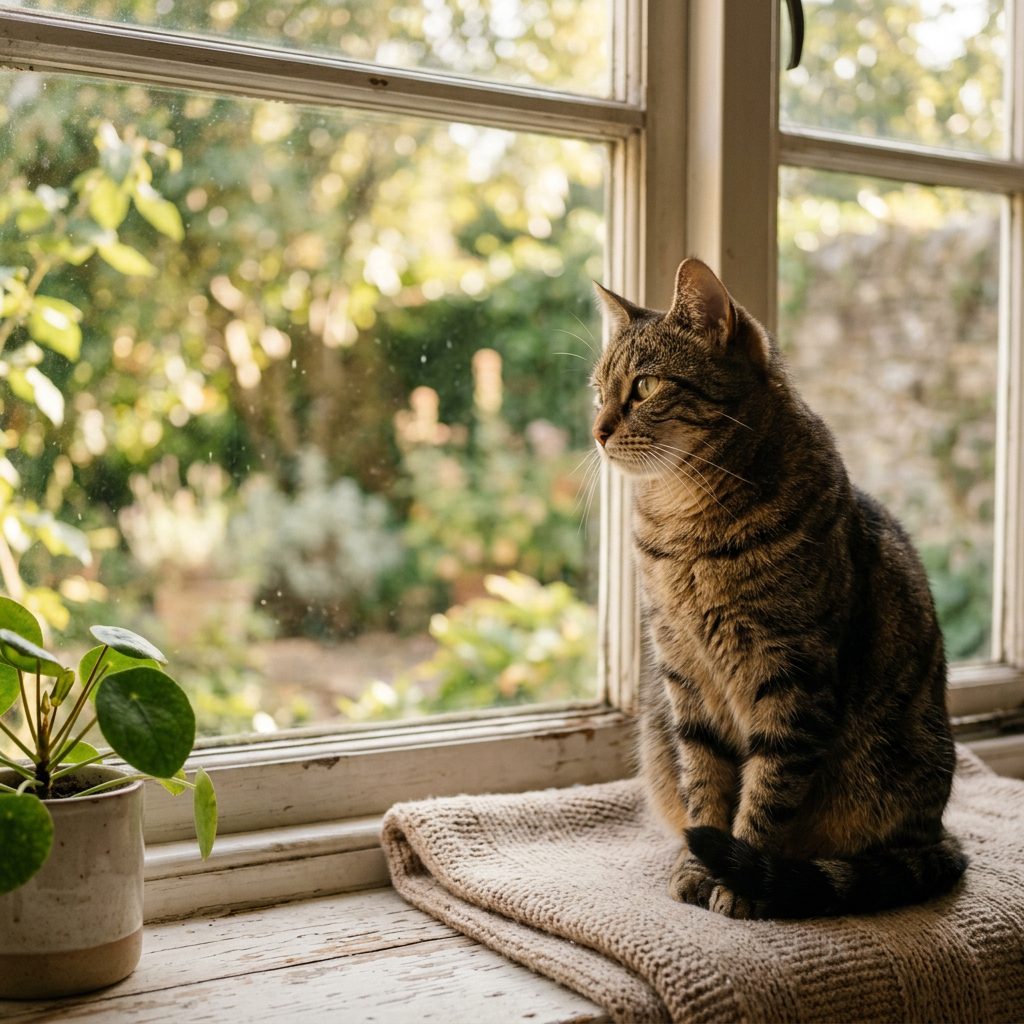
I still remember the first-time cat owner who came to my clinic, worried about her cat's strange behavior. She had been noticing that her cat, Luna, would hide under the bed for hours, refuse to play, and even show aggression when approached. For months, she had misread these signs as mere moodiness, but as the behavior persisted, she began to suspect that something was amiss. A simple vet visit changed everything - we diagnosed Luna with cat anxiety. With the right treatment and guidance, Luna's owner was able to help her beloved pet overcome her fears and live a happier, healthier life.
In this article, we'll delve into the world of cat anxiety, exploring what it is, its causes, warning signs, and most importantly, effective solutions. Whether you're a seasoned cat owner or a newcomer to the world of feline companionship, understanding cat anxiety is crucial to providing your pet with the care and comfort they deserve.
Table of Contents
What is Cat Anxiety?
Cat anxiety is a common behavioral disorder that affects many cats, causing them to feel stressed, fearful, or apprehensive in certain situations. It can manifest in different ways, from mild to severe, and can be triggered by a variety of factors, including changes in the environment, social interactions, or even medical conditions.
Understanding Feline Stress Responses
Cats, like humans, have a unique stress response system that helps them cope with threats or perceived dangers. When a cat feels anxious or stressed, their body releases stress hormones like cortisol and adrenaline, which prepare them for the 'fight or flight' response. While this response is essential for survival, chronic or excessive stress can lead to anxiety and other behavioral problems.
Warning Signs of Cat Anxiety
Recognizing the warning signs of cat anxiety is crucial to providing your pet with the help they need. Some common signs of anxiety in cats include:
- Hiding or avoidance behaviors
- Changes in appetite or sleep patterns
- Increased vocalization or meowing
- Pacing or restlessness
- Aggression or fear-based behaviors
These signs can vary in severity and frequency, but if you notice any of these behaviors in your cat, it's essential to consult with a veterinarian to rule out any underlying medical conditions.
Causes of Cat Anxiety
There are many potential causes of cat anxiety, including:
Environmental Factors
Changes in the environment, such as moving to a new home, introducing new pets or people, or even changes in the weather, can cause stress and anxiety in cats.
Social Interactions
Social interactions, including conflicts with other cats or humans, can also contribute to anxiety in cats.
Medical Conditions
Certain medical conditions, such as pain, arthritis, or sensory disorders, can cause anxiety and discomfort in cats.
Types of Anxiety in Cats
There are several types of anxiety that can affect cats, including:
Situational Anxiety
Situational anxiety occurs in response to specific situations or events, such as vet visits, car rides, or loud noises.
Generalized Anxiety
Generalized anxiety is a more chronic and pervasive condition, where cats exhibit anxiety in a variety of situations and contexts.
Separation Anxiety
Separation anxiety occurs when cats become distressed when left alone or separated from their owners.
Treatment and Solutions for Cat Anxiety
Treatment for cat anxiety depends on the underlying causes and severity of the condition. Some effective solutions include:
Behavioral Modifications
Behavioral modifications, such as desensitization and counterconditioning, can help cats learn to cope with stressful situations.
Environmental Enrichment
Environmental enrichment, including providing hiding places, vertical space, and sensory stimulation, can help reduce stress and anxiety in cats.
Pharmacological Interventions
In some cases, pharmacological interventions, such as anti-anxiety medications, may be necessary to help manage anxiety in cats.
Prevention and Enrichment Strategies
Preventing cat anxiety is always better than treating it. Some effective prevention and enrichment strategies include:
Providing a Stable Environment
Providing a stable and predictable environment, including a consistent routine and minimal changes, can help reduce stress and anxiety in cats.
Encouraging Socialization
Encouraging socialization, including positive interactions with people and other animals, can help cats develop confidence and reduce anxiety.
Offering Mental Stimulation
Offering mental stimulation, including puzzle toys and interactive games, can help keep cats engaged and reduce boredom and stress.
When to See a Vet for Cat Anxiety
If you suspect that your cat is suffering from cat anxiety, it's essential to consult with a veterinarian to rule out any underlying medical conditions. Your vet can help you:
- Identify the underlying causes of your cat's anxiety
- Develop a treatment plan to manage your cat's anxiety
- Provide guidance on environmental enrichment and behavioral modifications
Don't hesitate to reach out to your vet if you notice any of the following:
- Changes in appetite or sleep patterns
- Increased vocalization or meowing
- Pacing or restlessness
- Aggression or fear-based behaviors
Frequently Asked Questions
What are the most common signs of cat anxiety?
The most common signs of cat anxiety include hiding or avoidance behaviors, changes in appetite or sleep patterns, increased vocalization or meowing, pacing or restlessness, and aggression or fear-based behaviors.
Can cat anxiety be cured?
While cat anxiety can be managed and treated, it's not always possible to 'cure' it completely. However, with the right treatment and guidance, many cats can learn to cope with their anxiety and live happy, healthy lives.
How can I help my cat feel more secure and reduce anxiety?
Providing a stable and predictable environment, encouraging socialization, and offering mental stimulation can help reduce stress and anxiety in cats. Additionally, providing hiding places, vertical space, and sensory stimulation can help cats feel more secure and comfortable.
What is the best way to calm an anxious cat?
The best way to calm an anxious cat depends on the individual cat and the situation. However, some effective strategies include providing a calm and quiet environment, using pheromone products, and offering treats and rewards for calm behavior.
Can cat anxiety be contagious?
While cat anxiety is not contagious in the classical sense, cats can pick up on the stress and anxiety of their owners and other animals in the household. This is why it's essential to manage your own stress and anxiety, as well as provide a calm and stable environment for your cat.
How long does it take to treat cat anxiety?
The length of time it takes to treat cat anxiety depends on the severity of the condition, the underlying causes, and the effectiveness of the treatment plan. In some cases, treatment can take several weeks or even months to produce noticeable results.
What are some natural remedies for cat anxiety?
Some natural remedies for cat anxiety include pheromone products, herbal supplements, and calming aids like L-theanine and melatonin. However, it's essential to consult with a veterinarian before using any natural remedies, as they can interact with other medications or have unintended side effects.
As a cat owner, it's essential to recognize the signs of cat anxiety and take steps to provide your pet with the care and comfort they deserve. By understanding the causes, warning signs, and effective solutions for cat anxiety, you can help your cat live a happier, healthier life. Remember, every cat is unique, and what works for one cat may not work for another. If you're concerned about your cat's anxiety, don't hesitate to reach out to your veterinarian for guidance and support. With patience, love, and the right treatment, you can help your cat overcome their anxiety and thrive.