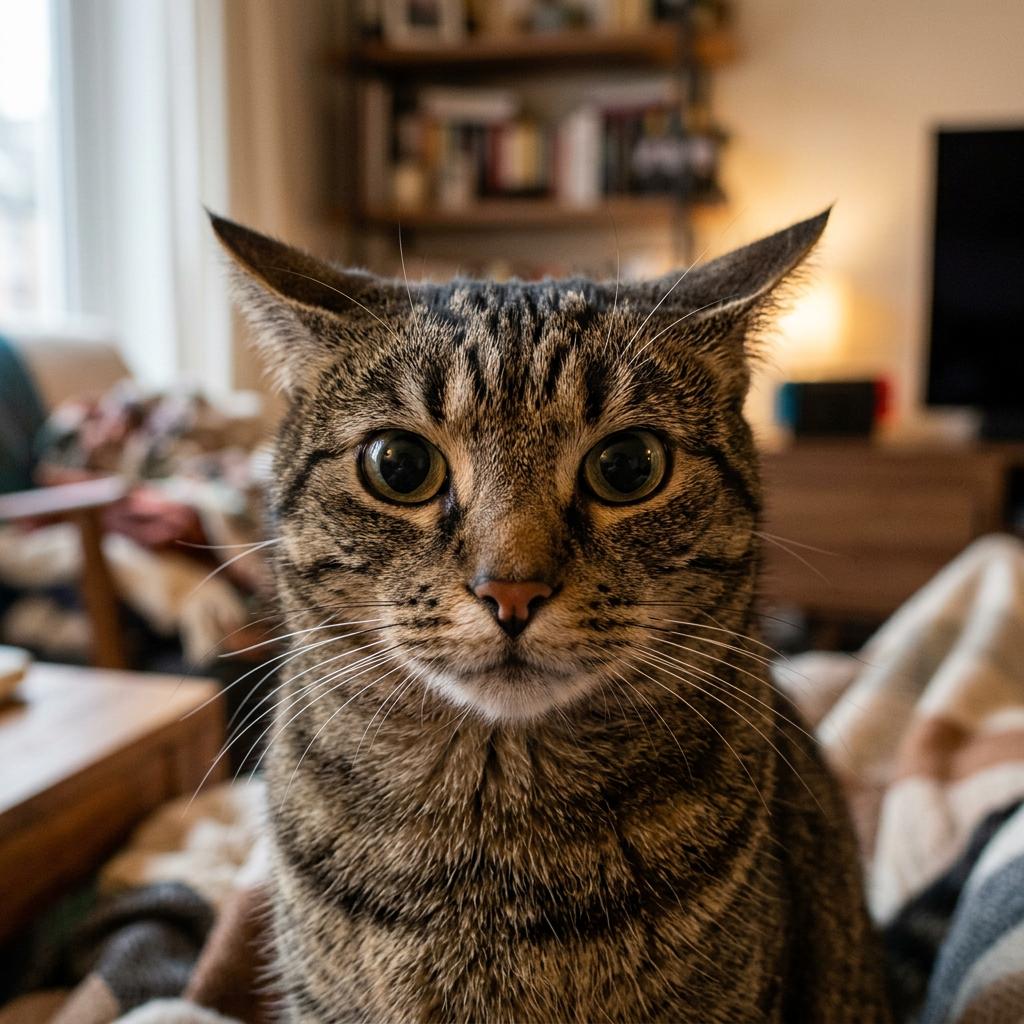
I still remember the day I misread a cat's body language and ended up with a nasty bite. I was a young veterinarian at the time, and I was trying to examine a beautiful, fluffy cat named Max. His owner had warned me that Max was a bit nervous, but I was confident in my ability to calm him down. As I reached out to pet Max, I noticed that his ears were slightly flattened and his tail was twitching. I thought to myself, 'He's just a little scared, that's all.' But as soon as I touched him, Max let out a loud hiss and sank his teeth into my hand. It was a painful lesson in the importance of reading cat body language correctly. If I had known then what I know now, I would have recognized the warning signs of cat anxiety and approached Max with more caution. In this article, we'll explore the full vocabulary of feline stress signals, from flattened ears and tucked tails to slow blinks and exposed belly meanings. We'll also discuss how to read combinations of signals and what they mean about stress levels, so you can help your anxious cat feel more calm and secure.
Whether you're a seasoned cat owner or a newcomer to the world of feline friendship, understanding cat anxiety is crucial for building a strong, healthy relationship with your pet. By recognizing the signs of stress and taking steps to address them, you can help your cat feel more relaxed and reduce the risk of anxiety-related behavior problems. So let's get started on this journey of discovery and learn how to decode the secret language of cats.
Table of Contents
What is Cat Anxiety?
Cat anxiety, also known as feline anxiety, is a common behavioral disorder that affects cats of all ages and breeds. It's characterized by feelings of fear, stress, and apprehension, which can manifest in a range of physical and behavioral symptoms. Cat anxiety can be triggered by a variety of factors, including changes in the cat's environment, separation from their owners, or even certain medical conditions. In some cases, cat anxiety can be a learned behavior, passed down from generation to generation.
Types of Cat Anxiety
- Separation anxiety: This type of anxiety occurs when a cat is separated from their owner or primary caregiver. It can manifest in destructive behavior, such as scratching or shredding furniture, as well as vocalization and pacing.
- Generalized anxiety: This type of anxiety is characterized by a general feeling of fear or apprehension, which can be triggered by a variety of stimuli. It can manifest in a range of symptoms, including panting, pacing, and avoidance behaviors.
Warning Signs of Cat Anxiety
So how can you tell if your cat is anxious? There are a number of warning signs to look out for, including changes in body language. Anxious cats often exhibit a range of physical symptoms, including:
- Flattened ears
- Tucked tail
- Panting or rapid breathing
- Pacing or restlessness
- Avoidance behaviors, such as hiding or escaping
Other Warning Signs
In addition to changes in body language, anxious cats may also exhibit a range of other symptoms, including vocalization, such as meowing or hissing, and changes in appetite or sleep patterns. They may also exhibit destructive behavior, such as scratching or shredding furniture, or elimination outside of the litter box. By recognizing these warning signs, you can take steps to address your cat's anxiety and help them feel more calm and secure.
Causes of Cat Anxiety
So what causes cat anxiety? There are a number of potential triggers, including changes in the cat's environment, such as a move to a new home or the introduction of a new pet or person. Separation from their owners can also be a trigger, as can certain medical conditions, such as pain or discomfort.
Other Potential Triggers
In addition to these common triggers, there are a number of other potential causes of cat anxiety, including genetics, learned behavior, and lack of stimulation or enrichment. By understanding the underlying causes of your cat's anxiety, you can take steps to address the root of the problem and help your cat feel more calm and secure.
Treatment and Solutions for Cat Anxiety
So what can you do to help your anxious cat? There are a number of treatment options and solutions available, including behavioral modification techniques, such as desensitization and counterconditioning, and environmental changes, such as providing a safe and comfortable space for your cat to retreat to.
Medications and Supplements
In some cases, medications or supplements may be necessary to help manage your cat's anxiety. These can include anti-anxiety medications, such as benzodiazepines or selective serotonin reuptake inhibitors (SSRIs), and calming aids, such as pheromone products or calming treats. It's always best to consult with a veterinarian before giving your cat any new medications or supplements.
Preventing Cat Anxiety
Preventing cat anxiety is always better than trying to treat it after the fact. There are a number of steps you can take to help prevent cat anxiety, including providing a stable and predictable environment, spending quality time with your cat, and providing plenty of stimulation and enrichment.
Other Prevention Strategies
In addition to these strategies, there are a number of other ways to help prevent cat anxiety, including gradually introducing new people, pets, or environments, providing a safe and comfortable space for your cat to retreat to, and avoiding punishment or negative reinforcement. By taking these steps, you can help reduce the risk of cat anxiety and help your cat feel more calm and secure.
Environmental Enrichment for Anxious Cats
Environmental enrichment is an important part of helping anxious cats feel more calm and secure. This can include providing plenty of toys and stimulation, creating a comfortable and stable environment, and providing opportunities for exercise and play.
Other Enrichment Strategies
In addition to these strategies, there are a number of other ways to provide environmental enrichment for anxious cats, including rotating toys and activities regularly, providing scratching posts and climbing structures, and creating a 'cat agility course' using cardboard boxes and paper bags. By providing a stimulating and engaging environment, you can help reduce your cat's stress and anxiety levels and improve their overall well-being.
When to See a Vet About Cat Anxiety
If you're concerned about your cat's anxiety, it's always best to consult with a veterinarian. They can help you determine the underlying cause of your cat's anxiety and provide guidance on the best course of treatment.
Signs You Should See a Vet
There are a number of signs that you should see a vet about your cat's anxiety, including severe or persistent anxiety symptoms, changes in appetite or sleep patterns, and destructive behavior or elimination outside of the litter box. Your vet can help you develop a plan to address your cat's anxiety and improve their overall quality of life.
Frequently Asked Questions
What are the most common signs of cat anxiety?
The most common signs of cat anxiety include changes in body language, such as flattened ears and tucked tail, as well as vocalization, destructive behavior, and changes in appetite or sleep patterns.
How can I help my cat feel more calm and secure?
There are a number of ways to help your cat feel more calm and secure, including providing a stable and predictable environment, spending quality time with your cat, and providing plenty of stimulation and enrichment.
What are some common causes of cat anxiety?
Common causes of cat anxiety include changes in the cat's environment, separation from their owners, and certain medical conditions. Genetics, learned behavior, and lack of stimulation or enrichment can also contribute to cat anxiety.
Can cat anxiety be treated with medication?
In some cases, cat anxiety can be treated with medication. However, it's always best to consult with a veterinarian before giving your cat any new medications or supplements. They can help you determine the best course of treatment for your cat's specific needs.
How can I prevent cat anxiety in my kitten?
There are a number of ways to help prevent cat anxiety in kittens, including providing a stable and predictable environment, spending quality time with your kitten, and providing plenty of stimulation and enrichment. Gradually introducing new people, pets, and environments can also help reduce the risk of anxiety.
What is the difference between cat anxiety and stress?
While the terms 'anxiety' and 'stress' are often used interchangeably, they have distinct meanings. Anxiety refers to a persistent feeling of fear or apprehension, while stress refers to a physical or emotional response to a specific stimulus. Both anxiety and stress can have negative effects on a cat's overall health and well-being.
Can cat anxiety be cured?
While cat anxiety can be managed and reduced, it may not be completely 'cured.' However, with the right treatment and support, many cats are able to lead happy and healthy lives despite their anxiety. It's always best to work with a veterinarian to develop a plan to address your cat's specific needs and improve their overall quality of life.
In conclusion, cat anxiety is a common and treatable condition that can have a significant impact on a cat's quality of life. By recognizing the warning signs of anxiety, understanding the underlying causes, and taking steps to address the root of the problem, you can help your cat feel more calm and secure. Remember to always consult with a veterinarian if you're concerned about your cat's anxiety, and don't hesitate to reach out for support and guidance. With patience, love, and the right care, you can help your anxious cat live a happy and healthy life. So take the first step today and start decoding your cat's secret language – their anxiety will thank you!