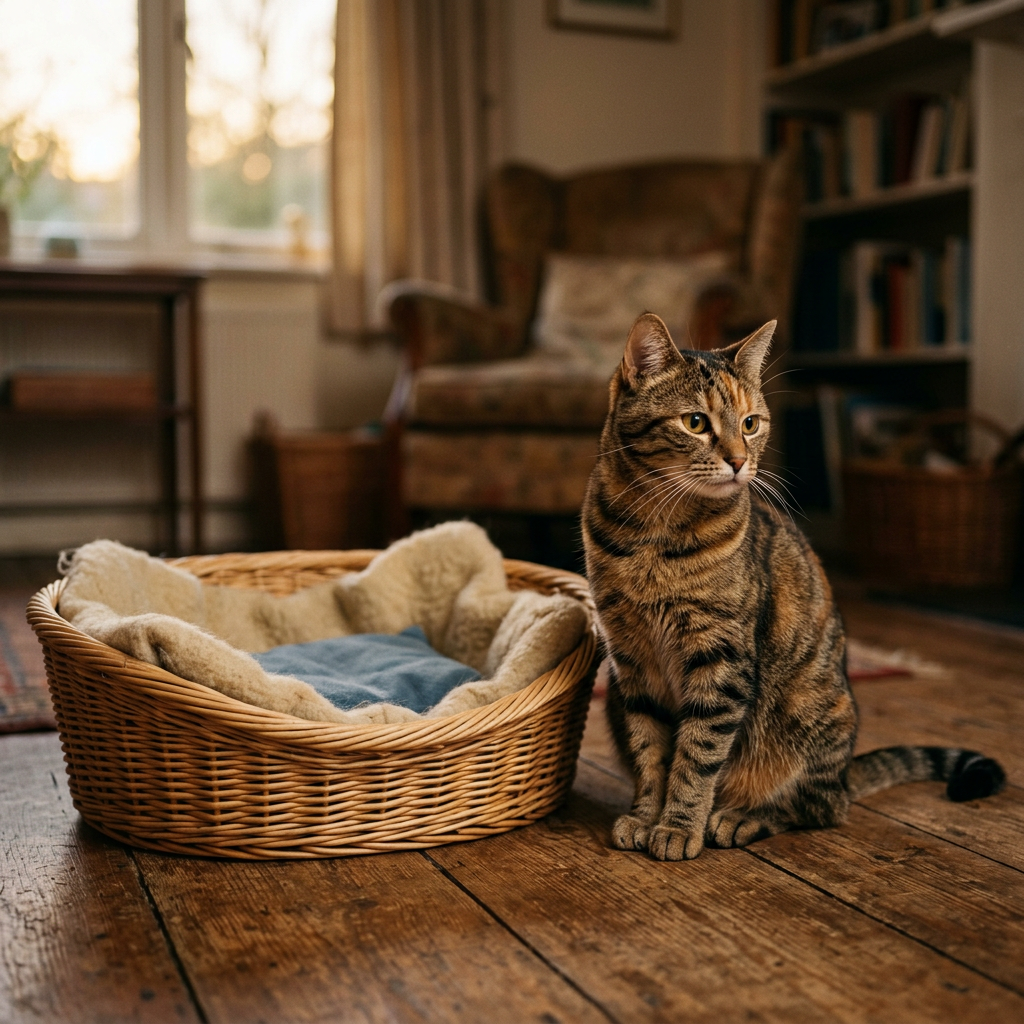
I still remember the heartbreaking story of two inseparable cats, Luna and Leo. They did everything together, from cuddling in the sun to chasing each other around the house. But one fateful day, Leo passed away, leaving Luna behind. Her owners reported that Luna became withdrawn, refused to eat, and would often visit Leo's favorite spots, meowing plaintively as if searching for her beloved companion. This poignant tale illustrates the profound impact of grief on our feline friends. In this article, we'll delve into the complex world of cat grief and anxiety, exploring the warning signs, causes, and ways to support a grieving cat without reinforcing anxiety.
As a veterinarian and feline behaviorist, I've seen numerous cases of cat anxiety and stress stemming from the loss of a companion animal or family member. It's essential to recognize the subtle signs of grief in cats and provide them with the care and attention they need to navigate this difficult time. By understanding cat grief and anxiety, we can help our feline friends heal and regain their emotional balance, reducing the risk of developing clinical depression and other behavioral problems.
Table of Contents
What is Cat Grief?
Cat grief is a complex and multifaceted phenomenon that can manifest in different ways. While we can't directly ask our feline friends how they're feeling, their behavior and body language can provide valuable insights into their emotional state. Grief in cats can be triggered by various events, including the loss of a companion animal, a family member, or even a change in their environment.
Understanding Feline Emotions
Contrary to popular belief, cats are highly emotional animals, capable of experiencing a wide range of feelings, from joy and affection to fear and anxiety. Their emotional lives are deeply intertwined with their social bonds, and the loss of a loved one can have a profound impact on their emotional well-being.
Warning Signs of Grief in Cats
Recognizing the warning signs of grief in cats is crucial for providing them with the necessary support and care. Some common signs of grief in cats include:
- Changes in appetite or sleep patterns
- Withdrawal or social isolation
- Increased vocalization or meowing
- Pacing or restlessness
- Visiting the deceased cat's favorite spots or belongings
Behavioral Changes
Every cat is different, and the way they express grief can vary greatly. Some cats may become more clingy or demanding, while others may become aloof or distant. It's essential to monitor your cat's behavior closely and seek veterinary advice if you notice any significant changes.
Causes of Grief in Cats
Grief in cats can be triggered by various events, including:
- The loss of a companion animal or family member
- A change in environment or living situation
- A decrease in social interaction or attention
- A medical condition or chronic pain
Social Bonds and Attachment
Cats are highly social animals that form strong bonds with their human caregivers and other animals in the household. The loss of a loved one can disrupt these social bonds, leading to feelings of grief and anxiety.
Supporting a Grieving Cat
Supporting a grieving cat requires patience, empathy, and understanding. Here are some tips to help your feline friend navigate this difficult time:
- Provide a stable and predictable environment
- Offer plenty of attention and affection
- Maintain a consistent routine
- Provide mental stimulation and enrichment activities
Calming Anxious Cats
Calming anxious cats can be a challenging task, but there are several strategies that can help. These include pheromone therapy, calming music, and gentle massage. It's essential to work with a veterinarian or animal behaviorist to develop a customized plan for your cat.
Preventing Anxiety in Cats
Preventing anxiety in cats requires a proactive approach that addresses their physical and emotional needs. Here are some tips to help reduce stress and anxiety in cats:
- Provide plenty of exercise and playtime
- Offer a balanced and nutritious diet
- Create a calm and peaceful environment
- Provide regular veterinary check-ups
Separation Anxiety in Cats
Separation anxiety in cats is a common problem that can be triggered by a change in environment or a decrease in social interaction. To prevent separation anxiety, it's essential to provide your cat with plenty of attention and affection, as well as a stable and predictable routine.
Enrichment Activities for Cats
Enrichment activities are essential for providing cats with mental stimulation and reducing stress and anxiety. Here are some ideas for enrichment activities:
- Food puzzle toys
- Scratching posts and pads
- Window perches and bird-watching
- Sensory stimulation with catnip and treats
Creating a Feline-Friendly Environment
Creating a feline-friendly environment is crucial for reducing stress and anxiety in cats. This includes providing plenty of hiding spots, vertical space, and scratching posts, as well as a calm and peaceful atmosphere.
When to See a Vet
While it's essential to provide your cat with love, care, and attention during this difficult time, it's also crucial to know when to seek veterinary advice. If you notice any of the following signs, it's time to consult with a veterinarian:
- Changes in appetite or water intake
- Vomiting or diarrhea
- Increased vocalization or meowing
- Pacing or restlessness
Clinical Depression in Cats
Clinical depression in cats is a serious condition that requires professional attention. If your cat is experiencing prolonged periods of grief or anxiety, it's essential to work with a veterinarian or animal behaviorist to develop a customized treatment plan.
Frequently Asked Questions
How long does cat grief last?
The duration of cat grief can vary greatly, depending on the individual cat and the circumstances of the loss. While some cats may recover quickly, others may take several weeks or even months to adjust to the new situation.
Can cats experience anxiety?
Yes, cats can experience anxiety, which can manifest in different ways, including changes in appetite, vocalization, or behavior. Anxiety in cats can be triggered by various factors, including separation, noise, or changes in environment.
How can I calm my anxious cat?
Calming an anxious cat requires patience, empathy, and understanding. Strategies include pheromone therapy, calming music, gentle massage, and providing a stable and predictable environment.
What are the signs of clinical depression in cats?
Clinical depression in cats can manifest in different ways, including changes in appetite, sleep patterns, or behavior. Other signs may include withdrawal, social isolation, or increased vocalization. If you suspect your cat is experiencing clinical depression, it's essential to consult with a veterinarian or animal behaviorist.
Can I help my cat cope with the loss of a companion animal?
Yes, you can help your cat cope with the loss of a companion animal by providing a stable and predictable environment, plenty of attention and affection, and mental stimulation and enrichment activities. It's also essential to monitor your cat's behavior closely and seek veterinary advice if you notice any significant changes.
How can I prevent separation anxiety in cats?
Preventing separation anxiety in cats requires a proactive approach that addresses their physical and emotional needs. Strategies include providing plenty of exercise and playtime, offering a balanced and nutritious diet, creating a calm and peaceful environment, and providing regular veterinary check-ups.
What are the benefits of enrichment activities for cats?
Enrichment activities are essential for providing cats with mental stimulation and reducing stress and anxiety. Benefits include improved cognitive function, increased physical activity, and a stronger bond between cat and owner.
As we've explored the complex world of cat grief and anxiety, it's clear that our feline friends are capable of experiencing a wide range of emotions, from joy and affection to fear and sorrow. By providing love, care, and attention, we can help our cats navigate the difficult times and support them in their journey towards healing and recovery. Remember, every cat is different, and it's essential to tailor your approach to your cat's unique needs and personality. If you're concerned about your cat's behavior or emotional well-being, don't hesitate to consult with a veterinarian or animal behaviorist for professional guidance and support.