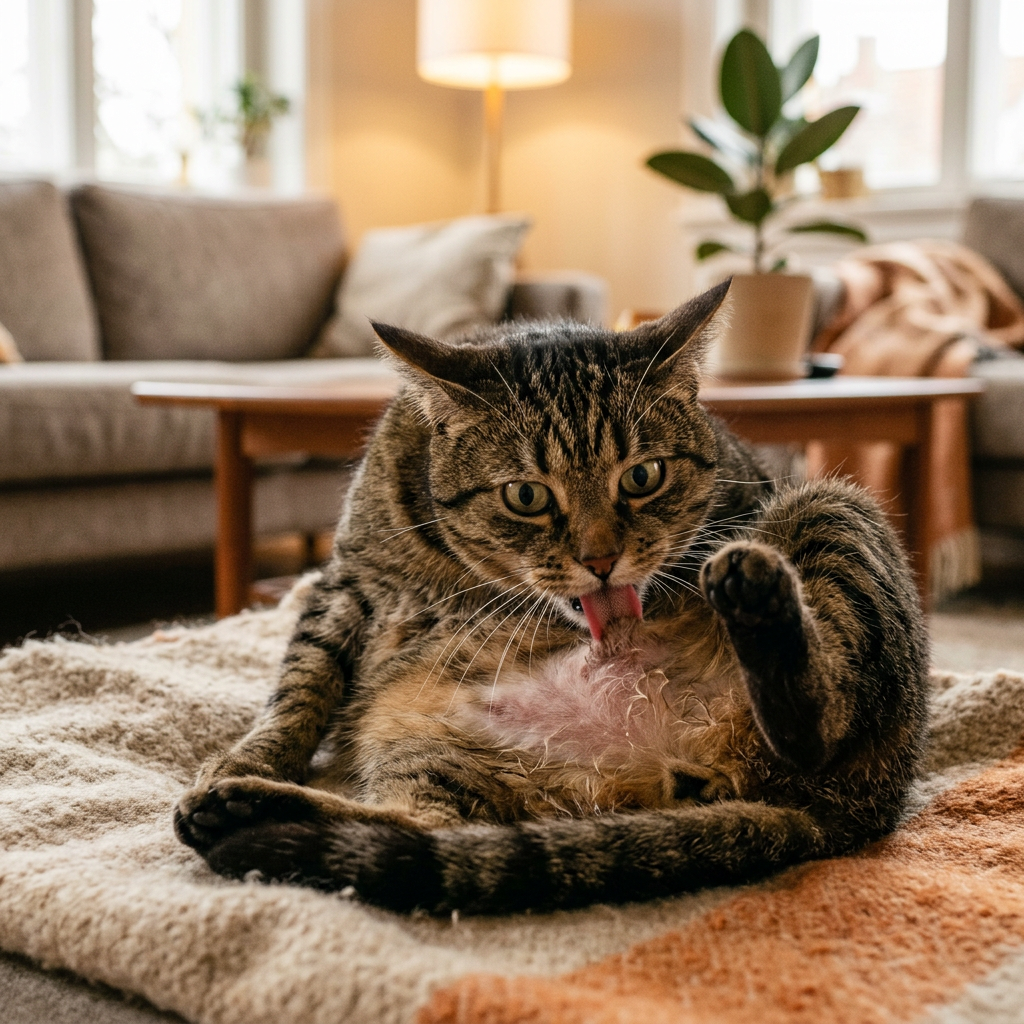
I still remember the day I met Luna, a stunning Siamese cat whose belly was nearly bare from anxious licking. Her owner had been trying to address the issue for months, but to no avail. As a veterinarian and feline behaviorist, I knew that Luna's overgrooming was more than just a bad habit - it was a symptom of a deeper issue: cat anxiety. In this article, we'll delve into the world of feline anxiety, exploring what it is, how to identify warning signs, and most importantly, how to break the stress-grooming cycle and help your cat live a happier, healthier life.
Whether your cat is experiencing separation anxiety, stress due to changes in their environment, or other forms of anxiety, this article will provide you with the knowledge and tools you need to support them. We'll discuss the causes of cat anxiety, the warning signs to look out for, and the most effective treatment options available. By the end of this article, you'll be empowered to help your cat overcome anxiety and live their best life.
Table of Contents
What is Cat Anxiety?
Cat anxiety, also known as feline anxiety, refers to a range of behavioral and physiological responses to stress, fear, or uncertainty. It's a common issue that can affect cats of all ages, breeds, and backgrounds. While it's normal for cats to feel some level of stress or anxiety in certain situations, such as during a move or when introducing a new pet, excessive anxiety can have a significant impact on their quality of life.
Types of Cat Anxiety
There are several types of cat anxiety, including:
- Separation anxiety: distress caused by separation from their owners or primary caregivers
- Generalized anxiety: excessive worry or fear that is not focused on a specific stimulus or situation
- Phobia-related anxiety: intense fear or avoidance of a specific stimulus, such as loud noises or certain animals
Warning Signs of Cat Anxiety
So, how can you tell if your cat is experiencing anxiety? Here are some common warning signs to look out for:
Physical Symptoms
These may include:
- Overgrooming: excessive licking, chewing, or scratching, which can lead to bald patches, raw skin, and skin infections
- Pacing or restlessness: repetitive movements, such as pacing back and forth or incessant meowing
- Hiding or avoidance: avoiding certain areas or activities, or hiding for extended periods
Behavioral Changes
You may also notice changes in your cat's behavior, such as:
- Increased vocalization: meowing, hissing, or growling more than usual
- Changes in appetite: decreased or increased food intake
- Elimination outside the litter box: accidents or avoidance of the litter box
Causes of Cat Anxiety
So, what causes cat anxiety? The answer is complex, as it can be triggered by a range of factors, including:
Environmental Factors
These may include:
- Changes in the home environment: moving to a new home, changes in the household, or introduction of new pets or people
- Lack of stimulation or enrichment: boredom, lack of exercise, or insufficient mental stimulation
- Noise or stress triggers: loud noises, such as fireworks or construction, or stress triggers, such as changes in your work schedule
Medical Factors
Certain medical conditions can also contribute to cat anxiety, including:
- Pain or discomfort: chronic pain, arthritis, or other medical conditions that cause discomfort
- Sensory sensitivities: sensitivities to certain textures, smells, or sounds
Treatment and Solutions for Cat Anxiety
Fortunately, there are many effective treatment options and solutions available to help manage cat anxiety. These may include:
Environmental Changes
Simple changes to your cat's environment can make a big difference, such as:
- Providing a safe space: creating a quiet, comfortable area where your cat can retreat when feeling anxious
- Increasing vertical space: providing cat trees, shelves, or other elevated areas for your cat to climb and observe
- Enriching the environment: adding toys, scratching posts, and other forms of stimulation to keep your cat engaged and active
Behavioral Interventions
Behavioral interventions can also be highly effective, including:
- Desensitization and counterconditioning: gradual exposure to the stimulus that triggers anxiety, paired with positive reinforcement
- Positive reinforcement training: rewarding calm behavior and ignoring anxious behavior
Preventing Cat Anxiety
Prevention is always better than cure, and there are many ways to prevent cat anxiety from developing in the first place. These include:
Early Socialization
Socialization is critical for kittens, as it helps them develop confidence and calmness in new situations. Make sure to:
- Expose your kitten to new people, places, and experiences: gradual exposure to new stimuli can help build confidence and reduce anxiety
- Provide a stable and predictable environment: establish a routine and provide a consistent, loving environment
Environmental Enrichment
Environmental enrichment is essential for cats of all ages, as it provides mental and physical stimulation and helps reduce boredom and stress.
Environmental Enrichment for Anxious Cats
Environmental enrichment is a powerful tool for managing cat anxiety. By providing a stimulating and engaging environment, you can help reduce your cat's stress and anxiety levels. Here are some ideas for environmental enrichment:
Food Puzzle Toys
Food puzzle toys are a great way to challenge your cat's problem-solving skills and provide mental stimulation. Fill the toy with your cat's favorite treats or kibble, and watch them figure out how to get them out.
Sensory Stimulation
Cats have a unique sense of smell and enjoy exploring different textures and sensations. Provide a variety of sensory experiences, such as:
- Catnip or scratching posts
- Cardboard boxes or paper bags
- Windows or bird-watching stations
When to See a Veterinarian
If you suspect that your cat is experiencing anxiety, it's essential to consult with a veterinarian to rule out any underlying medical conditions that may be contributing to the anxiety. Your veterinarian can help you:
Rule out Medical Conditions
Certain medical conditions, such as pain or hyperthyroidism, can cause anxiety-like symptoms in cats. Your veterinarian can perform a physical examination, take a complete medical history, and run diagnostic tests to determine if there is an underlying medical condition that needs to be addressed.
Develop a Treatment Plan
Based on the diagnosis, your veterinarian can help you develop a treatment plan that may include behavioral interventions, environmental changes, and medication.
Frequently Asked Questions
What are the most common causes of cat anxiety?
The most common causes of cat anxiety include changes in the home environment, lack of stimulation or enrichment, noise or stress triggers, and certain medical conditions. It's essential to identify the underlying cause of your cat's anxiety to develop an effective treatment plan.
How can I tell if my cat is experiencing separation anxiety?
Common signs of separation anxiety in cats include excessive meowing or crying, pacing or restlessness, and destructive behavior when left alone. If you suspect that your cat is experiencing separation anxiety, consult with a veterinarian or a certified animal behaviorist for guidance on how to address the issue.
What are some effective ways to calm an anxious cat?
Effective ways to calm an anxious cat include providing a safe space, increasing vertical space, and enriching the environment with toys, scratching posts, and other forms of stimulation. You can also try using pheromone products, such as Feliway, or calming aids like L-theanine or chamomile.
Can cats develop anxiety due to changes in their owner's work schedule?
Yes, cats can develop anxiety due to changes in their owner's work schedule. If you've recently started working from home or have changed your work schedule, your cat may be experiencing stress or anxiety due to the change in routine. Try to establish a consistent routine and provide plenty of attention and playtime to help your cat adjust.
How can I prevent my cat from developing anxiety in the first place?
Preventing cat anxiety requires a combination of early socialization, environmental enrichment, and a stable and predictable environment. Make sure to expose your kitten to new people, places, and experiences, and provide a consistent and loving environment. You can also try providing plenty of toys, scratching posts, and other forms of stimulation to keep your cat engaged and active.
When should I seek professional help for my cat's anxiety?
If your cat's anxiety is severe, persistent, or interferes with their daily life, it's essential to seek professional help from a veterinarian or a certified animal behaviorist. They can help you develop a treatment plan that addresses the underlying cause of your cat's anxiety and provides effective solutions for managing the condition.
Can medication be used to treat cat anxiety?
Yes, medication can be used to treat cat anxiety in some cases. However, it's essential to work with a veterinarian to determine the best course of treatment for your cat. Medication should be used in conjunction with behavioral interventions and environmental changes to address the underlying cause of the anxiety.
In conclusion, cat anxiety is a common and treatable condition that can have a significant impact on your cat's quality of life. By understanding the causes of cat anxiety, recognizing the warning signs, and seeking professional help when needed, you can help your cat overcome anxiety and live a happier, healthier life. Remember, every cat is different, and what works for one cat may not work for another. Be patient, consistent, and compassionate, and work with your veterinarian to develop a treatment plan that addresses your cat's unique needs. With time, patience, and the right support, you can help your cat overcome anxiety and thrive.