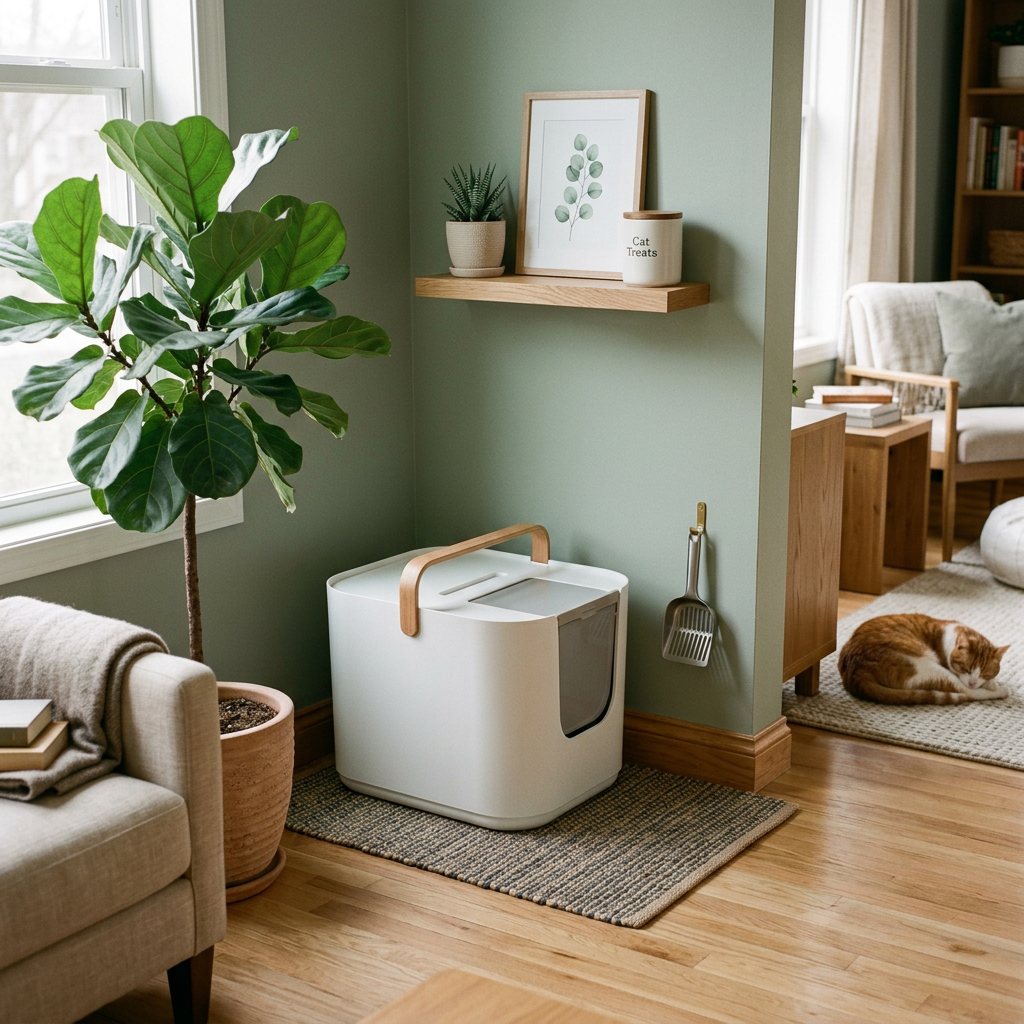
Sourabh Gupta was at her wit's end. Her beloved cat, Luna, had been having accidents outside of the litter box for weeks, and despite her best efforts, she couldn't seem to find a solution. Frustrated and worried, Sourabh Gupta considered surrendering Luna to a shelter, thinking that maybe she just wasn't cut out for cat ownership. But as she looked into Luna's big green eyes, she knew she couldn't give up. With the help of a veterinarian and some patience, Sourabh Gupta was able to identify the root cause of Luna's litter box anxiety and work towards a solution. If you're struggling with a similar issue, you're not alone. In this article, we'll explore the common problem of litter box anxiety and stress-related elimination problems in cats, and provide you with the tools and knowledge you need to help your anxious cat feel more at ease.
In this article, we'll cover the warning signs of litter box anxiety, the underlying causes of this common problem, and provide you with practical tips and solutions for reducing your cat's stress and preventing accidents. We'll also discuss how to distinguish between medical and behavioral causes, and when it's time to seek the help of a veterinarian. Whether you're a seasoned cat owner or just bringing home your first kitten, this guide will help you navigate the complex world of feline behavior and keep your cat happy and healthy.
Table of Contents
What is Litter Box Anxiety?
Litter box anxiety, also known as elimination anxiety, refers to the stress and discomfort that some cats experience when using their litter box. This can lead to a range of behavioral problems, including avoiding the litter box, eliminating outside of the box, or displaying anxiety-related behaviors such as pacing, meowing, or hiding. Cat anxiety can be caused by a variety of factors, including medical issues, environmental changes, and even the type of litter used.
Common Causes of Litter Box Anxiety
- Medical issues, such as urinary tract infections or arthritis
- Environmental changes, such as a new pet or person in the home
- Litter box size, location, or type
- Cat stress symptoms, such as separation anxiety in cats
Warning Signs of Litter Box Anxiety
If your cat is experiencing litter box anxiety, there are several warning signs to look out for. These can include accidents outside of the litter box, avoiding the litter box, or displaying anxiety-related behaviors such as pacing, meowing, or hiding. You may also notice that your cat is having trouble urinating or defecating, or that they're exhibiting unusual behaviors such as excessive grooming or scratching.
Recognizing the Signs of Litter Box Anxiety
- Accidents outside of the litter box
- Avoiding the litter box
- Anxiety-related behaviors, such as pacing or meowing
- Trouble urinating or defecating
- Unusual behaviors, such as excessive grooming or scratching
Causes of Litter Box Anxiety
There are many potential causes of litter box anxiety in cats. Some of the most common include medical issues, such as urinary tract infections or arthritis, as well as environmental changes, such as a new pet or person in the home. The type of litter used can also be a factor, as some cats may find certain types of litter uncomfortable or unappealing. Separation anxiety in cats can also contribute to litter box anxiety, as cats may become stressed or anxious when left alone.
Understanding the Causes of Litter Box Anxiety
- Medical issues, such as urinary tract infections or arthritis
- Environmental changes, such as a new pet or person in the home
- Litter type or quality
- Cat stress symptoms, such as separation anxiety in cats
Distinguishing Medical from Behavioral Causes
It's essential to distinguish between medical and behavioral causes of litter box anxiety, as the treatment approach will vary depending on the underlying cause. If your cat is experiencing medical issues, such as a urinary tract infection, your veterinarian will need to treat the underlying condition. However, if the cause is behavioral, you may need to make changes to your cat's environment or litter box setup to reduce stress and anxiety. Calming anxious cats can be achieved through a combination of environmental changes, behavioral modifications, and, in some cases, medication.
Medical vs. Behavioral Causes of Litter Box Anxiety
- Medical issues, such as urinary tract infections or arthritis
- Behavioral issues, such as anxiety or stress
Reducing Stress and Preventing Accidents
Reducing stress and preventing accidents is crucial for managing litter box anxiety in cats. This can be achieved by providing a clean and comfortable litter box, as well as making environmental changes to reduce stress and anxiety. Helping a nervous cat may also involve providing a quiet and secure space for your cat to retreat to when feeling overwhelmed. By making a few simple changes, you can help your cat feel more at ease and reduce the likelihood of accidents.
Reducing Stress and Preventing Accidents
- Provide a clean and comfortable litter box
- Make environmental changes to reduce stress and anxiety
- Provide a quiet and secure space for your cat to retreat to
Multi-Cat Litter Management
If you have multiple cats, managing litter boxes can be a challenge. It's essential to provide enough litter boxes for each cat, as well as to ensure that each litter box is large enough and comfortable for your cats to use. Cat behavior problems can arise when multiple cats are forced to share a litter box, so it's crucial to provide a separate litter box for each cat. By doing so, you can reduce stress and anxiety and prevent accidents.
Multi-Cat Litter Management Tips
- Provide enough litter boxes for each cat
- Ensure each litter box is large enough and comfortable for your cats to use
- Provide a separate litter box for each cat
When to See a Veterinarian
If your cat is experiencing litter box anxiety or accidents, it's essential to consult with a veterinarian to rule out any underlying medical issues. Your veterinarian can help you identify the cause of the problem and provide guidance on the best course of treatment. Feline anxiety can be a complex issue, and seeking the help of a veterinarian can help you provide the best possible care for your cat.
When to Seek Veterinary Care
- If your cat is experiencing accidents or avoiding the litter box
- If your cat is displaying anxiety-related behaviors, such as pacing or meowing
- If you've made changes to your cat's environment or litter box setup and the problem persists
Frequently Asked Questions
What are the most common causes of litter box anxiety in cats?
The most common causes of litter box anxiety in cats include medical issues, such as urinary tract infections or arthritis, as well as environmental changes, such as a new pet or person in the home. The type of litter used can also be a factor, as some cats may find certain types of litter uncomfortable or unappealing.
How can I distinguish between medical and behavioral causes of litter box anxiety?
To distinguish between medical and behavioral causes of litter box anxiety, it's essential to consult with a veterinarian to rule out any underlying medical issues. Your veterinarian can help you identify the cause of the problem and provide guidance on the best course of treatment.
What can I do to reduce stress and prevent accidents in my cat?
To reduce stress and prevent accidents in your cat, provide a clean and comfortable litter box, make environmental changes to reduce stress and anxiety, and provide a quiet and secure space for your cat to retreat to when feeling overwhelmed.
How many litter boxes should I provide for my multi-cat household?
It's recommended to provide at least one litter box per cat, plus one extra. This will help reduce competition and stress between cats and prevent accidents.
When should I seek veterinary care for my cat's litter box anxiety?
If your cat is experiencing accidents or avoiding the litter box, it's essential to consult with a veterinarian to rule out any underlying medical issues. Your veterinarian can help you identify the cause of the problem and provide guidance on the best course of treatment.
Can litter box anxiety be a sign of a more serious underlying issue?
Yes, litter box anxiety can be a sign of a more serious underlying issue, such as a medical condition or a behavioral problem. It's essential to consult with a veterinarian to rule out any underlying medical issues and to provide the best possible care for your cat.
How can I help my nervous cat feel more at ease?
To help your nervous cat feel more at ease, provide a quiet and secure space for your cat to retreat to when feeling overwhelmed, reduce stress and anxiety by making environmental changes, and consider using calming aids such as pheromone diffusers or calming music.
Litter box anxiety is a common problem that can be challenging to manage, but with the right approach, you can help your cat feel more at ease and reduce the likelihood of accidents. By understanding the causes of litter box anxiety, making environmental changes to reduce stress and anxiety, and providing a clean and comfortable litter box, you can help your cat thrive. Remember, every cat is different, and what works for one cat may not work for another. If you're struggling to manage your cat's litter box anxiety, don't hesitate to seek the help of a veterinarian. With patience, persistence, and the right guidance, you can help your cat overcome litter box anxiety and live a happy and healthy life.