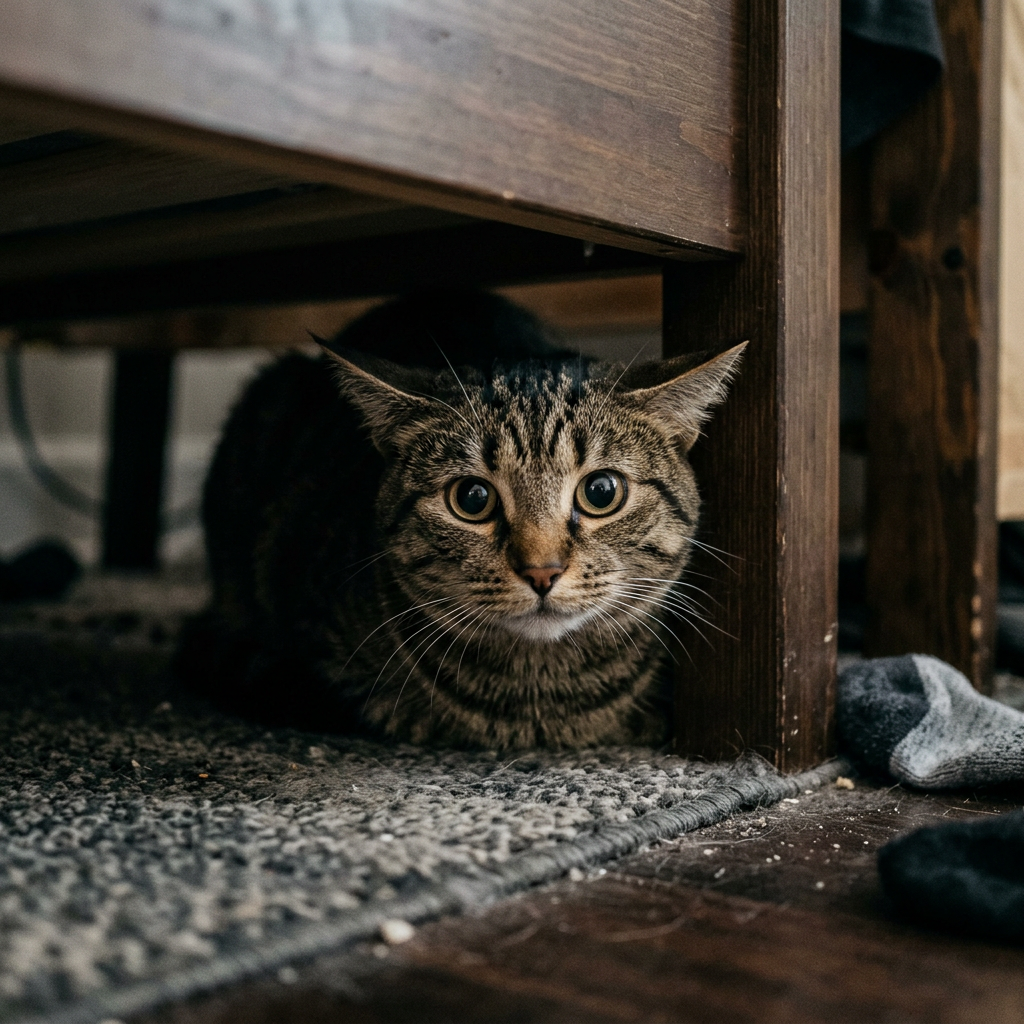
I'll never forget the story of Whiskers, a foster cat who had been with our rescue group for months. To outsiders, she seemed like a normal, happy cat - playful, affectionate, and always up for a good cuddle. But one of our experienced volunteers noticed that Whiskers would often hide under the bed for hours, refusing to come out even for food. It wasn't until we took a closer look that we realized Whiskers was suffering from severe cat anxiety. Her story is a powerful reminder that our feline friends can be masters of disguise, hiding their true feelings behind a mask of calmness.
In this article, we'll delve into the often-overlooked world of cat anxiety, exploring the subtle signs, causes, and solutions to help your cat feel more relaxed and secure. Whether you're a seasoned cat owner or just welcoming a new furry friend into your family, understanding cat anxiety is crucial for providing the best possible care and attention to your pet's emotional well-being.
Table of Contents
What is Cat Anxiety?
Cat anxiety, also known as feline anxiety, refers to a range of emotional and behavioral disorders that can affect cats of all ages and breeds. It's a common problem that can manifest in different ways, from mild stress to full-blown panic attacks. Anxious cats may exhibit unusual behaviors, such as excessive meowing, pacing, or hiding, which can be distressing for both the cat and their owner.
Types of Cat Anxiety
- Separation anxiety in cats: distress caused by separation from their primary caregiver
- Social anxiety: fear or avoidance of people, other cats, or new environments
- Generalized anxiety: persistent and excessive worry about everyday things
Warning Signs of Cat Anxiety
Identifying the warning signs of cat anxiety is crucial for providing timely support and intervention. Some common signs include:
Physical Signs
- Over-grooming: excessive licking, chewing, or scratching
- Hiding: avoiding social interactions or hiding in secluded areas
- Changes in eating: increased or decreased appetite, or eating at unusual times
- Dilated pupils: enlarged pupils can indicate fear or anxiety
- Tail flicking: rapid tail movements can signal irritation or stress
Behavioral Signs
- Pacing or restlessness
- Vocalization, such as meowing or hissing
- Destructive behavior, such as scratching furniture
Causes of Cat Anxiety
Cat anxiety can be triggered by a variety of factors, including:
Environmental Factors
- Changes in the home environment, such as moving to a new house
- Introduction of new pets or people
- Lack of stimulation or exercise
Medical Factors
- Pain or discomfort due to medical conditions
- Sensory sensitivities, such as noise or light aversion
- Genetic predisposition to anxiety
Treatment and Solutions for Cat Anxiety
Treating cat anxiety requires a multi-faceted approach that addresses the underlying causes and provides emotional support. Some effective solutions include:
Behavioral Therapy
- Desensitization and counterconditioning techniques
- Positive reinforcement training
- Environmental enrichment, such as puzzle toys and scratching posts
Calming Aids
- Pheromone diffusers, such as Feliway
- Calming music or white noise
- Anti-anxiety medications, under veterinary guidance
Preventing Cat Anxiety
Preventing cat anxiety is always better than treating it. By providing a stable and nurturing environment, you can help reduce your cat's stress levels and prevent anxiety from developing. Some preventative measures include:
Establishing a Routine
- Regular feeding times and schedules
- Predictable playtime and exercise
- Consistent sleep patterns
Providing Emotional Support
- Spending quality time with your cat
- Offering a safe and comfortable space for relaxation
- Minimizing changes and stressors in the home environment
Environmental Enrichment for Anxious Cats
Environmental enrichment is a powerful tool for reducing cat anxiety and promoting overall well-being. By providing a stimulating and engaging environment, you can help distract your cat from anxious thoughts and behaviors. Some ideas for environmental enrichment include:
Interactive Toys and Games
- Puzzle toys filled with treats
- Feather wands or laser pointers
- Food puzzle toys
Sensory Stimulation
- Scratching posts and pads
- Catnip or pheromone-infused toys
- Window perches for observation
When to See a Vet for Cat Anxiety
If you suspect that your cat is suffering from anxiety, it's essential to consult with a veterinarian to rule out underlying medical conditions and develop a personalized treatment plan. You should seek veterinary advice if you notice:
Severe or Persistent Anxiety
- Extreme distress or panic attacks
- Changes in appetite or sleep patterns
- Increased vocalization or destructive behavior
Underlying Medical Conditions
- Pain or discomfort due to medical conditions
- Sensory sensitivities or allergies
- Genetic predisposition to anxiety
Frequently Asked Questions
What are the most common signs of cat anxiety?
The most common signs of cat anxiety include over-grooming, hiding, changes in eating, dilated pupils, and tail flicking. However, each cat is different, and some may exhibit unique signs of anxiety.
Can cats develop separation anxiety?
Yes, cats can develop separation anxiety, which is a type of anxiety disorder that occurs when a cat is separated from their primary caregiver. This can lead to distressing behaviors, such as excessive meowing, pacing, or destructive behavior.
How can I help my anxious cat feel more relaxed?
There are several ways to help your anxious cat feel more relaxed, including providing a stable and predictable environment, offering emotional support, and using calming aids such as pheromone diffusers or calming music.
What is the best way to treat cat anxiety?
The best way to treat cat anxiety is through a multi-faceted approach that addresses the underlying causes and provides emotional support. This may include behavioral therapy, calming aids, and environmental enrichment.
Can cat anxiety be prevented?
While it's not possible to completely prevent cat anxiety, you can take steps to reduce your cat's stress levels and prevent anxiety from developing. This includes providing a stable and nurturing environment, establishing a routine, and offering emotional support.
When should I seek veterinary advice for my anxious cat?
You should seek veterinary advice if you notice severe or persistent anxiety in your cat, or if you suspect that an underlying medical condition may be contributing to their anxiety. Your veterinarian can help you develop a personalized treatment plan and provide guidance on how to support your cat's emotional well-being.
Can cat anxiety be a sign of an underlying medical condition?
Yes, cat anxiety can be a sign of an underlying medical condition, such as pain or discomfort, sensory sensitivities, or genetic predisposition to anxiety. It's essential to consult with a veterinarian to rule out underlying medical conditions and develop an effective treatment plan.
As we've explored in this article, cat anxiety is a complex and multifaceted issue that requires patience, understanding, and compassion. By recognizing the subtle signs of anxiety, providing emotional support, and seeking veterinary guidance when needed, you can help your cat feel more relaxed, secure, and happy. Remember, every cat is unique, and what works for one cat may not work for another. With time, effort, and the right approach, you can help your anxious cat thrive and live a fulfilling life. If you're concerned about your cat's anxiety or have questions about how to support their emotional well-being, don't hesitate to reach out to your veterinarian for guidance and advice.