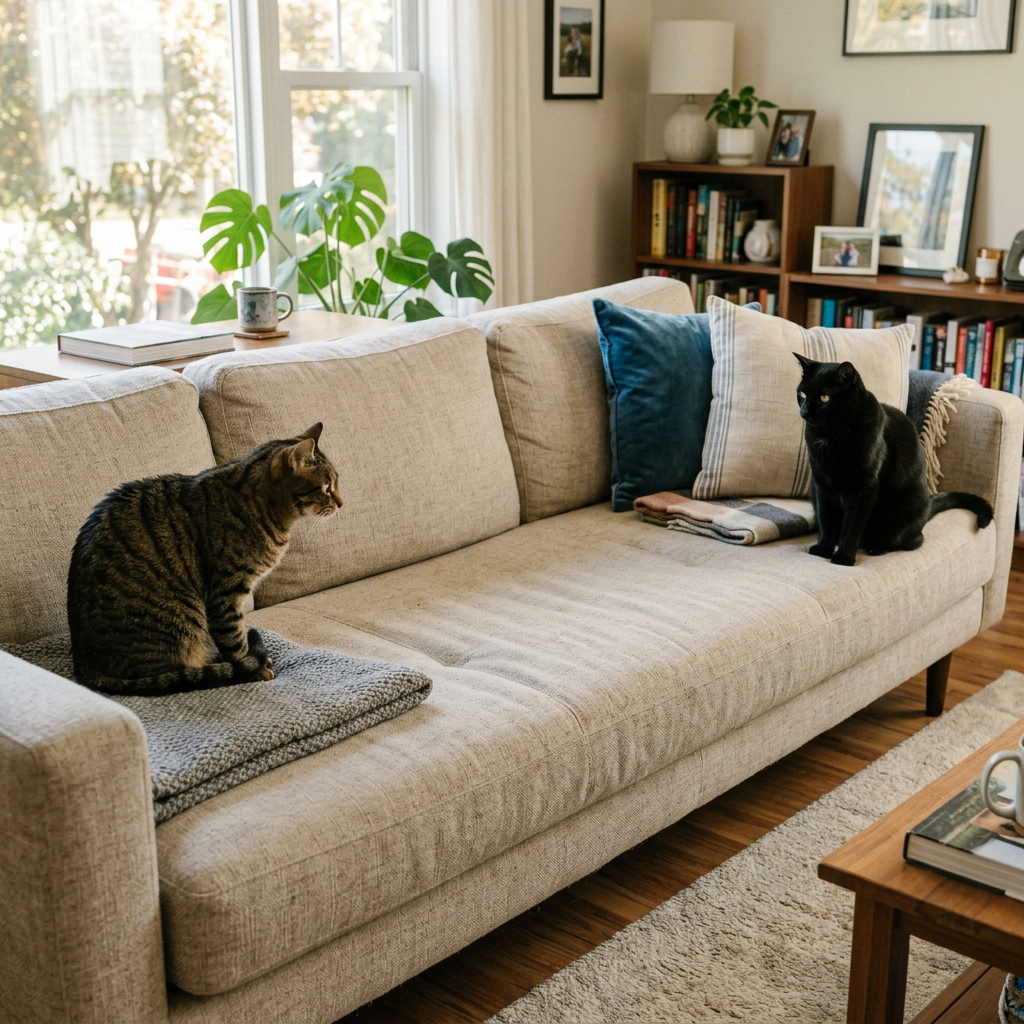
I still remember the day my client, Sourabh Gupta, introduced a new kitten to her household, hoping to provide companionship for her existing cat, Luna. However, the outcome was far from harmonious. Luna, who had been the center of attention for years, became withdrawn and irritable, while the new kitten, Leo, seemed anxious and stressed. As a veterinarian and feline behaviorist, I've seen this scenario play out time and time again. Multi-cat households can be a recipe for disaster if not managed properly, leading to cat anxiety, territorial stress, and social hierarchy conflicts. In this article, we'll delve into the world of cat anxiety, exploring the warning signs, causes, and most importantly, solutions to create a harmonious and peaceful environment for all your feline friends.
Whether you're a seasoned cat owner or a newcomer to the world of multi-cat households, this comprehensive guide will provide you with the knowledge and tools to identify and address cat anxiety, helping you to create a serene and happy home for all your cats. From recognizing the subtle signs of stress to implementing environmental modifications, we'll cover it all, so you can ensure your cats live in perfect harmony.
Table of Contents
Understanding Cat Anxiety
Cat anxiety, also known as feline anxiety, refers to a range of behavioral and physiological changes that occur in cats in response to stress, fear, or uncertainty. It can manifest in various ways, including separation anxiety in cats, where cats become distressed when left alone, and social anxiety, where cats feel uneasy in the presence of other cats or people.
Common Cat Stress Symptoms
- Pacing or restlessness
- Excessive meowing or vocalization
- Hiding or avoidance behaviors
- Changes in appetite or elimination habits
- Increased grooming or self-soothing behaviors
Recognizing Warning Signs of Cat Anxiety
Identifying the warning signs of cat anxiety is crucial in addressing the issue promptly and effectively. Some common signs of anxious cats include changes in behavior, such as increased aggression, fear, or avoidance, and physical symptoms, like rapid breathing, panting, or trembling. By recognizing these signs, you can take steps to calm your anxious cat and prevent the situation from escalating.
Monitoring Your Cat's Behavior
Keep a close eye on your cat's behavior, watching for any changes that may indicate anxiety or stress. This includes monitoring their appetite, sleep patterns, and social interactions with other cats and people.
Causes of Cat Anxiety in Multi-Cat Households
Cat anxiety in multi-cat households can be caused by a variety of factors, including territorial stress, where cats feel the need to defend their territory from other cats, and resource guarding, where cats compete for food, water, or attention. Social hierarchy conflicts can also contribute to cat anxiety, as cats establish a pecking order within the household.
Understanding Feline Social Dynamics
Cats are naturally solitary animals, but they can adapt to living with other cats if introduced properly. However, if the introduction is done incorrectly, it can lead to conflict and anxiety.
Deciphering Inter-Cat Body Language
Reading inter-cat body language is essential in understanding the dynamics between your cats. Posture, facial expressions, and vocalizations can all indicate a cat's emotional state. For example, a cat that is feeling anxious or threatened may arch its back, flatten its ears, or hiss. By recognizing these signs, you can intervene early and prevent conflicts from escalating.
Common Body Language Cues
- Direct stare: a sign of aggression or challenge
- Avoidance: a sign of fear or submission
- Rubbing: a sign of affection or marking
Creating Harmony through Environmental Modifications
Environmental modifications can play a significant role in reducing cat anxiety in multi-cat households. Increasing vertical space by adding cat shelves or cat trees can help to reduce competition for resources and provide a sense of security. Providing multiple resources, such as food and water stations, litter boxes, and scratching posts, can also help to reduce stress and anxiety.
Designing a Cat-Friendly Environment
When designing your home, consider your cats' needs and preferences. This includes providing quiet areas for retreat and relaxation, as well as stimulating activities to keep your cats engaged and active.
Prevention and Enrichment Strategies
Preventing cat anxiety in multi-cat households requires a proactive approach. Gradual introductions can help to reduce stress and anxiety when introducing new cats to the household. Positive reinforcement training can also help to promote positive behaviors and reduce conflict.
Enriching Your Cats' Lives
Providing mental and physical stimulation is essential for maintaining your cats' overall health and well-being. This includes offering interactive toys, scratching posts, and climbing structures to keep your cats active and engaged.
When to Seek Veterinary Help
If you've noticed any signs of cat anxiety in your multi-cat household, it's essential to seek veterinary help. Your veterinarian can help to identify the underlying causes of the anxiety and provide guidance on the best course of treatment. In some cases, medication may be necessary to help manage your cat's anxiety.
Working with Your Veterinarian
By working closely with your veterinarian, you can develop a comprehensive plan to address your cat's anxiety and create a more harmonious home environment.
Frequently Asked Questions
What are the most common causes of cat anxiety in multi-cat households?
The most common causes of cat anxiety in multi-cat households include territorial stress, resource guarding, and social hierarchy conflicts. These conflicts can arise when cats feel the need to defend their territory, compete for resources, or establish a pecking order within the household.
How can I introduce a new cat to my multi-cat household without causing stress and anxiety?
Introducing a new cat to your multi-cat household requires a gradual and controlled approach. Start by keeping the cats separated and allowing them to become familiar with each other's scents and sounds. Once they seem comfortable with each other's presence, you can begin to introduce them under close supervision, rewarding calm behavior and providing a safe space for each cat to retreat if needed.
What are some common signs of separation anxiety in cats?
Common signs of separation anxiety in cats include excessive meowing or vocalization, pacing or restlessness, destructive behavior, and elimination outside of the litter box. If you notice any of these signs, it's essential to seek veterinary help to address the underlying anxiety and develop a plan to manage your cat's separation anxiety.
Can cat anxiety be treated with medication?
In some cases, medication may be necessary to help manage your cat's anxiety. However, it's essential to work closely with your veterinarian to determine the best course of treatment, as medication should only be used in conjunction with environmental modifications and behavioral changes.
How can I create a cat-friendly environment to reduce stress and anxiety?
Creating a cat-friendly environment involves providing a safe and stimulating space for your cats to live and thrive. This includes increasing vertical space, providing multiple resources, and designing a layout that promotes calm and relaxation. You can also add scratching posts, climbing structures, and interactive toys to keep your cats engaged and active.
What role does positive reinforcement training play in reducing cat anxiety?
Positive reinforcement training can play a significant role in reducing cat anxiety by promoting positive behaviors and reinforcing calm, relaxed behavior. By rewarding your cat for calm behavior, you can help to build their confidence and reduce stress and anxiety in the presence of other cats or people.
When should I seek veterinary help for my cat's anxiety?
If you've noticed any signs of cat anxiety in your multi-cat household, it's essential to seek veterinary help. Your veterinarian can help to identify the underlying causes of the anxiety and provide guidance on the best course of treatment. Don't hesitate to seek help if you notice any changes in your cat's behavior, appetite, or overall health and well-being.
Managing cat anxiety in multi-cat households requires patience, understanding, and a proactive approach. By recognizing the warning signs of anxiety, understanding the causes, and implementing environmental modifications and behavioral changes, you can create a more harmonious and peaceful home environment for all your feline friends. Remember, every cat is unique, and what works for one cat may not work for another. If you're struggling to manage your cat's anxiety, don't hesitate to seek veterinary help. With the right guidance and support, you can help your cats live happy, healthy, and stress-free lives.