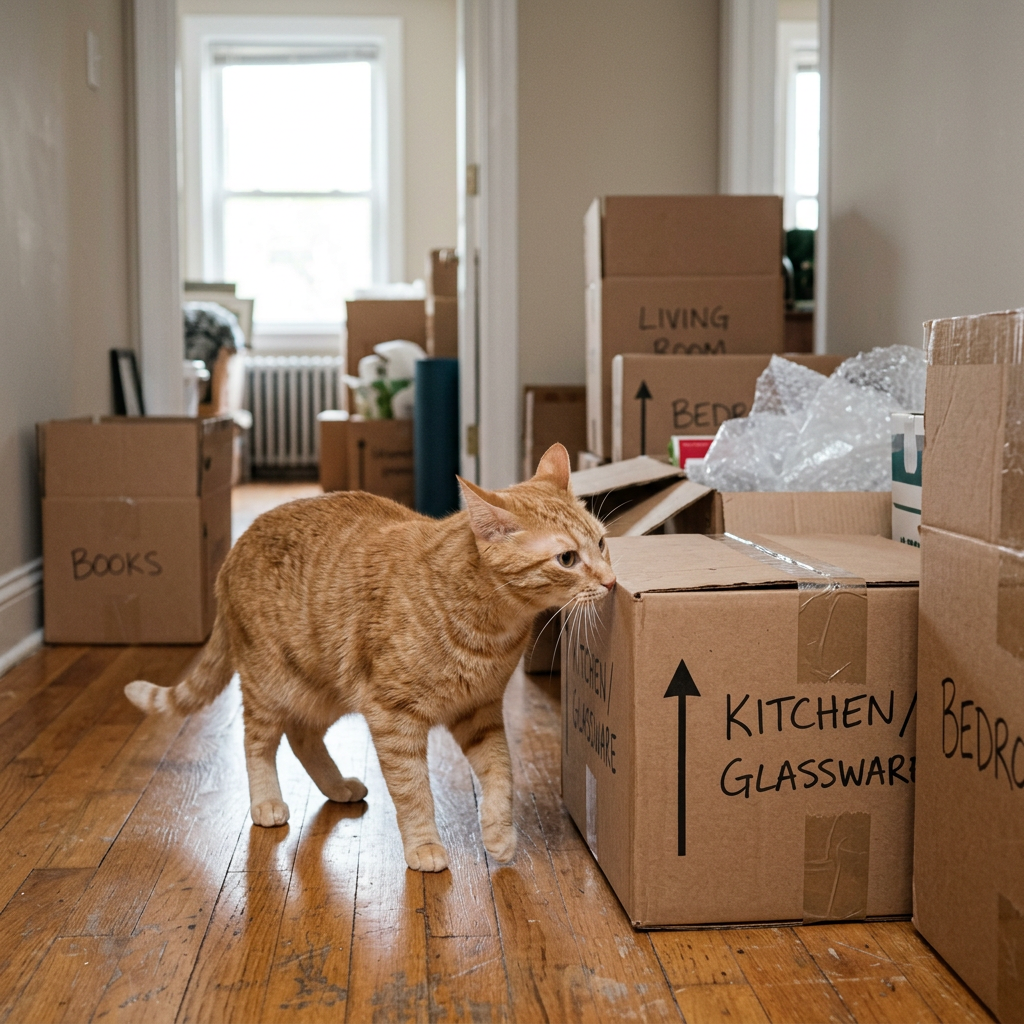
I still remember the day I brought home a rescue cat named Luna. She was a timid little thing, and as soon as we walked into the house, she darted under the bed and stayed there for two weeks. I was worried that I'd never be able to coax her out, but with patience and the right approach, she eventually emerged from her hiding spot and became a confident and loving companion. If you're experiencing something similar with your cat, don't worry – you're not alone. Helping a cat adjust to a new home can be a challenging process, but with the right strategies, you can reduce cat anxiety and create a happy and harmonious home for your feline friend.
In this article, we'll explore the stages of feline adjustment, a room-by-room introduction strategy, the '3-3-3 rule' for rescue cats, and signs that adjustment is progressing well vs. stalling. We'll also discuss common cat stress symptoms and provide tips on calming anxious cats. Whether you're a seasoned cat owner or a newcomer to the world of feline companionship, this guide will help you navigate the process of helping your cat feel comfortable and secure in their new environment.
Table of Contents
The Stages of Feline Adjustment
When a cat is introduced to a new environment, they go through a series of stages as they adjust to their new surroundings. These stages can vary in length and intensity, but they typically include an initial period of anxious cat behavior, followed by a gradual decrease in stress and anxiety as the cat becomes more comfortable.
The Exploration Stage
During this stage, the cat will begin to explore their new environment, sniffing and prowling around the house to get a sense of the layout and the sights and smells. This stage can be a critical period for calming anxious cats, as the cat may feel overwhelmed by the new stimuli.
The Claiming Stage
As the cat becomes more comfortable, they will start to claim certain areas of the house as their own, such as a favorite sleeping spot or a particular scratching post. This stage is an important part of the adjustment process, as it allows the cat to establish a sense of ownership and control over their environment.
Room-by-Room Introduction Strategy
One of the most effective ways to reduce cat anxiety in a new home is to introduce the cat to the house room by room. This approach allows the cat to become familiar with one area at a time, rather than feeling overwhelmed by the entire house at once.
- Start by introducing the cat to a single room, such as a bedroom or bathroom.
- Allow the cat to explore the room at their own pace, without feeling rushed or pressured.
- Once the cat seems comfortable in the first room, you can begin to introduce them to other areas of the house, one room at a time.
By introducing the cat to the house in a gradual and controlled manner, you can help to reduce stressed cat behavior and create a more positive adjustment experience.
The 3-3-3 Rule for Rescue Cats
The 3-3-3 rule is a simple but effective approach to helping rescue cats adjust to their new home. The rule states that the cat should be given:
- 3 days to decompress and relax in their new environment
- 3 weeks to start to feel comfortable and secure
- 3 months to fully adjust to their new home and establish a sense of routine and normalcy
By following the 3-3-3 rule, you can help to reduce feline anxiety and create a more positive adjustment experience for your rescue cat.
Signs that Adjustment is Progressing Well
So how can you tell if your cat is adjusting well to their new home? Some common signs of successful adjustment include:
- Increased exploration and curiosity
- Improved appetite and eating habits
- More frequent and affectionate interaction with family members
- Reduced cat stress symptoms, such as hiding or avoidance behavior
If you notice these signs, it's a good indication that your cat is feeling more comfortable and secure in their new environment.
Signs that Adjustment is Stalling
On the other hand, if you notice that your cat's adjustment is stalling, it may be a sign that they need more time, patience, and support. Some common signs of stalled adjustment include:
- Prolonged hiding or avoidance behavior
- Reduced appetite or eating habits
- Increased anxious cat behavior, such as pacing or vocalization
- Lack of interest in exploration or play
If you notice these signs, it's a good idea to consult with a veterinarian or animal behaviorist for guidance and support.
Common Cat Stress Symptoms
Cats can exhibit a range of stress symptoms when they're feeling anxious or overwhelmed. Some common signs of cat anxiety include:
- Hiding or avoidance behavior
- Pacing or restlessness
- Vocalization or meowing
- Changes in appetite or eating habits
- Increased grooming or scratching behavior
If you notice any of these signs, it's a good idea to take steps to reduce your cat's stress and anxiety, such as providing a calm and comfortable environment, or seeking guidance from a veterinarian or animal behaviorist.
Preventing Cat Anxiety
While it's not always possible to completely prevent cat anxiety, there are several steps you can take to reduce your cat's stress and anxiety. Some tips include:
- Providing a calm and comfortable environment, with plenty of hiding spots and vertical space
- Establishing a regular routine and schedule, to help your cat feel more secure and predictable
- Offering plenty of opportunities for play and exercise, to help your cat release pent-up energy and tension
- Providing a nutritious and balanced diet, to help support your cat's overall health and well-being
By following these tips, you can help to reduce your cat's stress and anxiety, and create a more positive and supportive environment for your feline friend.
Frequently Asked Questions
How long does it take for a cat to adjust to a new home?
The adjustment period can vary depending on the individual cat and their unique circumstances, but it's typically around 3-6 months. However, with patience, love, and the right approach, your cat can adjust to their new home and become a happy and confident companion.
What are the most common signs of cat anxiety?
Common signs of cat anxiety include hiding or avoidance behavior, pacing or restlessness, vocalization or meowing, changes in appetite or eating habits, and increased grooming or scratching behavior. If you notice any of these signs, it's a good idea to take steps to reduce your cat's stress and anxiety, such as providing a calm and comfortable environment, or seeking guidance from a veterinarian or animal behaviorist.
How can I help my cat feel more secure in their new home?
There are several ways to help your cat feel more secure in their new home, including providing a calm and comfortable environment, establishing a regular routine and schedule, offering plenty of opportunities for play and exercise, and providing a nutritious and balanced diet. You can also try providing a familiar object, such as a blanket or toy, to help your cat feel more at ease in their new surroundings.
What is the best way to introduce my cat to a new room?
The best way to introduce your cat to a new room is to do it gradually and under controlled circumstances. Start by allowing your cat to become familiar with the room through scent and sound, then gradually introduce them to the room in person. Be sure to provide plenty of hiding spots and vertical space, and allow your cat to explore the room at their own pace.
How can I tell if my cat is experiencing separation anxiety?
Separation anxiety in cats can manifest in a range of ways, including destructive behavior, vocalization, pacing or restlessness, and changes in appetite or eating habits. If you notice any of these signs, it's a good idea to consult with a veterinarian or animal behaviorist for guidance and support. They can help you develop a plan to address your cat's separation anxiety and reduce their stress and anxiety.
What are some common mistakes to avoid when introducing a cat to a new home?
Some common mistakes to avoid when introducing a cat to a new home include rushing the introduction process, not providing enough hiding spots or vertical space, and not establishing a regular routine and schedule. It's also important to avoid punishing or scolding your cat for any mistakes they may make during the adjustment period, as this can create negative associations and make the adjustment process more difficult.
How can I provide enrichment for my cat in their new home?
Providing enrichment for your cat in their new home can help to reduce cat anxiety and create a more stimulating and engaging environment. Some ideas for enrichment include providing puzzle toys, scratching posts, and climbing structures, as well as offering a variety of textures, smells, and tastes to explore. You can also try providing a view or a window perch, to allow your cat to observe the outdoors and engage with their natural instincts.
Helping a cat adjust to a new home can be a challenging but rewarding process. By understanding the stages of feline adjustment, using a room-by-room introduction strategy, and following the 3-3-3 rule, you can help to reduce cat anxiety and create a happy and harmonious home for your feline friend. Remember to be patient, provide a calm and comfortable environment, and seek guidance from a veterinarian or animal behaviorist if you need it. With time, love, and the right approach, your cat can thrive in their new home and become a beloved and loyal companion.
If you're concerned about your cat's adjustment or have questions about how to support their transition, don't hesitate to reach out to a veterinarian or animal behaviorist for guidance and support. And don't forget to check out our other articles and resources on calming anxious cats and addressing cat behavior problems. With the right knowledge and support, you can help your cat feel happy, healthy, and at home in their new environment.