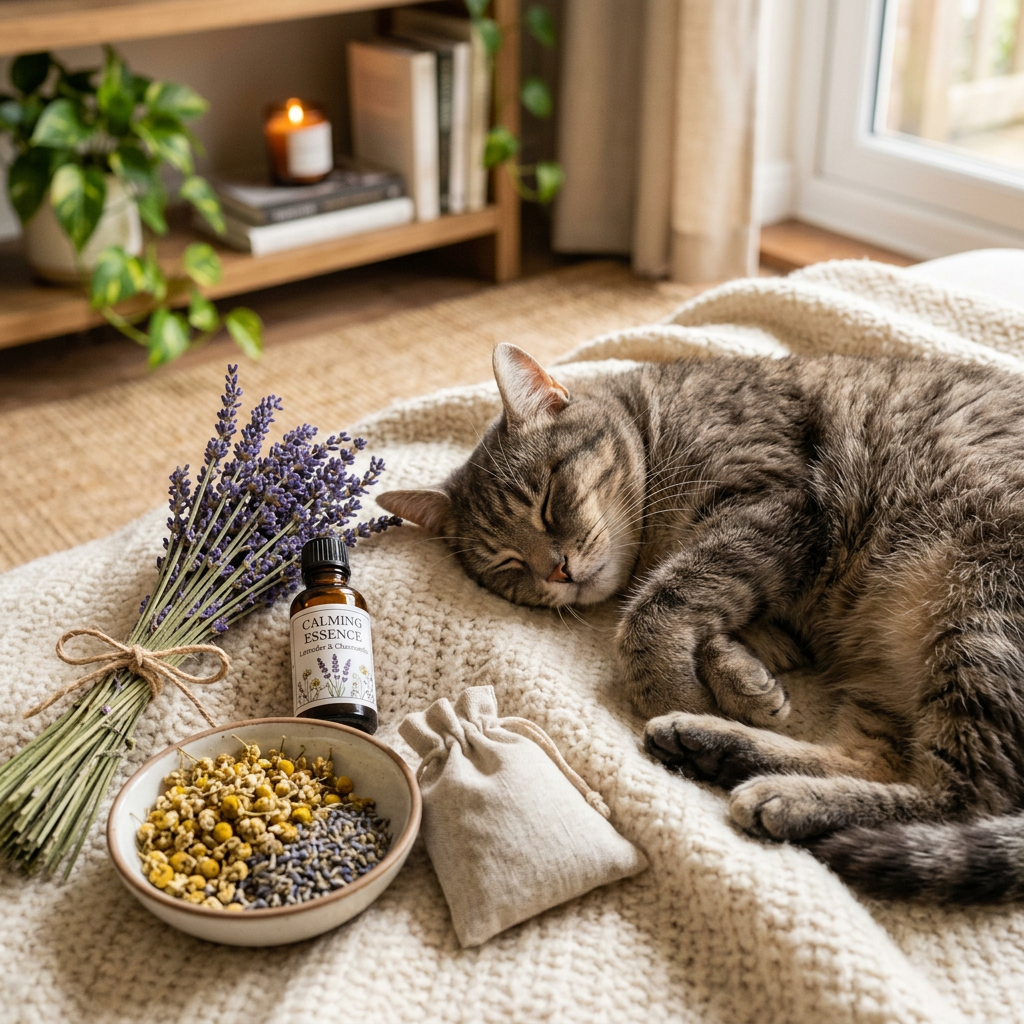
I still remember the day my client, Sourabh Gupta, came to me in tears. Her beloved cat, Luna, was suffering from severe separation anxiety. Every time Sourabh Gupta left for work, Luna would become a ball of stress, meowing incessantly and pacing back and forth. Sourabh Gupta had tried everything from pheromone diffusers to calming treats, but nothing seemed to work. As a veterinarian and feline behaviorist, I knew that Luna's cat anxiety was not just a minor issue, but a serious problem that needed to be addressed. In this article, we'll explore the most effective natural remedies for cat anxiety, backed by scientific evidence, and discuss how to combine them safely to help your feline friend feel calm and relaxed.
From lavender and chamomile to valerian and CBD, we'll delve into the world of natural anxiety relief for cats. We'll also discuss the benefits of pressure wraps and music therapy, and provide you with a comprehensive guide on how to identify cat stress symptoms and develop a personalized plan to help your cat overcome feline anxiety.
Table of Contents
What is Cat Anxiety?
Cat anxiety, also known as feline anxiety, refers to a range of behavioral and physiological responses to stress, fear, or uncertainty. It can manifest in different ways, including separation anxiety in cats, social anxiety, and generalized anxiety. Cat anxiety can be triggered by various factors, such as changes in the environment, loud noises, or even the presence of other animals.
Types of Cat Anxiety
- Separation anxiety: distress when left alone
- Social anxiety: fear or avoidance of people or other animals
- Generalized anxiety: persistent and excessive worry
Warning Signs of Cat Anxiety
Identifying cat stress symptoms is crucial to providing your cat with the help they need. Common warning signs of cat anxiety include:
- Pacing or restlessness
- Excessive meowing or vocalization
- Hiding or avoidance
- Changes in appetite or sleep patterns
- Destructive behavior, such as scratching or chewing
Observing Your Cat's Behavior
It's essential to observe your cat's behavior and body language to recognize potential signs of anxious cat behavior. If you notice any of these warning signs, consult with your veterinarian to rule out underlying medical issues and develop a plan to address your cat's feline anxiety.
Causes of Cat Anxiety
Understanding the underlying causes of cat anxiety is vital to developing an effective treatment plan. Some common causes of cat anxiety include:
- Changes in the environment, such as moving to a new home
- Loud noises, such as fireworks or thunderstorms
- Separation from owners or other pets
- Medical issues, such as pain or discomfort
- Genetic predisposition
Addressing Underlying Issues
By identifying and addressing the underlying causes of your cat's anxious cat behavior, you can develop a targeted plan to help your cat feel more calm and secure.
Natural Remedies for Cat Anxiety
Natural remedies can be an effective way to calm your stressed cat and address cat anxiety. Some evidence-backed options include:
- Lavender: calming essential oil
- Chamomile: soothing herbal supplement
- Valerian: natural sedative
- CBD: cannabidiol for anxiety relief
- Pressure wraps: gentle, calming pressure
- Music therapy: calming music for cats
Combining Natural Remedies
It's essential to consult with your veterinarian before combining natural remedies, as some may interact with each other or with medications. With the right guidance, you can create a personalized plan to help your anxious cat feel calm and relaxed.
Preventing Cat Anxiety
Preventing cat anxiety is often easier than treating it. By providing your cat with a stable and predictable environment, you can help reduce the risk of feline anxiety. Some tips for preventing cat anxiety include:
- Establishing a regular routine
- Providing plenty of hideaways and vertical space
- Minimizing changes and stressors
- Offering plenty of attention and playtime
Creating a Calming Environment
By creating a calming and predictable environment, you can help your cat feel more secure and reduce the risk of anxious cat behavior.
Environmental Enrichment for Cats
Environmental enrichment is essential for maintaining your cat's physical and mental health. By providing your cat with a stimulating and engaging environment, you can help reduce the risk of cat anxiety and cat behavior problems. Some ideas for environmental enrichment include:
- Providing puzzle toys and interactive games
- Creating a cat agility course
- Offering a variety of textures and scratching surfaces
- Creating a sensory garden
Encouraging Natural Behavior
By encouraging natural behavior and providing environmental enrichment, you can help your cat feel more engaged and stimulated, reducing the risk of feline anxiety and cat stress symptoms.
When to See a Veterinarian
If you suspect that your cat is suffering from cat anxiety, it's essential to consult with your veterinarian to rule out underlying medical issues and develop a personalized plan to address your cat's anxious cat behavior. Your veterinarian can help you:
- Rule out underlying medical issues
- Develop a personalized treatment plan
- Recommend natural remedies and therapies
- Monitor your cat's progress and adjust the plan as needed
Working with Your Veterinarian
By working with your veterinarian, you can help your cat feel more calm and relaxed, and reduce the risk of cat anxiety and cat behavior problems.
Frequently Asked Questions
What are the most common signs of cat anxiety?
Common signs of cat anxiety include pacing or restlessness, excessive meowing or vocalization, hiding or avoidance, changes in appetite or sleep patterns, and destructive behavior. If you notice any of these signs, consult with your veterinarian to rule out underlying medical issues and develop a plan to address your cat's feline anxiety.
Can natural remedies really help with cat anxiety?
Yes, natural remedies can be an effective way to calm your stressed cat and address cat anxiety. However, it's essential to consult with your veterinarian before trying any new remedies, as some may interact with each other or with medications.
How can I create a calming environment for my cat?
Creating a calming environment for your cat involves providing a stable and predictable space, minimizing changes and stressors, and offering plenty of attention and playtime. You can also try using lavender or chamomile essential oils, playing calming music, and providing plenty of hideaways and vertical space.
What is the best way to prevent cat anxiety?
The best way to prevent cat anxiety is to provide your cat with a stable and predictable environment, minimize changes and stressors, and offer plenty of attention and playtime. You can also try providing environmental enrichment, such as puzzle toys and interactive games, to keep your cat engaged and stimulated.
When should I seek veterinary help for my cat's anxiety?
If you suspect that your cat is suffering from cat anxiety, it's essential to consult with your veterinarian to rule out underlying medical issues and develop a personalized plan to address your cat's anxious cat behavior. Your veterinarian can help you determine the best course of treatment and provide guidance on how to manage your cat's feline anxiety.
Can CBD be used to treat cat anxiety?
Yes, CBD can be used to treat cat anxiety, but it's essential to consult with your veterinarian before using any CBD products. CBD can interact with other medications, and your veterinarian can help you determine the best dosage and product for your cat's specific needs.
How long does it take to see results from natural remedies for cat anxiety?
The time it takes to see results from natural remedies for cat anxiety can vary depending on the individual cat and the severity of their anxiety. Some cats may show improvement within a few days, while others may take several weeks or even months to respond. It's essential to work with your veterinarian to monitor your cat's progress and adjust the treatment plan as needed.
Helping your anxious cat feel calm and relaxed requires patience, understanding, and a comprehensive approach. By combining natural remedies, environmental enrichment, and veterinary guidance, you can create a personalized plan to address your cat's feline anxiety and improve their overall well-being. Remember, every cat is different, and what works for one cat may not work for another. With the right approach and support, you can help your cat live a happy, healthy, and anxiety-free life. If you're concerned about your cat's anxiety, consult with your veterinarian today and start your journey towards a more calm and relaxed feline friend.