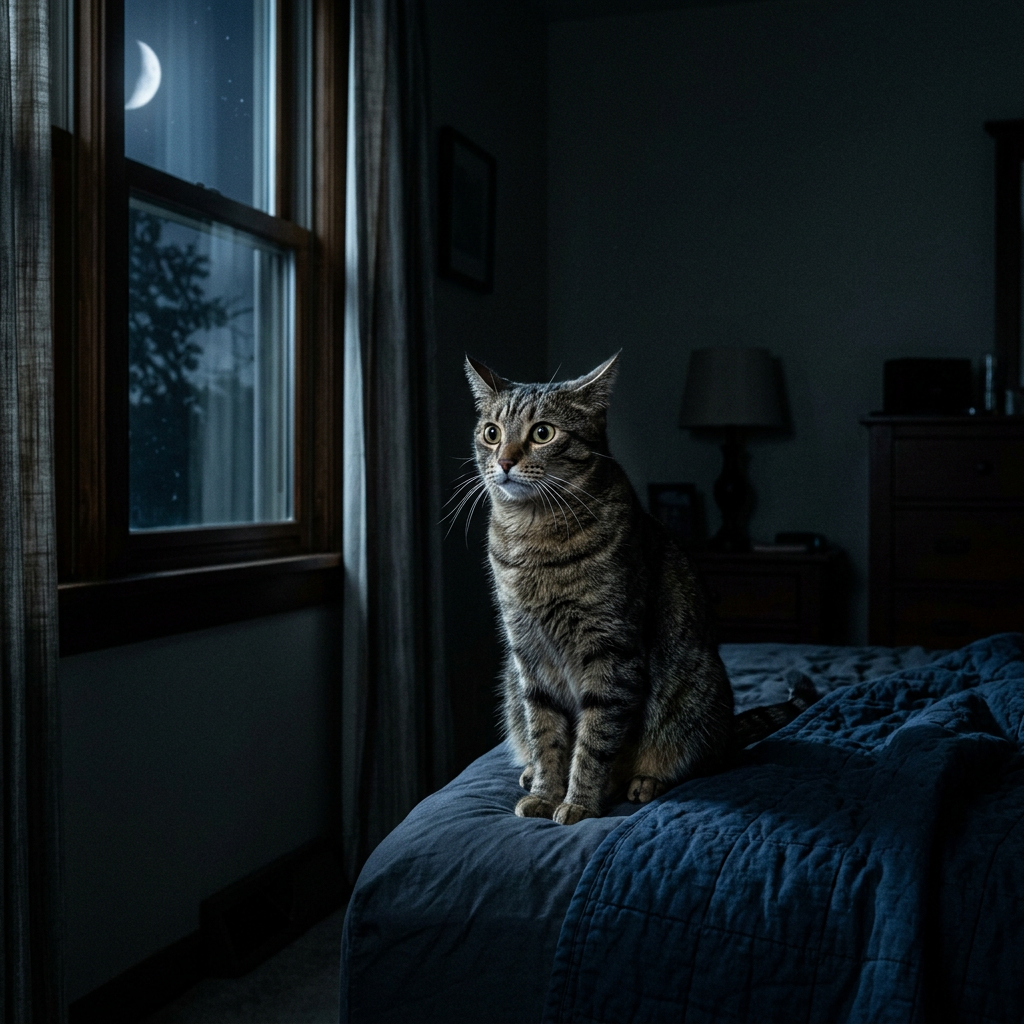
It's 3am and you're wide awake, courtesy of your cat's ear-piercing yowls. For months, you've been dealing with this nightly ritual, feeling helpless as your cat's anxiety seems to spike in the dead of night. You've tried everything from ignoring the behavior to feeding them a midnight snack, but nothing seems to work. If you're at your wit's end, you're not alone. Nighttime anxiety is a common issue many cat owners face, and it's time to get to the bottom of it.
In this article, we'll delve into the world of cat anxiety, exploring why cats get anxious at night, how to distinguish between hunting instincts and anxiety, and most importantly, what you can do to help your cat feel more calm and relaxed, even in the wee hours of the morning.
Table of Contents
What is Cat Anxiety?
Cat anxiety, also known as feline anxiety, refers to a range of stress-related behaviors exhibited by cats. These behaviors can be triggered by various factors, including changes in their environment, separation from their owners, or even medical issues. Anxiety in cats can manifest in different ways, such as vocalization, pacing, or destructive behavior.
Types of Cat Anxiety
- Separation anxiety: caused by separation from their owners
- Environmental anxiety: triggered by changes in their environment
- Medical anxiety: related to medical issues or pain
Warning Signs of Nighttime Anxiety
If your cat is experiencing nighttime anxiety, you may notice some of the following warning signs: midnight zoomies, where your cat suddenly becomes hyperactive and starts running around; vocalization, such as meowing, yowling, or hissing; or restlessness, where your cat has trouble settling down or sleeping.
Other Signs to Look Out For
- Pacing or repetitive behavior
- Increased heart rate or breathing
- Trembling or shaking
Causes of Nighttime Anxiety in Cats
So, why do cats get anxious at night? There are several possible reasons, including hunting instincts, where your cat's natural instinct to hunt and prowl is triggered by the cover of darkness; separation anxiety, where your cat becomes distressed due to separation from their owners; or medical issues, such as pain or discomfort, that can cause anxiety in cats.
Distinguishing Between Hunting Instincts and Anxiety
It's essential to distinguish between your cat's natural hunting instincts and anxiety. If your cat is exhibiting anxious behavior, such as vocalization or restlessness, it's likely due to anxiety rather than just their hunting instincts.
Treatment and Solutions for Cat Anxiety
Fortunately, there are several treatment options and solutions available to help manage your cat's nighttime anxiety. These include play schedules, where you engage your cat in play before bedtime to help them relax; feeding timing, where you adjust your cat's feeding schedule to prevent hunger or discomfort during the night; and creating a calm sleep environment, such as providing a quiet and comfortable space for your cat to sleep.
Calming Aids and Supplements
In some cases, calming aids and supplements, such as pheromone diffusers or calming treats, may be necessary to help reduce your cat's anxiety. However, it's essential to consult with a veterinarian before using any calming aids or supplements to ensure they are safe and effective for your cat.
Preventing Nighttime Anxiety in Cats
Preventing nighttime anxiety in cats requires a combination of providing a stimulating environment, establishing a consistent routine, and addressing any underlying medical issues. By providing adequate exercise and playtime during the day, you can help reduce your cat's energy levels and prevent midnight zoomies. Additionally, creating a predictable routine can help your cat feel more secure and reduce anxiety.
Environmental Enrichment
Environmental enrichment, such as providing scratching posts, climbing structures, or interactive toys, can help stimulate your cat's mind and body, reducing the likelihood of anxiety and boredom.
Enriching Your Cat's Environment to Reduce Anxiety
Enriching your cat's environment is crucial in reducing anxiety and stress. By providing a stimulating and engaging environment, you can help distract your cat from any anxiety triggers and promote relaxation. Some ways to enrich your cat's environment include rotating toys and accessories, providing scratching posts and climbing structures, and creating hiding spots and cozy areas for your cat to retreat to.
Sensory Stimulation
Sensory stimulation, such as providing different textures, smells, and tastes, can also help enrich your cat's environment and reduce anxiety.
When to See a Vet for Your Cat's Anxiety
If your cat's anxiety persists or worsens despite trying various treatment options and solutions, it's essential to consult with a veterinarian to rule out any underlying medical issues. Your veterinarian can help diagnose any underlying medical conditions that may be contributing to your cat's anxiety and provide guidance on the best course of treatment.
Red Flags
Some red flags that indicate you should seek veterinary attention include increased vocalization or aggression, changes in appetite or sleep patterns, or increased pacing or restlessness.
Frequently Asked Questions
Why do cats get anxious at night?
Cats can get anxious at night due to various reasons, including hunting instincts, separation anxiety, or medical issues. It's essential to distinguish between these reasons and address any underlying causes to help reduce your cat's anxiety.
How can I tell if my cat's nighttime vocalization is due to anxiety or hunger?
If your cat's vocalization is due to hunger, they will likely respond to food or treats. However, if your cat's vocalization persists despite feeding, it may be a sign of anxiety. Look for other signs of anxiety, such as pacing or restlessness, to determine the underlying cause.
Can play schedules help reduce my cat's nighttime anxiety?
Yes, play schedules can help reduce your cat's nighttime anxiety by providing exercise and stimulation before bedtime. Engage your cat in play activities that stimulate their mind and body, such as chasing a laser pointer or playing with feather toys.
What are some calming aids and supplements that can help reduce my cat's anxiety?
Calming aids and supplements, such as pheromone diffusers or calming treats, can help reduce your cat's anxiety. However, it's essential to consult with a veterinarian before using any calming aids or supplements to ensure they are safe and effective for your cat.
How can I create a calm sleep environment for my cat?
To create a calm sleep environment for your cat, provide a quiet and comfortable space for them to sleep. This can include providing a cozy bed or blanket, reducing noise levels, and maintaining a consistent temperature. You can also try using calming aids, such as pheromone diffusers, to promote relaxation.
When should I seek veterinary attention for my cat's anxiety?
If your cat's anxiety persists or worsens despite trying various treatment options and solutions, it's essential to consult with a veterinarian to rule out any underlying medical issues. Look for red flags, such as increased vocalization or aggression, changes in appetite or sleep patterns, or increased pacing or restlessness, and seek veterinary attention if you notice any of these signs.
Can separation anxiety contribute to my cat's nighttime anxiety?
Yes, separation anxiety can contribute to your cat's nighttime anxiety. If your cat becomes distressed due to separation from their owners, it can lead to anxiety and stress, especially at night when they are left alone. Providing a consistent routine and plenty of attention and interaction during the day can help reduce separation anxiety and nighttime anxiety.
Dealing with your cat's nighttime anxiety can be challenging, but by understanding the underlying causes and trying various treatment options and solutions, you can help reduce your cat's stress and anxiety. Remember to provide a stimulating environment, establish a consistent routine, and address any underlying medical issues to promote relaxation and calmness in your cat. If you're unsure about your cat's anxiety or need guidance on the best course of treatment, don't hesitate to consult with a veterinarian. With patience, love, and the right approach, you can help your cat feel more calm and relaxed, even in the dead of night.