I still remember the breakthrough session I had with a terrified shelter cat named Luna. She was cowering in the back of her cage, refusing to come out or interact with anyone. But with some patience and the right toys, we were able to coax her out and engage her in play. It was amazing to see her transform from a fearful, anxious cat to a confident, curious one. As a feline behaviorist and veterinarian, I've seen firsthand the powerful impact that play can have on reducing cat anxiety. In this article, we'll explore the science behind play as stress relief, discuss the types of play that can calm anxious cats, and provide tips on how to engage even the most fearful felines.
Whether you're dealing with separation anxiety in cats, or simply want to help your cat feel more relaxed and happy, this article will provide you with the tools and knowledge you need. We'll cover the warning signs of cat anxiety, the causes of feline anxiety, and the various treatment options available. We'll also discuss the importance of play in preventing and reducing cat anxiety, and provide advice on how to create a fun and stimulating environment for your cat.
Table of Contents
What is Cat Anxiety?
Cat anxiety, also known as feline anxiety, refers to a range of behavioral and emotional problems that can affect cats. These problems can include separation anxiety in cats, fear-based behaviors, and compulsive disorders. Cat anxiety can be caused by a variety of factors, including changes in the cat's environment, medical problems, and genetic predisposition.
Common Symptoms of Cat Anxiety
- Pacing or restlessness
- Excessive meowing or crying
- Hiding or avoidance behaviors
- Increased grooming or self-soothing behaviors
- Changes in appetite or sleep patterns
Warning Signs of Cat Anxiety
If you're concerned that your cat may be experiencing anxiety, there are several warning signs to look out for. These can include changes in behavior, such as increased aggression or fearfulness, as well as physical symptoms, such as pacing or rapid breathing. It's also important to be aware of the potential causes of cat anxiety, such as changes in the cat's environment or medical problems.
Common Warning Signs of Cat Anxiety
- Changes in appetite or sleep patterns
- Increased hiding or avoidance behaviors
- Excessive meowing or crying
- Pacing or restlessness
- Changes in grooming or self-soothing behaviors
Causes of Feline Anxiety
Cat anxiety can be caused by a variety of factors, including changes in the cat's environment, such as a move to a new home or the introduction of a new pet or family member. Medical problems can also contribute to cat anxiety, as can genetic predisposition. Additionally, lack of stimulation or exercise can lead to boredom and stress, which can exacerbate anxiety in cats.
Common Causes of Cat Anxiety
- Changes in the cat's environment
- Medical problems
- Genetic predisposition
- Lack of stimulation or exercise
- Separation from the cat's primary caregiver
The Science of Play as Stress Relief
Play is a natural and essential part of a cat's behavior, and it can have a powerful impact on reducing stress and anxiety in cats. When cats play, they are able to release tension and pent-up energy, which can help to calm their minds and bodies. Play can also provide a healthy distraction from stressful or anxiety-provoking stimuli, and can help to build confidence and self-esteem in cats.
The Benefits of Play for Cats
- Reduces stress and anxiety
- Provides a healthy distraction from stressful stimuli
- Builds confidence and self-esteem
- Improves physical health and coordination
- Enhances mental stimulation and cognitive function
Types of Play that Calm Anxious Cats
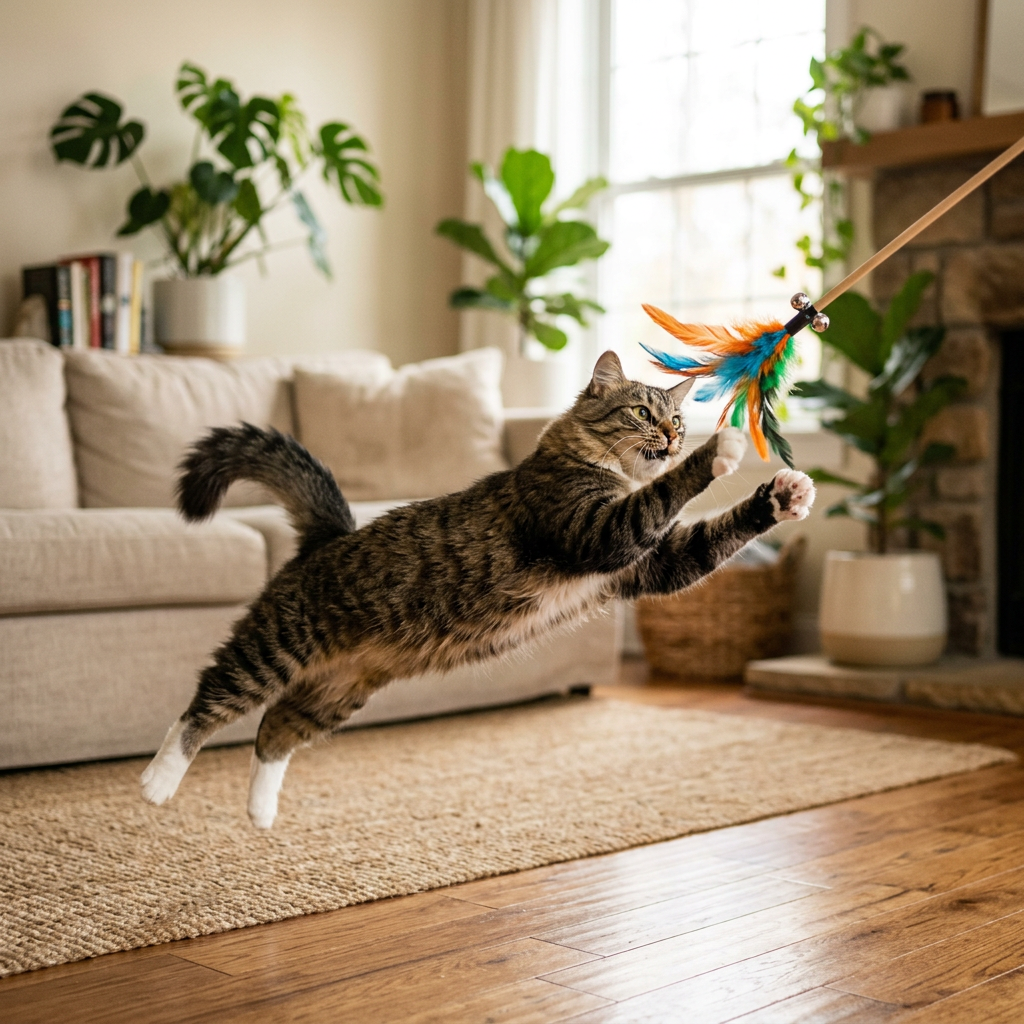
There are several types of play that can be particularly effective in calming anxious cats. These include interactive play, such as chasing a laser pointer or playing with a feather toy, as well as object play, such as batting at a ball or playing with a puzzle toy. Sensory play can also be beneficial, such as playing with a catnip toy or exploring a sensory mat.
Types of Play that Calm Anxious Cats
- Interactive play
- Object play
- Sensory play
- Food puzzle toys
- Scratching and climbing
The Wand Toy Technique for Fearful Cats
The wand toy technique is a gentle and effective way to engage fearful cats in play. This involves using a wand toy with a lure or attachment to entice the cat to play, while moving slowly and calmly to avoid startling or frightening the cat. The goal is to build trust and confidence in the cat, and to encourage them to engage in play.
Using the Wand Toy Technique with Fearful Cats
- Start by moving the wand toy slowly and calmly
- Use a lure or attachment to entice the cat to play
- Build trust and confidence in the cat
- Gradually increase the intensity and duration of play
- Be patient and gentle, and avoid startling or frightening the cat
Daily Play Scheduling for Reduced Cat Anxiety
Daily play scheduling can be an effective way to reduce cat anxiety and promote overall health and well-being in cats. This involves scheduling regular play sessions throughout the day, and providing a variety of toys and activities to keep the cat engaged and stimulated. The goal is to provide a sense of routine and predictability, which can help to reduce stress and anxiety in cats.
Daily Play Scheduling for Cats
- Schedule regular play sessions throughout the day
- Provide a variety of toys and activities
- Encourage interactive play and socialization
- Provide opportunities for rest and relaxation
- Be consistent and patient, and adjust the schedule as needed
How to Engage a Cat Who Won't Play
Engaging a cat who won't play can be a challenging but rewarding experience. The key is to be patient and gentle, and to start with small, low-key interactions. This can include simply sitting with the cat and allowing them to become comfortable with your presence, or offering a treat or toy to entice them to play.
Engaging a Cat Who Won't Play
- Start with small, low-key interactions
- Be patient and gentle, and avoid startling or frightening the cat
- Offer a treat or toy to entice the cat to play
- Gradually increase the intensity and duration of play
- Be consistent and patient, and adjust the approach as needed
Frequently Asked Questions
What are the warning signs of cat anxiety?
The warning signs of cat anxiety can include changes in behavior, such as increased aggression or fearfulness, as well as physical symptoms, such as pacing or rapid breathing. Other signs can include changes in appetite or sleep patterns, increased hiding or avoidance behaviors, and excessive meowing or crying.
How can I help my cat feel more relaxed and happy?
There are several ways to help your cat feel more relaxed and happy, including providing a safe and comfortable environment, engaging in regular play and socialization, and providing a variety of toys and activities to keep them stimulated. You can also try using calming aids, such as pheromone diffusers or calming music, to help reduce stress and anxiety in your cat.
What is the best type of play for anxious cats?
The best type of play for anxious cats will depend on the individual cat and their specific needs and preferences. However, interactive play, such as chasing a laser pointer or playing with a feather toy, can be particularly effective in calming anxious cats. Object play, such as batting at a ball or playing with a puzzle toy, can also be beneficial, as can sensory play, such as playing with a catnip toy or exploring a sensory mat.
How often should I play with my cat?
The frequency and duration of play will depend on the individual cat and their specific needs and preferences. However, most cats benefit from at least 15-30 minutes of play per day, divided into several shorter sessions. It's also important to provide a variety of toys and activities to keep your cat engaged and stimulated, and to adjust the frequency and duration of play based on your cat's age, health, and individual needs.
What if my cat won't play?
If your cat won't play, it's not uncommon. Some cats can be naturally more sedentary or laid-back, while others may be experiencing stress or anxiety that makes them less inclined to play. In this case, it's best to start with small, low-key interactions, such as simply sitting with your cat or offering a treat or toy to entice them to play. Be patient and gentle, and avoid startling or frightening your cat, as this can create more stress and anxiety.
Can play really reduce cat anxiety?
Yes, play can be a highly effective way to reduce cat anxiety. Play provides a healthy distraction from stressful or anxiety-provoking stimuli, and can help to build confidence and self-esteem in cats. It can also provide a sense of routine and predictability, which can help to reduce stress and anxiety in cats. Additionally, play can help to release tension and pent-up energy, which can help to calm the mind and body.
How can I create a fun and stimulating environment for my cat?
There are several ways to create a fun and stimulating environment for your cat, including providing a variety of toys and activities, such as scratching posts, climbing structures, and puzzle toys. You can also try rotating toys and activities regularly to keep your cat engaged and interested, and providing opportunities for socialization and interaction with people and other animals. Additionally, you can try creating a sensory experience for your cat, such as providing a catnip toy or exploring a sensory mat.
In conclusion, play is a powerful tool for reducing cat anxiety and promoting overall health and well-being in cats. By providing a variety of toys and activities, engaging in regular play and socialization, and creating a fun and stimulating environment, you can help your cat feel more relaxed and happy. Remember to be patient and gentle, and to adjust your approach based on your cat's individual needs and preferences. With time and effort, you can help your cat overcome anxiety and live a happy, healthy life. If you're concerned about your cat's anxiety or stress levels, consult with a veterinarian or certified animal behaviorist for personalized advice and guidance.