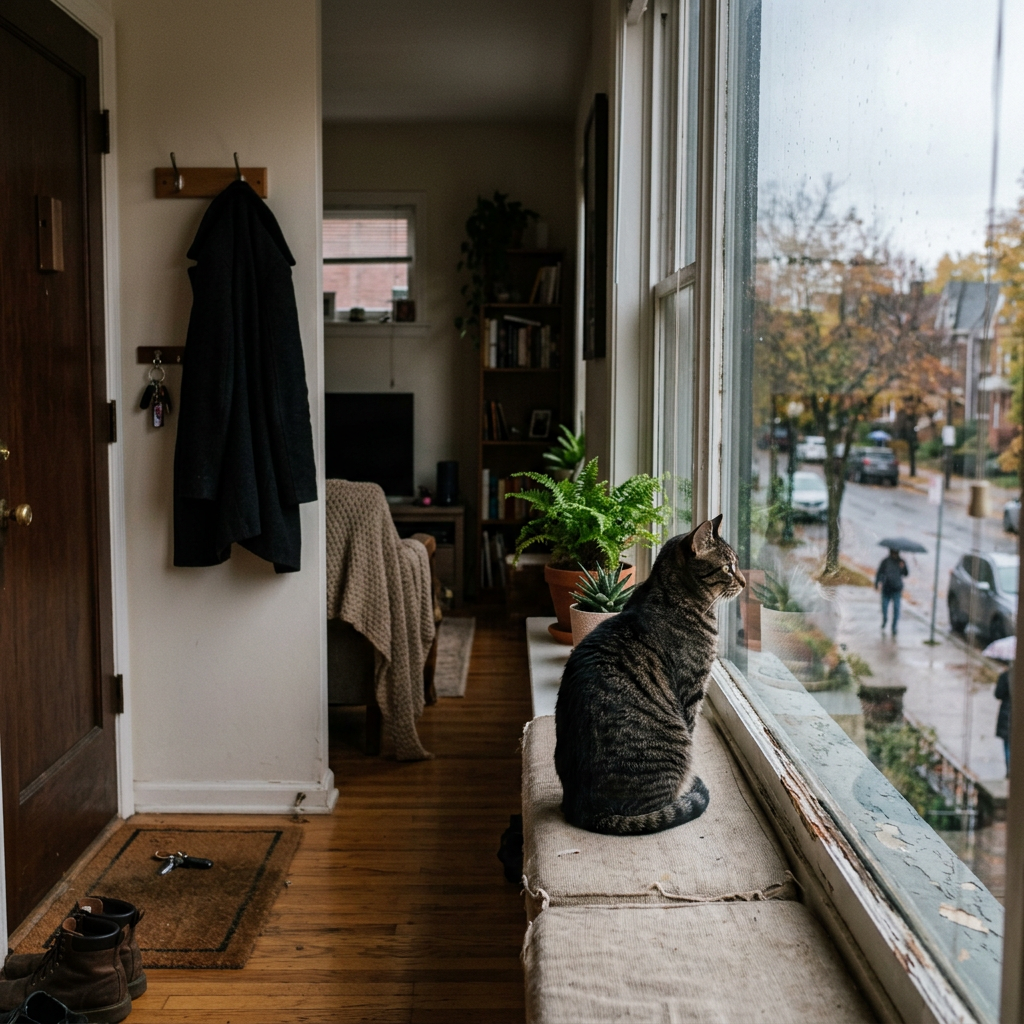
I still remember the surge of veterinary behavioral consultations that hit our clinic in 2022 - a staggering 30% increase from the previous year. As a feline behaviorist and veterinarian, I've seen firsthand how the pandemic has affected our feline friends. With owners spending more time at home, many cats developed a strong dependency on their human companions. Now, as people return to the office, cats are experiencing post-pandemic separation anxiety. In this article, we'll explore the signs of cat anxiety, its causes, and most importantly, provide a gradual return-to-alone protocol to help your cat adjust to your new work schedule.
Whether you're a seasoned cat owner or a new pet parent, understanding and addressing cat anxiety is crucial for your cat's well-being and your peace of mind. We'll delve into the world of feline anxiety, discussing topics such as calming anxious cats, recognizing cat stress symptoms, and preventing separation anxiety in cats. By the end of this article, you'll be equipped with the knowledge and tools to help your cat thrive in a post-pandemic world.
Table of Contents
What is Cat Anxiety?
Cat anxiety, also known as feline anxiety, refers to a range of behavioral and emotional issues that affect cats. It can manifest in different ways, including separation anxiety, noise phobia, and generalized anxiety. As a cat owner, it's essential to recognize the signs of cat anxiety and take proactive steps to address it.
Types of Cat Anxiety
- Separation anxiety: distress when left alone
- Noise phobia: fear of loud noises
- Generalized anxiety: persistent and excessive worry
Warning Signs of Cat Anxiety
Identifying the warning signs of cat anxiety is crucial for providing timely intervention and support. Some common signs of anxious cats include:
Behavioral Changes
- Pacing or restlessness
- Excessive meowing or crying
- Destructive behavior, such as scratching furniture
- Changes in appetite or sleep patterns
Physical Symptoms
- Trembling or shaking
- Panting or rapid breathing
- Increased heart rate
- Hiding or avoidance behaviors
Causes of Cat Anxiety
Understanding the causes of cat anxiety is vital for developing an effective treatment plan. Some common causes of feline anxiety include:
Environmental Factors
- Changes in the home environment, such as a new pet or person
- loud noises or stressors
- Lack of social interaction or stimulation
Medical Conditions
- Pain or discomfort
- Sensory issues, such as hearing or vision loss
- Medical conditions, such as hyperthyroidism or arthritis
Treatment and Solutions for Cat Anxiety
Treating cat anxiety requires a multi-faceted approach that incorporates behavioral modifications, environmental changes, and, in some cases, medication. Some effective solutions for anxious cats include:
Behavioral Therapy
- Desensitization and counterconditioning
- Positive reinforcement training
- Gradual exposure to stressors
Environmental Enrichment
- Providing vertical space and hiding spots
- Increasing social interaction and playtime
- Creating a calm and predictable environment
Preventing Separation Anxiety in Cats
Preventing separation anxiety in cats requires a gradual and gentle approach to your return-to-office schedule. Here are some tips to help your cat adjust:
Gradual Separation
- Start by leaving your cat alone for short periods, such as 30 minutes
- Gradually increase the duration of your absence over time
- Provide plenty of attention and interaction before leaving the house
Leaving a Familiar Object
Leave an article of clothing, such as a t-shirt or sock, with your scent on it to provide your cat with a sense of comfort and familiarity.
Enriching Your Cat's Environment
Enriching your cat's environment is essential for reducing stress and anxiety. Some ways to enrich your cat's life include:
Providing Mental Stimulation
- Puzzle toys and interactive games
- Scratching posts and climbing structures
- Sensory stimulation, such as catnip or treats
Creating a Calm Atmosphere
- Playing calming music or white noise
- Using pheromone products, such as Feliway
- Providing a quiet and cozy space for relaxation
When to See a Veterinarian
If your cat is experiencing severe or persistent anxiety, it's essential to consult with a veterinarian to rule out any underlying medical conditions. Your veterinarian can help you:
Diagnose Underlying Conditions
- Conduct a thorough physical examination
- Run diagnostic tests, such as blood work or imaging studies
- Develop a treatment plan to address any underlying medical issues
Develop a Treatment Plan
Work with you to create a customized treatment plan that incorporates behavioral modifications, environmental changes, and, if necessary, medication.
Frequently Asked Questions
What are the most common signs of cat anxiety?
The most common signs of cat anxiety include pacing or restlessness, excessive meowing or crying, destructive behavior, changes in appetite or sleep patterns, trembling or shaking, panting or rapid breathing, and hiding or avoidance behaviors.
How can I help my cat adjust to my return-to-office schedule?
To help your cat adjust to your return-to-office schedule, start by leaving your cat alone for short periods and gradually increase the duration of your absence over time. Provide plenty of attention and interaction before leaving the house, and consider leaving a familiar object, such as a t-shirt or sock, with your scent on it.
What are some effective solutions for anxious cats?
Effective solutions for anxious cats include behavioral therapy, environmental enrichment, and, in some cases, medication. Behavioral therapy may include desensitization and counterconditioning, positive reinforcement training, and gradual exposure to stressors. Environmental enrichment may include providing vertical space and hiding spots, increasing social interaction and playtime, and creating a calm and predictable environment.
How can I enrich my cat's environment to reduce stress and anxiety?
To enrich your cat's environment, provide mental stimulation with puzzle toys and interactive games, scratching posts and climbing structures, and sensory stimulation, such as catnip or treats. Create a calm atmosphere by playing calming music or white noise, using pheromone products, such as Feliway, and providing a quiet and cozy space for relaxation.
When should I consult with a veterinarian about my cat's anxiety?
If your cat is experiencing severe or persistent anxiety, it's essential to consult with a veterinarian to rule out any underlying medical conditions. Your veterinarian can help you diagnose underlying conditions, develop a treatment plan, and provide guidance on how to address your cat's anxiety.
What are some common causes of cat anxiety?
Common causes of cat anxiety include environmental factors, such as changes in the home environment, loud noises or stressors, and lack of social interaction or stimulation. Medical conditions, such as pain or discomfort, sensory issues, and medical conditions, such as hyperthyroidism or arthritis, can also contribute to cat anxiety.
How can I calm my anxious cat?
To calm your anxious cat, try providing a calm and predictable environment, increasing social interaction and playtime, and using pheromone products, such as Feliway. You can also try playing calming music or white noise, providing a quiet and cozy space for relaxation, and using calming aids, such as treats or supplements.
As we navigate the challenges of post-pandemic life, it's essential to prioritize our cats' emotional and behavioral well-being. By understanding the signs of cat anxiety, addressing the causes, and implementing effective solutions, we can help our feline friends thrive in a changing world. Remember, every cat is unique, and what works for one cat may not work for another. If you're concerned about your cat's anxiety, don't hesitate to reach out to a veterinarian or a certified animal behaviorist for guidance and support. With patience, love, and the right approach, you can help your cat overcome anxiety and live a happy, healthy life.