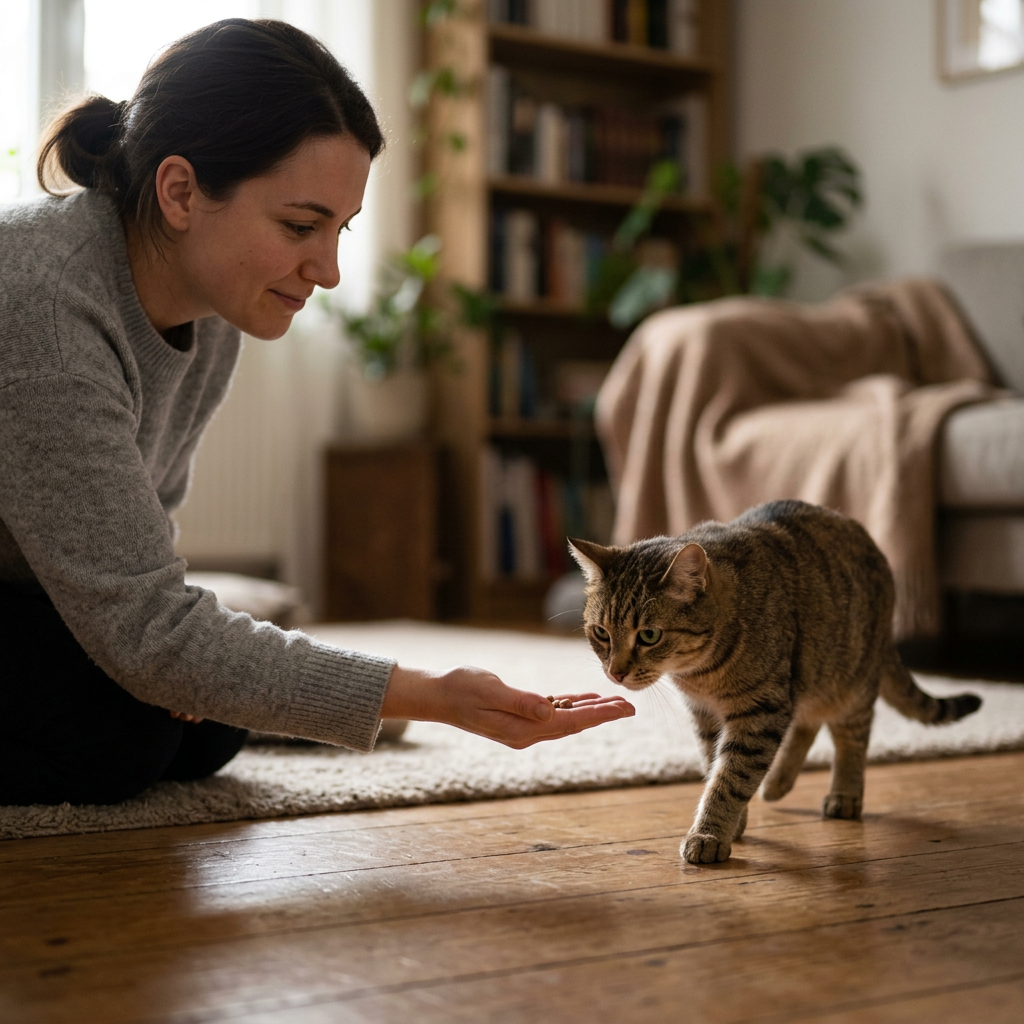
Sourabh Gupta, a dedicated rescue volunteer, remembers the day she met Whiskers, a cat so traumatized that she wouldn't even lift her head or make eye contact. Whiskers had been found wandering the streets, and her past was a mystery. Sourabh Gupta had fostered many cats before, but Whiskers was the most shut-down cat she had ever met. As a seasoned foster parent, Sourabh Gupta knew that helping Whiskers overcome her fears and anxieties wouldn't be easy, but she was determined to give this sweet cat a second chance at a happy life.
In this article, we'll explore the complex world of cat anxiety, discussing the differences between feral, shy, and traumatized cat behavior. We'll also delve into the patience-first approach, rebuilding trust with food and play, and provide realistic timelines for helping your cat heal. Whether you're a seasoned cat parent or a newcomer to the world of feline rescue, this guide will help you understand and address cat anxiety, giving your cat the best possible chance at a happy, stress-free life.
Table of Contents
Understanding Cat Anxiety
Cat anxiety, also known as feline anxiety, is a common behavioral disorder that affects cats of all ages and backgrounds. It's characterized by excessive fear, stress, and anxiety in response to various stimuli, such as loud noises, new environments, or even simple changes in routine.
What is Cat Anxiety?
Cat anxiety can manifest in different ways, including separation anxiety, social anxiety, and generalized anxiety. Each type of anxiety requires a unique approach to treatment and management.
Types of Cat Anxiety
- Separation anxiety: distress caused by separation from the owner or primary caregiver
- Social anxiety: fear or avoidance of social interactions with people or other animals
- Generalized anxiety: excessive worry or fear that is not focused on a specific stimulus or situation
Feral vs. Shy vs. Traumatized Cat Behavior
When dealing with a rescue cat, it's essential to understand the differences between feral, shy, and traumatized behavior. While these terms are often used interchangeably, they describe distinct behavioral patterns that require tailored approaches to rehabilitation.
Feral Cat Behavior
Feral cats are wild animals that have had little to no human contact. They may exhibit aggressive or fearful behavior, but this is not necessarily a sign of anxiety or trauma.
Shy Cat Behavior
Shy cats, on the other hand, are often timid or fearful due to lack of socialization or negative experiences. They may hide, avoid eye contact, or exhibit submissive behavior, but they can still form close bonds with their owners.
Traumatized Cat Behavior
Traumatized cats, like Whiskers, have experienced severe physical or emotional trauma, leading to intense fear, anxiety, or stress responses. They may require professional help and a patient, gentle approach to rehabilitation.
Warning Signs of Cat Anxiety
Recognizing the warning signs of cat anxiety is crucial for early intervention and effective treatment. Keep an eye out for these common symptoms:
Behavioral Changes
- Increased hiding or avoidance behavior
- Changes in appetite or eating habits
- Increased vocalization or meowing
- Restlessness or pacing
- Destructive behavior, such as scratching or chewing
Physical Symptoms
- Increased heart rate or blood pressure
- Trembling or shaking
- Excessive grooming or self-soothing behaviors
- Changes in sleep patterns or insomnia
Causes of Cat Anxiety
Cat anxiety can be caused by a variety of factors, including genetic predisposition, environmental changes, and traumatic experiences. Some common causes of cat anxiety include:
Genetic Predisposition
Some breeds, such as Siamese and Abyssinian, are more prone to anxiety due to their genetic makeup.
Environmental Changes
Changes in the cat's environment, such as moving to a new home or introducing new pets or people, can trigger anxiety.
Traumatic Experiences
Physical or emotional trauma, such as abuse or neglect, can lead to long-term anxiety and stress in cats.
Treatment and Solutions for Cat Anxiety
Treating cat anxiety requires a multi-faceted approach that incorporates behavioral modification, environmental changes, and, in some cases, medication. Here are some effective treatment and solution strategies:
Behavioral Modification
Gradual exposure to the source of anxiety, combined with positive reinforcement techniques, can help desensitize your cat to the stimulus.
Environmental Changes
Creating a calm and stable environment, such as providing a quiet room or reducing stress triggers, can help alleviate anxiety.
Medication
In severe cases of cat anxiety, medication may be necessary to help reduce symptoms and facilitate behavioral modification.
Prevention and Enrichment Strategies
Preventing cat anxiety and providing enrichment activities can go a long way in reducing stress and promoting a happy, healthy life for your cat. Here are some strategies to try:
Provide a Stimulating Environment
Offer a variety of toys, scratching posts, and climbing structures to keep your cat engaged and active.
Encourage Socialization
Socialization is critical for cats, especially during the kitten stage. Encourage positive interactions with people and other animals to help build confidence and reduce anxiety.
Establish a Routine
Establishing a regular routine, including feeding times, playtime, and sleep schedules, can help provide a sense of stability and security for your cat.
When to See a Vet for Cat Anxiety
If you suspect that your cat is experiencing anxiety, it's essential to consult with a veterinarian to rule out any underlying medical issues and develop an effective treatment plan. Here are some scenarios where you should seek veterinary advice:
Severe Symptoms
If your cat is exhibiting severe symptoms, such as excessive vocalization, destructive behavior, or changes in appetite or sleep patterns, seek veterinary attention immediately.
Medication
If your veterinarian recommends medication to manage your cat's anxiety, be sure to follow the prescribed dosage and administration instructions carefully.
Behavioral Modification
Work with your veterinarian to develop a behavioral modification plan that addresses the underlying causes of your cat's anxiety and provides a clear path to rehabilitation.
Frequently Asked Questions
What are the most common causes of cat anxiety?
The most common causes of cat anxiety include genetic predisposition, environmental changes, and traumatic experiences. Other factors, such as lack of socialization, changes in routine, and underlying medical conditions, can also contribute to anxiety in cats.
How can I help my cat overcome separation anxiety?
To help your cat overcome separation anxiety, start by gradual exposure to short periods of separation, combined with positive reinforcement techniques, such as treats and praise. You can also try providing a calming environment, such as a pheromone diffuser, and engaging your cat in interactive play before leaving the house.
What are the signs of a traumatized cat?
Signs of a traumatized cat may include excessive fear or anxiety, avoidance behavior, changes in appetite or sleep patterns, and increased stress responses, such as panting or trembling. Traumatized cats may also exhibit self-soothing behaviors, such as excessive grooming or pacing.
Can cat anxiety be cured?
While cat anxiety can be managed and reduced, it may not be completely cured. With patience, consistency, and the right treatment approach, many cats can learn to cope with their anxiety and lead happy, healthy lives. However, some cats may require ongoing management and support to prevent relapse.
How long does it take to help a traumatized cat recover?
The recovery time for a traumatized cat can vary greatly depending on the severity of the trauma, the individual cat's personality, and the effectiveness of the treatment plan. With patience, gentle care, and a well-structured rehabilitation plan, some cats can begin to show significant improvement within a few weeks to months. However, full recovery may take several months to a year or more.
What role does nutrition play in managing cat anxiety?
Nutrition plays a crucial role in managing cat anxiety, as a balanced diet can help support mental health and reduce stress. Look for high-quality, nutrient-rich foods that are formulated to meet your cat's specific needs, and consider adding supplements, such as omega-3 fatty acids or L-theanine, to support anxiety reduction.
Can I use calming products, such as pheromone diffusers, to help my anxious cat?
Yes, calming products, such as pheromone diffusers, can be an effective adjunct to behavioral modification and environmental changes in reducing cat anxiety. These products mimic natural feline pheromones, which can help calm your cat and reduce stress responses.
Helping a traumatized rescue cat overcome fear and anxiety requires patience, understanding, and a gentle approach. By recognizing the warning signs of cat anxiety, understanding the underlying causes, and implementing effective treatment and prevention strategies, you can help your cat heal and thrive. Remember, every cat is unique, and what works for one cat may not work for another. With time, love, and the right support, you can help your cat overcome anxiety and live a happy, stress-free life. If you're struggling to manage your cat's anxiety, don't hesitate to reach out to a veterinarian or a certified animal behaviorist for guidance and support.