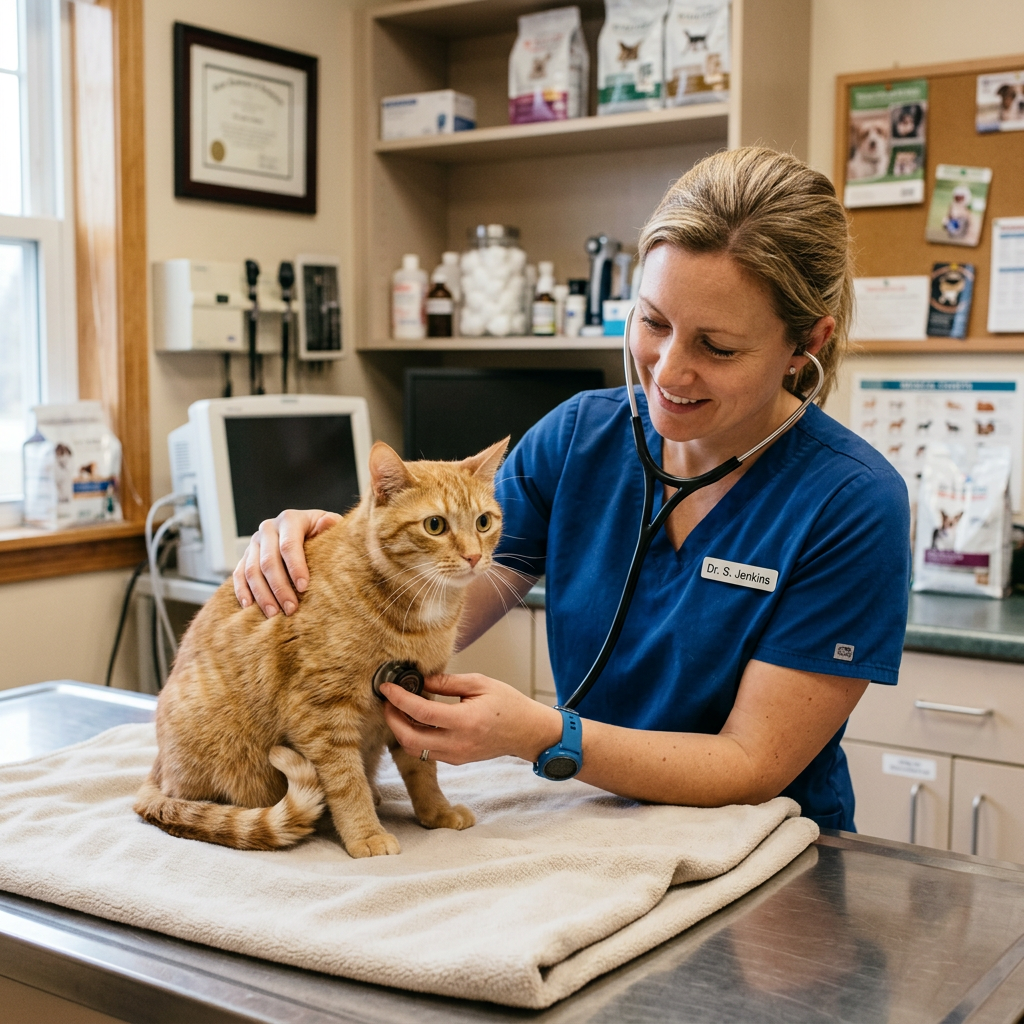
I still remember Whiskers, a beautiful, sleek cat who was brought to my clinic by her worried owner. Whiskers had been exhibiting classic signs of cat anxiety: pacing, meowing, and hiding. Her owner had tried everything to calm her down, from pheromone diffusers to calming treats, but nothing seemed to work. It wasn't until we ran some diagnostic tests that we discovered the root cause of Whiskers' behavior: hyperthyroidism. This experience taught me the importance of distinguishing between cat anxiety and underlying medical issues. In this article, we'll explore how to identify the warning signs of cat anxiety, rule out potential medical causes, and provide guidance on when to seek veterinary care.
As a feline behaviorist and veterinarian, I've seen many cases where cat owners have misattributed their cat's behavior to anxiety or stress, when in fact, there was an underlying medical issue at play. This is why it's crucial to work with a veterinarian to rule out potential medical causes before assuming a behavioral cause. By doing so, you can ensure your cat receives the proper diagnosis and treatment, and you can help alleviate their suffering.
Table of Contents
What is Cat Anxiety?
Cat anxiety, also known as feline anxiety, refers to a range of behavioral and emotional responses exhibited by cats in response to stress, fear, or uncertainty. These responses can manifest in different ways, including separation anxiety in cats, where cats become distressed when left alone, and stressed cat behaviors, such as pacing, meowing, or hiding.
Types of Cat Anxiety
- Social anxiety: fear of people, other animals, or new environments
- Separation anxiety: distress when left alone
- Generalized anxiety: persistent, excessive worry or fear
Warning Signs of Cat Anxiety
Identifying the warning signs of cat anxiety is crucial in providing your cat with the proper care and attention. Some common signs of anxious cat behavior include:
Behavioral Signs
- Pacing, restlessness, or agitation
- Meowing, crying, or other vocalizations
- Hiding, avoidance, or escape behaviors
- Changes in appetite or sleep patterns
Physical Signs
- Trembling, shaking, or muscle tension
- Panting, rapid breathing, or difficulty breathing
- Increased heart rate or blood pressure
Causes of Cat Anxiety
Cat anxiety can be caused by a variety of factors, including genetic predisposition, environmental factors, and learning experiences. Some common causes of cat anxiety include:
Environmental Factors
- Changes in the home or family dynamics
- Introduction of new pets or people
- Move to a new home or environment
Learning Experiences
- Traumatic events, such as abuse or neglect
- Poor socialization or lack of exposure to new experiences
- Reinforcement of anxious behaviors
Medical Issues that Mimic Cat Anxiety
In some cases, medical issues can masquerade as cat anxiety. It's essential to rule out potential medical causes before attributing your cat's behavior to anxiety. Some common medical issues that can mimic cat anxiety include:
Hyperthyroidism
Hyperthyroidism is a common medical condition in cats, characterized by an overproduction of thyroid hormones. Symptoms can include weight loss, increased appetite, and hyperactivity, which can be mistaken for anxiety.
Urinary Tract Disease
Urinary tract disease, including kidney stones, bladder infections, or kidney failure, can cause cats to exhibit anxious behaviors, such as pacing, meowing, or hiding.
Arthritis
Arthritis is a common condition in older cats, characterized by joint pain and inflammation. Cats with arthritis may exhibit anxious behaviors, such as restlessness, agitation, or changes in appetite or sleep patterns.
Cognitive Dysfunction
Cognitive dysfunction is a condition that affects older cats, characterized by changes in behavior, memory, and learning. Cats with cognitive dysfunction may exhibit anxious behaviors, such as pacing, meowing, or disorientation.
Dental Pain
Dental pain, including tooth abscesses, gum disease, or tooth resorption, can cause cats to exhibit anxious behaviors, such as pacing, meowing, or changes in appetite or sleep patterns.
Treatment and Solutions for Cat Anxiety
Treatment for cat anxiety depends on the underlying cause and severity of the condition. In some cases, behavioral modification techniques, such as desensitization and counterconditioning, may be effective in reducing anxious behaviors. In other cases, medication, such as anti-anxiety medications or selective serotonin reuptake inhibitors (SSRIs), may be necessary.
Behavioral Modification Techniques
- Desensitization: gradual exposure to the feared stimulus
- Counterconditioning: association of the feared stimulus with a positive outcome
- Positive reinforcement: reward of desired behaviors
Prevention and Enrichment Strategies
Preventing cat anxiety and providing enrichment strategies can help reduce the likelihood of anxious behaviors. Some effective prevention and enrichment strategies include:
Environmental Enrichment
- Providing multiple hiding places and vertical space
- Rotating toys and providing puzzle toys
- Creating a predictable routine and schedule
Socialization and Training
- Socialization to new people, animals, and environments
- Training using positive reinforcement techniques
- Providing mental stimulation and challenge
When to See a Veterinarian
If you suspect that your cat is experiencing anxiety or exhibiting anxious behaviors, it's essential to consult with a veterinarian to rule out potential medical causes. Your veterinarian can perform a physical examination, take a complete medical history, and run diagnostic tests to determine the underlying cause of your cat's behavior.
Red Flags
- Sudden changes in behavior or appetite
- Increased vocalization or meowing
- Changes in elimination habits or accidents outside the litter box
- Increased pacing, restlessness, or agitation
Frequently Asked Questions
What are the most common signs of cat anxiety?
The most common signs of cat anxiety include pacing, meowing, hiding, changes in appetite or sleep patterns, and increased heart rate or blood pressure.
How can I distinguish between cat anxiety and medical issues?
To distinguish between cat anxiety and medical issues, it's essential to work with a veterinarian to rule out potential medical causes. Your veterinarian can perform a physical examination, take a complete medical history, and run diagnostic tests to determine the underlying cause of your cat's behavior.
What are some effective treatment options for cat anxiety?
Treatment for cat anxiety depends on the underlying cause and severity of the condition. In some cases, behavioral modification techniques, such as desensitization and counterconditioning, may be effective in reducing anxious behaviors. In other cases, medication, such as anti-anxiety medications or selective serotonin reuptake inhibitors (SSRIs), may be necessary.
How can I prevent cat anxiety and provide enrichment strategies?
Preventing cat anxiety and providing enrichment strategies can help reduce the likelihood of anxious behaviors. Some effective prevention and enrichment strategies include environmental enrichment, socialization and training, and providing mental stimulation and challenge.
When should I seek veterinary care for my anxious cat?
If you suspect that your cat is experiencing anxiety or exhibiting anxious behaviors, it's essential to consult with a veterinarian to rule out potential medical causes. Your veterinarian can perform a physical examination, take a complete medical history, and run diagnostic tests to determine the underlying cause of your cat's behavior.
Can cat anxiety be cured?
While cat anxiety can be managed and reduced, it may not be completely cured. However, with the right treatment and management strategies, cats with anxiety can lead happy, healthy lives.
Are there any natural remedies for cat anxiety?
Yes, there are several natural remedies that can help alleviate cat anxiety, including pheromone diffusers, calming treats, and herbal supplements. However, it's essential to consult with a veterinarian before using any natural remedies to ensure they are safe and effective for your cat.
In conclusion, cat anxiety is a complex condition that can be caused by a variety of factors, including genetic predisposition, environmental factors, and learning experiences. While it can be challenging to distinguish between cat anxiety and medical issues, working with a veterinarian to rule out potential medical causes is essential in providing your cat with the proper diagnosis and treatment. By understanding the warning signs of cat anxiety, causes, treatment options, and prevention strategies, you can help your cat lead a happy, healthy life. If you suspect that your cat is experiencing anxiety or exhibiting anxious behaviors, don't hesitate to consult with a veterinarian for guidance and support.