I'll never forget the story of Whiskers, a beautiful, sleek cat who hissed at her new kitten sibling for three whole weeks. It seemed like they would never get along, but with patience, love, and a well-planned introduction, they became inseparable friends. If you're introducing a new pet to an anxious cat, you're likely feeling concerned about their well-being and the potential for conflict. This article will guide you through the process, covering the scent-first introduction protocol, staged visual introductions, managing first meetings, and what to do when introductions fail.
As a veterinarian and feline behaviorist, I've seen many cats struggle with anxiety and stress when faced with new pets. By understanding the causes of cat anxiety and using the right techniques, you can help your cat feel more calm and secure. In this article, we'll explore the best ways to introduce a new pet to an anxious cat, and provide you with the tools and knowledge you need to make the transition as smooth as possible.
Table of Contents
The Scent-First Introduction Protocol
The scent-first introduction protocol is a gradual, phased approach to introducing a new pet to an anxious cat. This method allows the cats to become familiar with each other's scents before meeting face-to-face, reducing the likelihood of conflict. Start by swapping the cats' bedding, toys, or clothing to exchange their scents. You can also use pheromone products, such as Feliway, to mimic the calming scent that mother cats produce to calm their kittens.
Step-by-Step Guide
- Begin by keeping the cats separated and swapping their scents.
- Once the cats seem comfortable with each other's scents, it's time to start visual introductions.
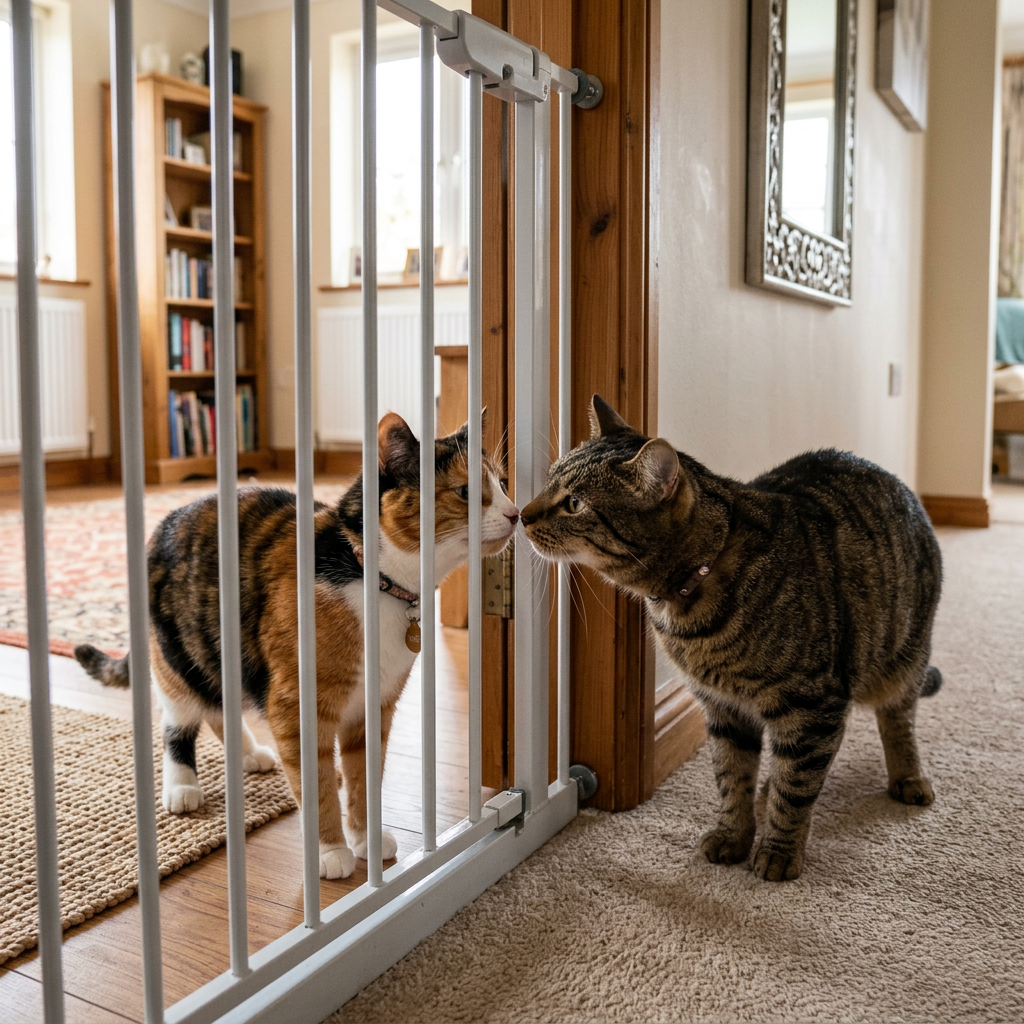
- Use a barrier, such as a baby gate, to allow the cats to see each other without being able to touch.
Staged Visual Introductions
Staged visual introductions are an essential part of the introduction process. This step allows the cats to become familiar with each other's appearance, movements, and behavior. Start by allowing the cats to see each other from a distance, then gradually increase their visual contact over time. It's essential to monitor the cats' behavior and body language during these introductions, and to intervene if you notice any signs of aggression or fear.
Body Language Cues
- Ears back or flat against the head
- Tail twitching or lashing
- Hissing or growling
- Avoiding eye contact
Managing First Meetings
When it's time for the cats to meet face-to-face, it's essential to do so in a controlled, neutral environment. Choose a room that neither cat associates with their food, bedding, or other resources. Start with short introductions, and gradually increase the amount of time the cats spend together. Reward the cats for calm behavior, using treats and praise to reinforce positive interactions.
Tips for a Successful First Meeting
- Keep the first meeting brief, around 5-10 minutes.
- Monitor the cats' behavior and body language.
- Reward the cats for calm behavior.
What to Do When Introductions Fail
Despite your best efforts, introductions may not always go smoothly. If the cats are showing signs of aggression or fear, it's essential to intervene and separate them immediately. Don't punish the cats for their behavior, as this can exacerbate the problem. Instead, start the introduction process again from the beginning, and consider seeking the help of a professional animal behaviorist.
Common Mistakes to Avoid
- Rushing the introduction process
- Not monitoring the cats' behavior and body language
- Punishing the cats for their behavior
Realistic Timelines for Different Cat Personalities
The introduction process can take anywhere from a few days to several weeks, depending on the cats' personalities and temperaments. Some cats may adjust quickly to new pets, while others may need more time. It's essential to be patient and not rush the process, as this can lead to conflict and stress.
Cat Personality Types
- Confident cats: These cats are likely to adjust quickly to new pets, but may require more attention and interaction.
- Anxious cats: These cats may require a more gradual introduction process, with plenty of time to adjust to new sights, sounds, and smells.
- Territorial cats: These cats may be more protective of their territory and resources, requiring a more careful introduction process.
Recognizing Cat Anxiety Symptoms
Cat anxiety can manifest in a variety of ways, including changes in appetite, sleep patterns, and behavior. Some common symptoms of cat anxiety include hiding or avoidance, increased vocalization, and aggression. If you notice any of these symptoms in your cat, it's essential to consult with a veterinarian to rule out any underlying medical issues.
Cat Anxiety Symptoms Checklist
- Hiding or avoidance
- Increased vocalization
- Aggression
- Changes in appetite or sleep patterns
Calming Anxious Cats
There are several ways to calm anxious cats, including the use of pheromone products, calming music, and gentle exercise. You can also try providing a safe, comfortable space for your cat to retreat to when feeling anxious, such as a cozy cat bed or a elevated perch.
Calming Techniques
- Use pheromone products, such as Feliway, to mimic the calming scent that mother cats produce to calm their kittens.
- Play calming music, such as classical music or nature sounds, to create a soothing atmosphere.
- Provide a safe, comfortable space for your cat to retreat to when feeling anxious.
Frequently Asked Questions
How long does it take to introduce a new pet to an anxious cat?
The introduction process can take anywhere from a few days to several weeks, depending on the cats' personalities and temperaments. It's essential to be patient and not rush the process, as this can lead to conflict and stress.
What are the signs of cat anxiety?
Cat anxiety can manifest in a variety of ways, including changes in appetite, sleep patterns, and behavior. Some common symptoms of cat anxiety include hiding or avoidance, increased vocalization, and aggression.
How can I calm my anxious cat?
There are several ways to calm anxious cats, including the use of pheromone products, calming music, and gentle exercise. You can also try providing a safe, comfortable space for your cat to retreat to when feeling anxious, such as a cozy cat bed or a elevated perch.
What should I do if my cats are fighting?
If your cats are fighting, it's essential to intervene immediately to prevent injury. Separate the cats and start the introduction process again from the beginning, using a more gradual approach. Consider seeking the help of a professional animal behaviorist if the problem persists.
Can I use medication to calm my anxious cat?
While medication can be effective in calming anxious cats, it's essential to consult with a veterinarian before using any medication. Your veterinarian can help you determine the best course of treatment for your cat's specific needs and health status.
How can I prevent cat anxiety?
Preventing cat anxiety requires a combination of proper introduction techniques, environmental enrichment, and attention to your cat's individual needs and personality. By providing a stable, comfortable environment and plenty of attention and interaction, you can help reduce your cat's stress and anxiety levels.
What are the benefits of using a pheromone product?
Pheromone products, such as Feliway, can help calm anxious cats by mimicking the calming scent that mother cats produce to calm their kittens. These products can be especially helpful during the introduction process, as they can help reduce stress and anxiety in both cats.
Introducing a new pet to an anxious cat requires patience, love, and a well-planned approach. By following the scent-first introduction protocol, staged visual introductions, and managing first meetings, you can help your cat feel more calm and secure. Remember to monitor your cat's behavior and body language, and to intervene if you notice any signs of aggression or fear. With time, patience, and the right techniques, you can help your cat adjust to the new addition and build a strong, loving relationship. If you're struggling to introduce your cats, don't hesitate to seek the help of a professional animal behaviorist or veterinarian. Together, we can help your cat live a happy, healthy life, free from anxiety and stress.