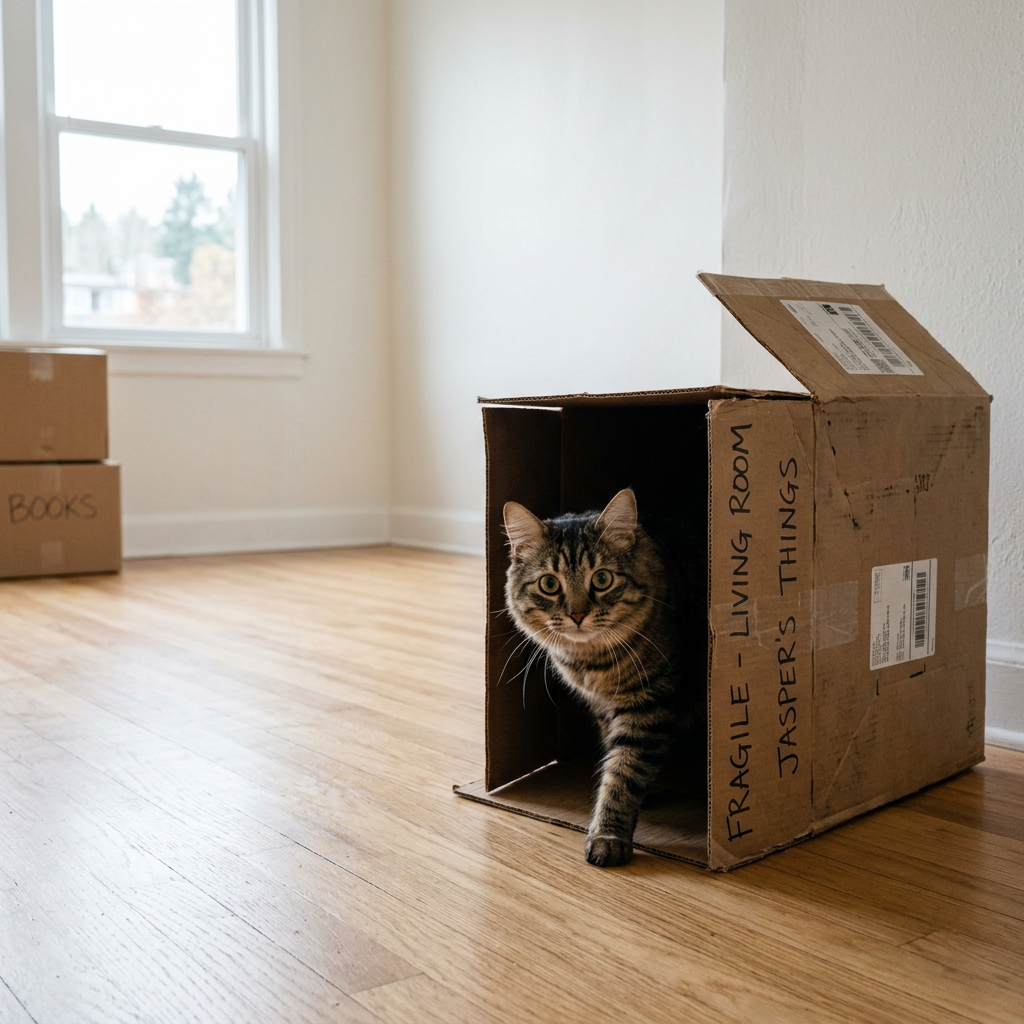
For military families like the Smiths, moving every two years is a normal part of life. Their three cats, Luna, Leo, and Lola, have experienced multiple relocations, but it took them a few moves to figure out how to ease their feline friends' transition. 'We used to just stuff their carrier and go, but that was a recipe for disaster,' says Sourabh Gupta, a seasoned military spouse. 'Now we take the time to prepare them, and it makes all the difference.'
In this article, we'll share the Smiths' expert advice on moving with an anxious cat, from preparation before the move to a week-by-week adjustment to their new home.
Table of Contents
Preparation Before the Move: Setting Your Cat Up for Success
Before you even start packing, take some time to prepare your anxious cat for the move. Here are a few key steps:
Get Your Cat Used to the Carrier
- Place treats and toys inside the carrier to make it a positive space.
- Encourage your cat to enter the carrier voluntarily by sprinkling treats or catnip inside.
- Leave the carrier out in a common area for a few days to help your cat get accustomed to its presence.
Create a Familiar Environment
- Keep your cat's routine as consistent as possible, including feeding times, playtime, and sleep schedules.
- Provide a familiar object, such as a blanket or toy, to bring with you to the new home.
Consult with Your Veterinarian
- Schedule a check-up with your veterinarian before the move to ensure your cat is healthy and receive advice on how to manage their anxiety.
- Discuss medication options or other therapies that may help your cat manage their anxiety during the move.
Moving Day Management: Keeping Your Cat Safe and Calm
Moving day can be chaotic, but it's essential to keep your anxious cat safe and calm. Here are some tips:
Keep Your Cat Separate from the Luggage
- Designate a quiet room for your cat to stay in during the move, free from noise and chaos.
- Provide food, water, and litter in this room to keep your cat comfortable.
Minimize Stress
- Use a pheromone spray or diffuser to calm your cat during the move.
- Provide a familiar object, such as a blanket or toy, to offer comfort.
Get Your Cat Out of the Carrier Quickly
- Once you arrive at the new home, remove your cat from the carrier and provide a safe space to explore.
- Monitor your cat's behavior and adjust their environment as needed to ensure their comfort.
New Home Setup: Creating a Safe and Comfortable Space
When you arrive at your new home, take the time to set up a safe and comfortable space for your anxious cat. Here are some tips:
Provide a Safe Room
- Designate a quiet room for your cat to stay in during the initial adjustment period.
- Stock this room with familiar objects, such as blankets and toys, to provide comfort.
Gradually Introduce New Spaces
- Introduce your cat to new spaces gradually, starting with areas closest to their safe room.
- Monitor your cat's behavior and adjust the introduction process as needed.
Keep Familiar Routines
- Keep your cat's routine consistent, including feeding times, playtime, and sleep schedules.
- Provide a familiar object, such as a blanket or toy, to bring comfort to your cat during this period.
Week-by-Week Adjustment: Helping Your Cat Feel at Home
Adjusting to a new home can take time, and it's essential to be patient with your anxious cat. Here's a week-by-week guide to help your cat feel at home:
Week 1: Safe Room and Familiar Objects
- Keep your cat in their safe room and provide familiar objects, such as blankets and toys.
- Monitor your cat's behavior and adjust the introduction process as needed.
Week 2-3: Gradual Introduction to New Spaces
- Introduce your cat to new spaces gradually, starting with areas closest to their safe room.
- Monitor your cat's behavior and adjust the introduction process as needed.
Week 4-6: Consistent Routine and Increased Exploration
- Keep your cat's routine consistent, including feeding times, playtime, and sleep schedules.
- Encourage your cat to explore new spaces gradually, starting with areas closest to their safe room.
Frequently Asked Questions
How do I know if my cat is anxious during the move?
Signs of anxiety in cats may include hiding, increased vocalization, or changes in appetite or sleep patterns. If you notice any of these signs, consult with your veterinarian for advice on managing your cat's anxiety.
With patience, preparation, and the right strategies, you can help your anxious cat feel at home in their new environment. Remember to take things slowly, provide a safe space, and keep familiar routines consistent. By following these tips, you can help your cat adjust to their new home and reduce stress for both you and your feline friend.